Sturgeon Says She’s Bearing the Brunt of a Crime She Didn’t Commit
Exclusive Interview Highlights Emotional Toll of Scandal
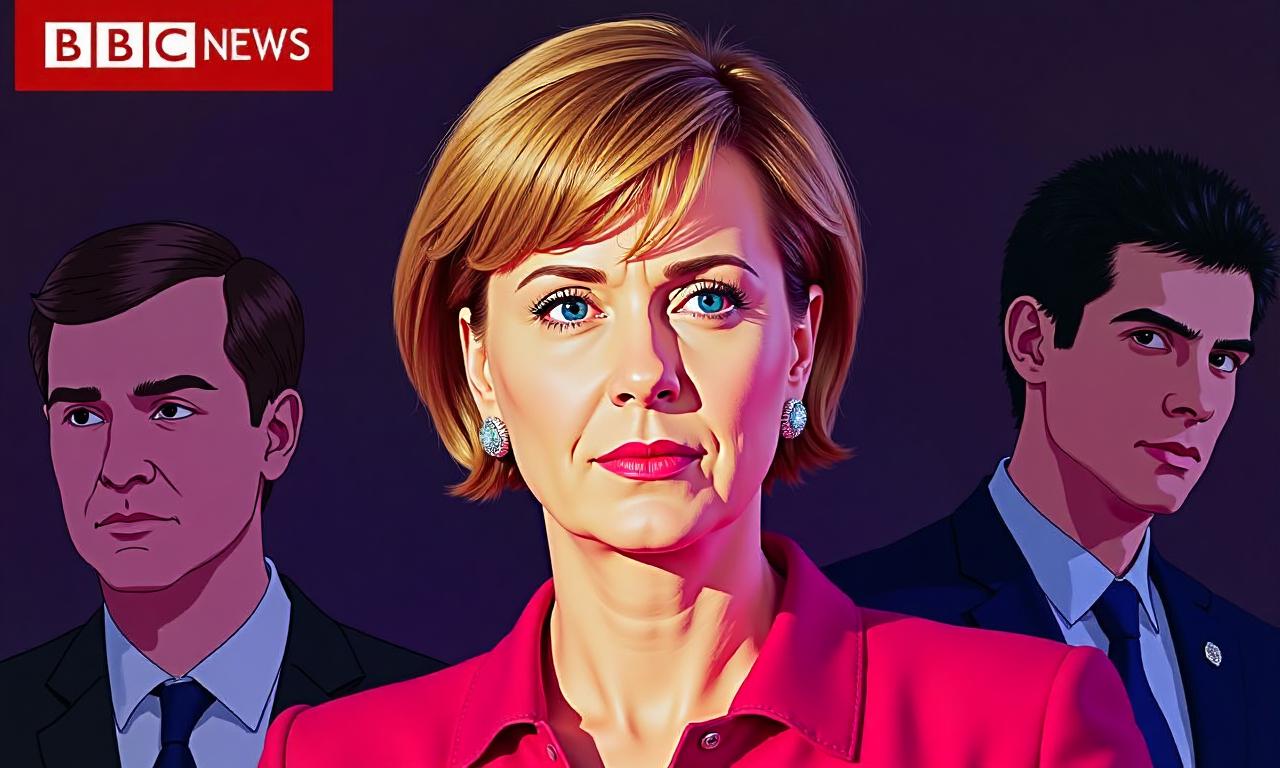
Samael.lol – Nicola Sturgeon, the former First Minister of Scotland, expressed her feelings of being unfairly targeted during an exclusive BBC interview with Laura Kuenssberg. She described the situation as akin to “serving a sentence for a crime I did not commit,” following her estranged husband Peter Murrell’s admission of embezzling £400,000 from the Scottish National Party (SNP). The scandal has sparked significant public scrutiny, with Sturgeon maintaining her stance that she is not to blame for the financial misconduct attributed to Murrell.
The former leader of the SNP, who held the position from 2014 until 2023, insisted during the interview that she has consistently denied any awareness of Murrell’s actions. These activities, which spanned over a decade, involved the misuse of party funds. Sturgeon’s refusal to apologize for the scandal reflects her determination to distance herself from the accusations, even as she acknowledges the emotional weight of the situation.
“I am not responsible for the crimes that my former husband committed and I’m not going to apologize for somebody else’s crimes,” Sturgeon stated, emphasizing her belief in personal accountability.
The interview, which aired on Sunday, revealed Sturgeon’s personal connection to the scandal. She recounted receiving gifts from Murrell, including a luxury motorhome and a necklace, which were later discovered to have been funded with stolen money. Despite her role as party leader, she argued that she should not bear the blame for these transactions, which were part of a broader pattern of financial deception.
The largest single transaction made by Murrell was £124,550 for the motorhome, which was stored at his mother’s residence. Sturgeon recalled that she had no conscious memory of seeing the vehicle, describing it as being “round the sides of the house which is not immediately visible in the way that we went into the home.” She further noted that the motorhome was positioned “between their house and the next door neighbour’s,” and that she would likely have assumed it belonged to someone else if she had noticed it.
Sturgeon’s emotional response during the interview was particularly poignant when discussing the necklace, which she had worn frequently in public. The gift, costing more than £400, was presented to her during a visit to a Shetland jewelry shop. She detailed the moment she received it, explaining how her husband surprised her with the pendant after she expressed admiration for it during the tour. The sentimental value of the item added to her sense of betrayal, as the funds used to purchase it were taken from the SNP’s coffers.
“I loved that necklace and I wore it a lot. The idea that I would have gone about wearing things that I had known were anything other than what they were presented as, a gift from my husband… to then find out that these were gifts given to me that he’d bought with the party’s money causes a level of, I don’t know, pain, bewilderment,” Sturgeon reflected.
Sturgeon’s perspective has drawn both support and skepticism. While she has consistently maintained that she was unaware of her husband’s actions, some critics argue that her leadership role in overseeing the party’s finances implies shared responsibility. The former First Minister defended her position, asserting that she has always taken accountability for her own decisions but not for those made by Murrell. She highlighted the importance of individual responsibility, stating that she is “sitting here with you right now, answering questions because I believe strongly in that accountability.”
The scandal has also raised questions about the transparency and oversight within the SNP. Murrell, who served as the party’s chief executive for over 20 years, resigned in March 2023 amid controversy over membership figures. His arrest less than three weeks later was part of the Operation Branchform investigation, which focused on the misappropriation of SNP funds. Despite the investigation, Sturgeon remains uncharged, though she has been a focal point of public debate.
UK government minister Pat McFadden voiced concern over the handling of the situation, warning against the development of a “culture of control and secrecy that just tries to shut this down.” This statement underscores the growing calls for thorough examination of the party’s financial practices and the need for accountability across all levels of leadership.
Sturgeon’s interview provided insight into the personal and professional consequences of the scandal. She expressed frustration with the way she is perceived, particularly by women who may face similar blame for their partners’ actions. “For my own sake, but for the sake of people out there, a lot of women who end up finding themselves blamed for the actions of the men in their lives, I’m not going to contribute to that kind of sense that I am responsible for somebody else’s crimes,” she said, reinforcing her commitment to maintaining her integrity.
The emotional impact of the scandal on Sturgeon has been evident. Her voice wavered as she spoke about the necklace, a symbol of her husband’s deceit. She admitted to feeling “pain, bewilderment” upon learning that the item was purchased with party funds. “I don’t know, I just… I’m not sure. I’m going to try. I am just not sure I will ever properly come to terms with that,” she confessed, highlighting the deep personal stakes involved.
The controversy surrounding Murrell’s actions has also prompted discussions about the SNP’s internal controls. As party leader, Sturgeon shared the responsibility of monitoring accounts, yet she insists that her focus was on her role as a public figure. The investigation into the embezzlement has been ongoing since 2010, with Murrell’s schemes continuing until 2022. His resignation and subsequent arrest mark the culmination of years of financial misconduct.
Sturgeon’s comments resonate with a broader narrative of trust and betrayal. She described the situation as one where she was “deceived, betrayed and lied to” by her husband, a sentiment echoed in her interview. The public’s reaction has been mixed, with some demanding further scrutiny and others believing that Sturgeon has already done enough to address the issue. Her refusal to apologize underscores her belief in the importance of distinguishing between personal and professional accountability.
As the debate continues, Sturgeon’s stance serves as a reminder of the complexities of leadership and the challenges of defending one’s reputation in the face of financial allegations. The former First Minister’s emotional resilience and commitment to transparency highlight both the personal toll and the political implications of the scandal. Her interview has not only shed light on the specifics of the embezzlement but also on the broader question of how leaders are held accountable for the actions of those under their supervision.