UK Health Experts Urge Free Meningitis B Vaccine for All Teenagers at Age 15
A Major Shift in National Immunisation Strategy
Samael.lol – British medical authorities have fundamentally altered their guidance regarding teenage immunisation, now recommending that every adolescent receive complimentary protection against meningitis B starting at approximately fifteen years of age. This represents a notable departure from earlier recommendations that had previously deemed such widespread vaccination unnecessary for this demographic. The revised position emerges following heightened awareness of how susceptible teenagers are to contracting the illness and experiencing severe symptoms.
The catalyst for this policy evolution was a substantial outbreak that unfolded in Kent during the current year, marking the most extensive and rapidly expanding meningitis episode recorded in the United Kingdom. Tragically, the Kent incident claimed two lives while affecting twenty-nine individuals through confirmed or suspected cases. In response to this crisis, parents urgently sought out pharmacies to purchase the MenB vaccine privately for their children, demonstrating considerable concern about their teenagers’ wellbeing.
Immediate Protective Measures Already Underway
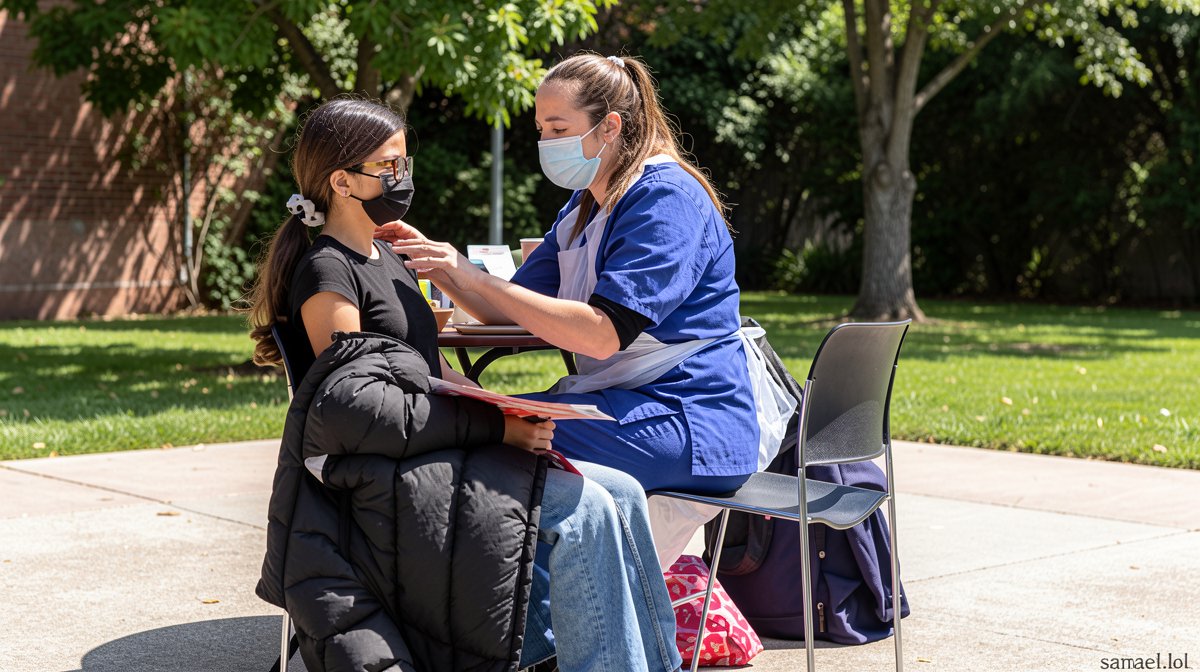
As a precautionary response to the Kent situation, a temporary vaccination initiative has commenced across the nation this summer, targeting young people preparing to begin their university education for the first time. Pharmacies throughout the country are currently providing complimentary MenB injections to these students, aiming to shield those most vulnerable and potentially averting a recurrence of the Kent tragedy. This interim campaign addresses an identified gap in the national immunisation framework, particularly for individuals aged eleven and above who missed the routine baby vaccination programme.
Medical advisers have formally requested that government officials evaluate implementing routine MenB vaccinations for secondary school-aged children on a permanent basis. Such an expansion would provide enhanced protection against a condition capable of proving fatal. The Department of Health and Social Care has acknowledged the recommendation, stating they will review the proposal and announce any modifications to the national programme appropriately.
“Invasive meningococcal disease is a rare but very serious illness, which can have a devastating impact on lives. JCVI has worked closely with meningitis charities and would like to thank all those who responded, including on behalf of loved ones who sadly died or had life-changing complications. Their lived experiences were carefully considered.”
Ultimately, the decision regarding financial viability and implementation methodology rests with ministers across the four nations of the United Kingdom. Should the recommendation gain approval, recipients would not face any charges for the vaccination. Those who previously received the MenB jab as infants would require only a single booster dose during their teenage years rather than the standard two-dose regimen.
Understanding Meningitis B and Its Transmission
Meningitis B poses significant health threats, potentially triggering life-threatening complications including inflammation of the brain’s protective lining and blood poisoning. The infection can result in permanent disabilities such as limb amputations, hearing impairment, and cognitive damage, with mortality possible in certain cases. Transmission occurs through intimate contact, encompassing activities like kissing and sharing vaping devices.
Professor Wei Shen Lim, who leads the Joint Committee on Vaccination and Immunisation advisory panel, emphasised the importance of this updated guidance. The committee has collaborated extensively with organisations supporting meningitis patients and acknowledged the valuable input from families affected by the disease.
“Today’s recommendation is an important step towards ensuring that far more young people are protected from this devastating disease.”
Dr Tom Nutt, who directs the Meningitis Now campaign, characterised the announcement as a pivotal development in combating the illness. He noted that this recommendation represents meaningful progress toward safeguarding a larger population of young individuals against the potentially catastrophic consequences of MenB infection.
Historical Context and Future Implications
Currently, all infants born on or after July 1, 2015, receive the MenB vaccine as part of the NHS childhood immunisation schedule. This programme was established because babies face higher susceptibility to invasive infections compared to other age groups, and their developing immune systems are less equipped to combat these pathogens effectively. However, this coverage left a notable void for teenagers and young adults over eleven years old who had not received this protective injection.
The JCVI’s updated position draws upon recent scientific evidence demonstrating that teenagers’ socially active lifestyles significantly elevate their risk of exposure. The committee’s recommendation reverses its prior assessment that extending vaccination to this age group was neither essential nor economically justified. Olivier Picard, chair of the National Pharmacy Association, welcomed the development, noting that pharmacies stand prepared to administer the vaccines to those in need.
As the government evaluates this recommendation, the potential expansion of the MenB programme could represent one of the most significant modifications to British immunisation policy in recent decades, offering comprehensive protection to a generation of young people during a critical period of their lives when social interactions create heightened vulnerability to infectious diseases.