Tories Still Dominant on the Right, Claims Cleverly Amid Reform’s Electoral Surge
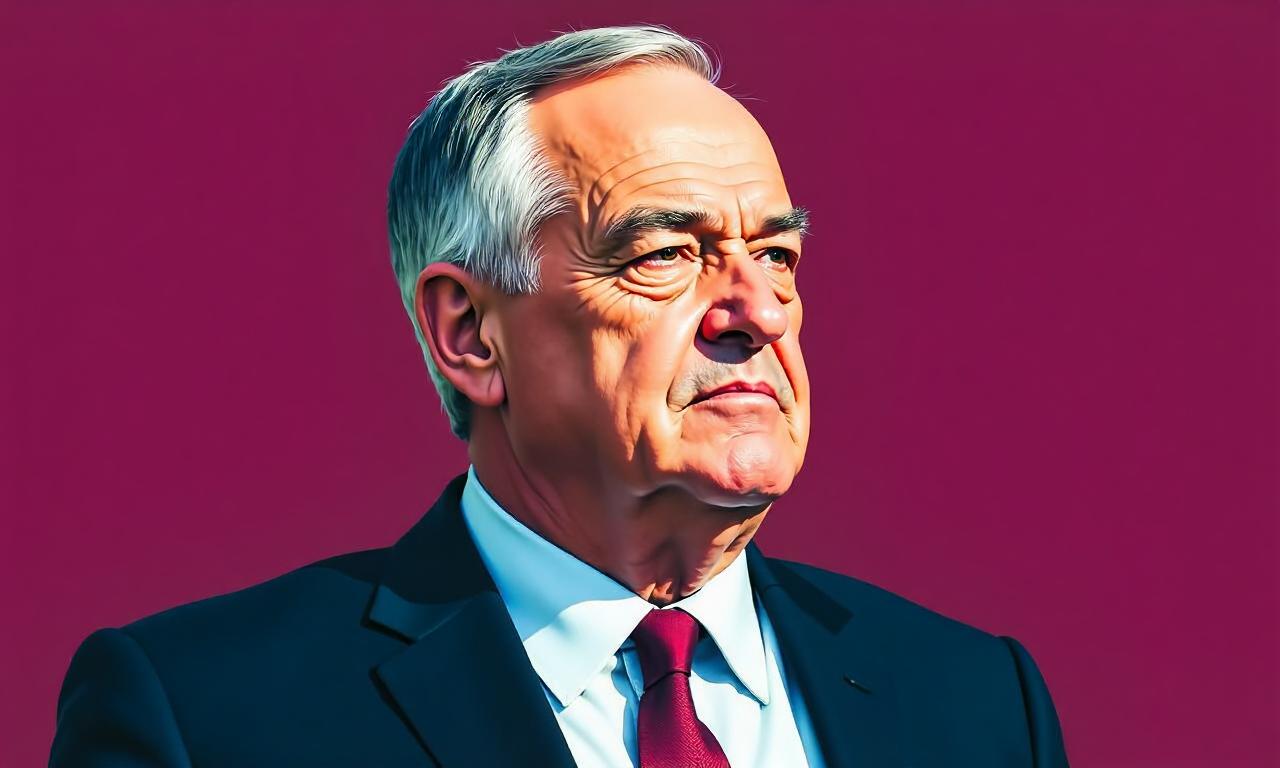
Samael.lol – Following the recent local elections, Sir James Cleverly, the shadow housing secretary, asserted that the Conservative Party remains the largest political force on the right of the UK. His argument came amid significant gains by Reform UK, which has challenged the Tories’ traditional stronghold in several regions. Cleverly emphasized that while Reform has made strides, it does not represent a centre-right movement but rather a “cult of personality,” as he described during an interview with BBC presenter Laura Kuenssberg.
“Nigel [Farage] is not a policy, being angry at stuff is not a policy,” Cleverly remarked, contrasting Reform’s focus with the Conservatives’ “clear, defined agenda.” He highlighted the party’s commitment to reducing taxes, securing borders, strengthening the armed forces, and fostering business growth. These policies, he argued, are more than just slogans, offering a coherent vision for the nation’s future.
Meanwhile, Reform UK’s deputy leader, Richard Tice, called the election results a “seismic earthquake in British politics” during the same broadcast. Tice noted that the party not only claimed over 1,450 council seats from the Conservatives but also extended its influence into areas previously dominated by Labour, such as Sunderland and Barnsley. This expansion was further reflected in Reform’s strong showing in the Welsh Parliament elections, where it came second, and in Scotland, where it tied with Labour for the second position.
Reform UK’s rise has been particularly notable in regions where the Conservative Party faced a decline. In England, the party’s support dropped by 11 points compared to the 2022 local elections, leading to the loss of more than half the seats it contested. Cleverly pointed out that the Conservatives were “faring particularly badly” in areas with the highest Reform vote shares, underscoring the shifting political landscape. However, the party managed to reclaim some London seats, including Westminster and Wandsworth, which had previously been held by Labour.
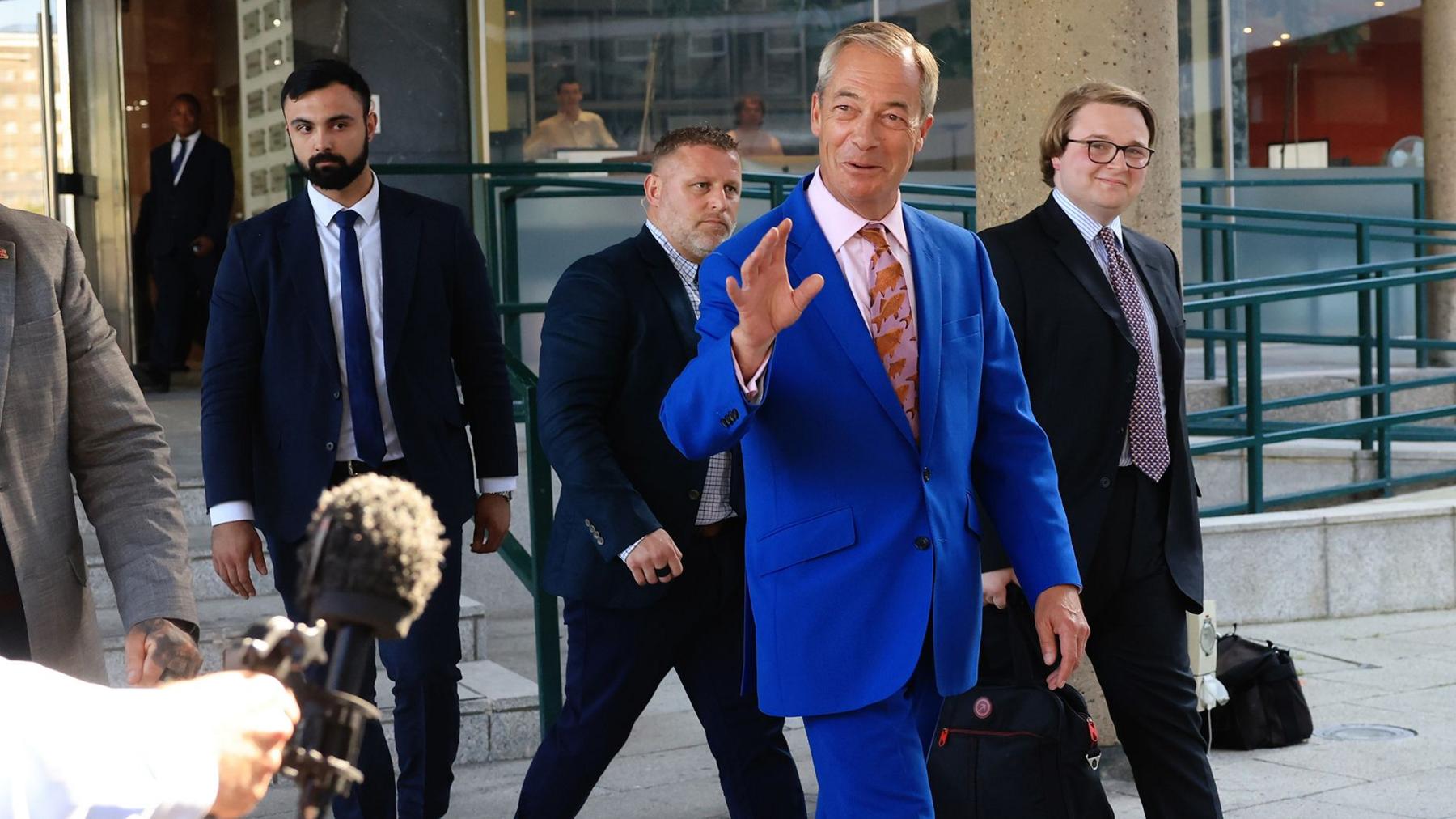
Reform UK leader Nigel Farage, speaking on Friday, hailed the outcome as evidence of “historic vote shifts.” He claimed the traditional left-right divide in British politics had been “literally blown apart” in the past 24 hours, suggesting a new era of political realignment. Farage’s comments align with Reform’s narrative of challenging the status quo, positioning the party as a catalyst for change. Tice echoed this sentiment, noting that despite intense scrutiny and criticism, voters continue to embrace Reform’s message.
“Isn’t it interesting that despite all of the scrutiny and the attacks on Nigel, on me, on our candidates, on our councils, voters have said, ‘we want more Reform please,'” Tice remarked, emphasizing the party’s resilience in the face of opposition.
Cleverly, who narrowly missed out on the 2024 Conservative leadership race to Kemi Badenoch, acknowledged the need for progress but warned of the “significant electoral defeat” looming in the near future. He stressed that the Conservatives must work swiftly to recover lost ground, as their current trajectory suggests a precarious position. “All of us, Kemi [Badenoch] included, would like to see progress happen faster,” he said, adding that the party’s ability to regain trust would be crucial in the upcoming national elections.
Farage, meanwhile, positioned Reform UK as a counterweight to both the Conservatives and Labour, arguing that their electoral success reflected a broader rejection of established political norms. He criticized the other parties for adopting “pick and mix” approaches to populist policies, accusing them of lacking consistency in their platforms. Cleverly echoed this critique, noting that Reform’s stance on issues like welfare cuts and defense remains unclear, with the party yet to appoint a dedicated defence spokesperson.
“What we’ve seen with Reform, and we will see that again, and we’ll also see this with the Greens, is where they do get elected they let the voters down and those voters start rejecting them,” Cleverly warned, suggesting that Reform’s current momentum might not translate into long-term stability.
The Green Party of England and Wales also capitalized on the election results, securing control of several council seats in key urban areas such as London, Norwich, and Hastings. This growth has been accompanied by the party’s bold declaration that “two-party politics is dead and buried,” according to leader Zack Polanski. Polanski argued that the Greens and Reform UK are now shaping the political landscape, with the former challenging the Conservatives in urban centers and the latter disrupting Labour’s dominance in rural and midland regions.
As the election results solidify, the Conservative Party finds itself in a precarious position, with its traditional base in England eroding and its influence in London wavering. Cleverly, though not leading the party, remains a vocal advocate for its core principles, insisting that the Tories’ message of economic liberalism and national security is still resonating with voters. He believes that the party’s ability to attract back former supporters and draw in new voters will be essential for its revival.
The political realignment has sparked debates about the future of British politics. While Reform UK and the Greens are gaining traction, their ability to sustain this momentum remains uncertain. Farage’s rhetoric of a “new era” has galvanized some voters, but Cleverly’s emphasis on policy clarity and consistency could prove vital in countering Reform’s appeal. The Conservatives’ loss of council seats in key areas raises questions about their capacity to adapt to the changing electorate, particularly as the next national elections approach.
With the current round of elections highlighting a fractured political landscape, the implications for future governance are significant. The Greens’ expansion in London suggests a growing appetite for progressive policies in urban settings, while Reform’s success in traditional Labour areas indicates a shift in rural and midland politics. Cleverly’s assertion that the Conservatives are “still the biggest party on the right” reflects a belief in the party’s enduring relevance, even as it contends with challenges from multiple fronts.
As the political landscape evolves, the focus will likely turn to whether the Conservatives can reclaim their former strength or if Reform UK and the Greens will emerge as dominant forces. Cleverly’s confidence in the party’s ability to “see the acceleration of support” comes as a counterpoint to Farage’s claims of a seismic shift, suggesting a contest between ideological clarity and populist appeal. The coming months will be critical in determining which narrative prevails and how the UK’s political structure continues to transform.
For now, the election results mark a pivotal moment in British politics, with Reform UK and the Greens positioning themselves as key players in the nation’s evolving political scene. The Conservatives, despite their setbacks, remain the largest party on the right, but their ability to maintain this position will depend on their capacity to address voter concerns and present a compelling alternative to the rising forces on the political left and right.