Macron’s Interruption at Africa Summit Sparks Controversy
Samael.lol – During a speech at the Africa Forward summit in Nairobi, French President Emmanuel Macron took a decisive action that drew immediate attention. He cut off a speaker mid-presentation, addressing the audience with a sharp critique of their behavior. “There is a total lack of respect,” he said, emphasizing the need for quiet during the event. The incident occurred as Macron sought to reinforce his administration’s focus on diplomatic engagement, particularly with African nations.
“There is a total lack of respect,” Macron told attendees, before urging those engaged in side discussions to continue them outside the main venue or in private meeting rooms.
The summit, held in the Kenyan capital, has gathered over 30 African leaders, business magnates, and young entrepreneurs. Macron’s presence underscores France’s strategic interest in deepening economic and political ties with the continent. His interruption, however, highlighted tensions between maintaining decorum and addressing disruptions in real-time. The audience’s reaction to his rebuke remains a topic of discussion among attendees and media observers.
US-Iran Ceasefire Faces New Challenges
Meanwhile, in the Gulf region, the situation remains volatile. Despite Donald Trump’s announcement of a two-week ceasefire with Iran, attacks on vessels in the Strait of Hormuz have continued. The US vice-president made the declaration after 21 hours of negotiations in Islamabad, Pakistan, where peace talks were ongoing. However, no official date has been set for the ceasefire’s implementation, leaving uncertainty about its effectiveness.
Tehran has expressed concerns over the US’s naval blockade of its ports, which has disrupted trade and prompted fears of further escalation. The blockade led to the seizure of an Iranian-flagged cargo ship, a move Trump justified as part of a broader strategy to pressure Iran into reopening the strategic waterway. “The US has won a ‘total and complete victory’ in securing the ceasefire,” Trump stated, though critics argue the agreement is fragile.
Regional Tensions and Global Implications
The BBC’s security correspondent Frank Gardner has analyzed how the US blockade of Iranian ports fits into the broader conflict in the Gulf. He noted that the operation is designed to limit Iran’s ability to export oil, a critical factor in the region’s economic stability. The IMF has warned that ongoing hostilities and rising energy prices could destabilize the global economy, adding pressure on the ceasefire negotiations.
Analysts point to several risks, including oil supply disruptions, inflationary pressures, and fluctuating interest rates. These factors could exacerbate economic instability, particularly in countries reliant on energy imports. Additionally, the interception of an Iranian vessel by the US has raised questions about the long-term impact of such actions on international relations. The BBC has reported that activity spikes were observed shortly before Trump’s announcements, suggesting a coordinated effort to manage public perception.
Broader Context: From Nairobi to Social Circle
While the Africa Forward summit in Nairobi focuses on economic collaboration, other developments across the globe highlight the interconnected nature of geopolitical issues. In Social Circle, Georgia, residents from both major political parties have rejected a proposal to convert an empty warehouse into a detention center. The plan, backed by the Department of Homeland Security, has sparked debates about immigration policy and domestic security.
Trump’s supporters, when questioned by the BBC, emphasized concerns over Iran’s role in global energy markets and its economic impact. They also linked the US military actions to broader security strategies, including the targeting of civilian infrastructure. Meanwhile, the Dutch foreign ministry confirmed that a British, German, and Dutch national had been evacuated from a virus-affected ship, underscoring the ongoing challenges of international travel and health crises.
Symbolic Representations and Environmental Factors
In Washington, DC, a unique art installation features bears symbolizing the children Ukraine claims have been abducted by Russia. Each bear is a visual reminder of the humanitarian crisis, drawing attention to the conflict’s far-reaching consequences. Separately, environmental conditions in certain regions are being cited as key obstacles to fire control efforts. Officials have identified dry weather, high winds, and prolonged drought as contributing factors to the difficulty in managing wildfires.
As the summit in Nairobi progresses, Macron’s actions serve as a microcosm of the challenges faced in international diplomacy. His interruption, while brief, underscored the importance of maintaining focus in high-stakes discussions. The event’s success will depend on how effectively leaders can navigate both internal and external pressures, from economic interests to cultural sensitivities.
Peace Talks and Public Sentiment
The BBC’s Azadeh Moshiri is in Islamabad, where preparations for peace talks continue. Although no confirmed date has been released, the atmosphere remains charged with anticipation. Esmail Baghaei, an Iranian representative, voiced concerns about the US naval blockade, which has affected access to key maritime routes. He highlighted the economic strain on his country, noting the disruption of trade and the seizure of assets.
Residents in Social Circle, Georgia, have become vocal critics of the proposed detention center, reflecting a broader public sentiment about immigration policies. The BBC’s engagement with these groups reveals a focus on the intersection of domestic and international issues, from the economy to security. Frank Gardner’s reports on the US blockade emphasize its tactical significance, while Michelle Fleury explains how oil prices and inflation are shaping the global economic outlook.
Some of the country’s cheapest fuel sources are found on tribal lands, where tax exemptions have created a unique economic dynamic. This situation highlights the complex interplay between resource management and policy decisions. As the US and Iran continue their diplomatic efforts, the stakes remain high, with potential consequences for energy markets and international trade.
Leadership and Strategic Moves
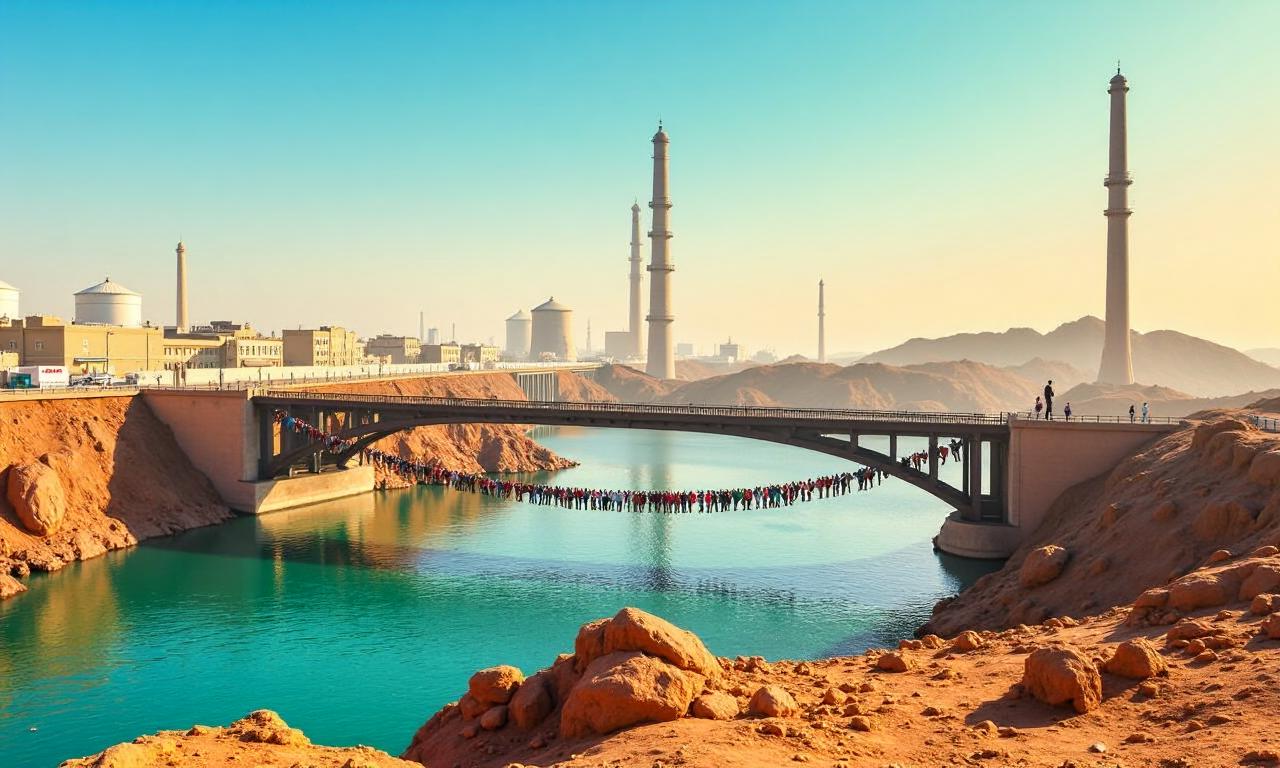
Trump’s leadership style has been marked by decisive, sometimes controversial, actions. His attack on Pope Leo, following the pontiff’s criticism of the war in Iran, exemplifies this approach. The ceasefire announcement, though framed as a victory, has not quelled all opposition. Tehran, in response to Trump’s threats, urged citizens to gather outside potential targets, creating a visible show of solidarity.
US and Iranian forces are now working together to locate a missing American crew member after a warplane was shot down. This incident has added another layer of complexity to the conflict, with both sides emphasizing their commitment to resolving the situation. The broader implications of these events suggest that while diplomatic progress is being made, the road to stability remains fraught with challenges.
In summary, the Africa Forward summit in Nairobi and the ongoing US-Iran ceasefire negotiations represent two fronts of international diplomacy. Macron’s interruption, though symbolic, reflects the tensions inherent in such gatherings. Meanwhile, the Gulf conflict continues to evolve, with each action influencing global markets and political alliances. As the world watches these developments, the balance between cooperation and confrontation remains precarious.