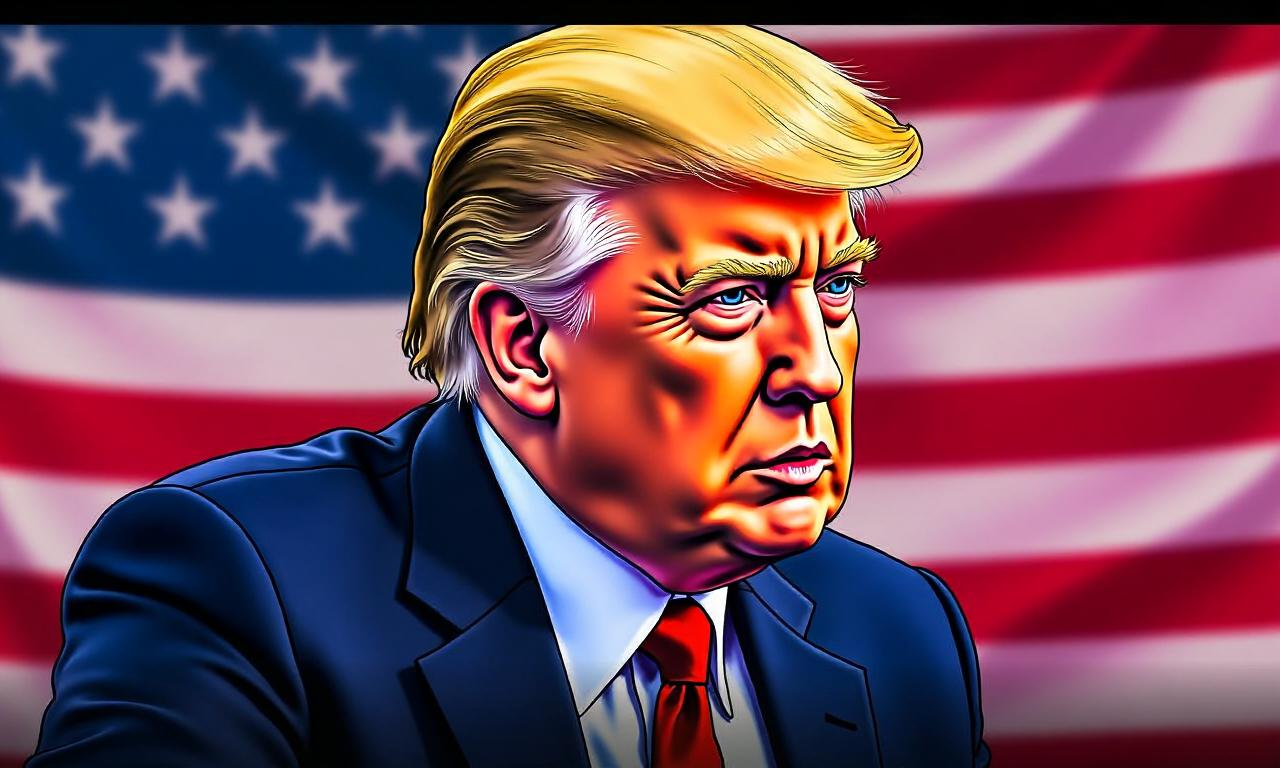
Trump Tells US Negotiators ‘Not to Rush’ Into Deal with Iran
Samael.lol – US President Donald Trump has directed his team to delay finalizing a pact with Iran, following earlier hints that a deal was near completion. In a recent social media update, Trump emphasized that discussions are progressing constructively, but both sides must take time to ensure the agreement is well-structured. This comes as tensions in the Middle East continue to escalate, with the prospect of a new diplomatic arrangement raising questions about its potential impact on regional stability.
Key Components of the Proposed Agreement
The tentative deal under consideration reportedly includes a 60-day extension of the ceasefire, the reopening of the Strait of Hormuz, and plans for further negotiations regarding Iran’s nuclear program. While these elements signal a step toward de-escalation, they also leave significant unresolved issues, such as the scope of sanctions relief, the release of frozen Iranian funds, and Washington’s demands for Iran to curtail its nuclear ambitions. Trump’s caution suggests a desire to avoid hasty commitments that could undermine long-term goals.
“Both sides must take their time and get it right,” Trump stated in a post on Truth Social, underscoring the need for careful deliberation.
Earlier this week, the president claimed that an agreement had been “largely negotiated,” sparking speculation that a formal announcement might come soon. However, this optimism is tempered by the complexity of the remaining negotiations. Iranian officials have echoed similar sentiments, with foreign ministry spokesperson Esmail Baghaei noting that the two sides are “very close and very far” from a final agreement, highlighting the delicate balance between progress and unresolved disputes.
Political Divisions in the US
The proposed deal has sparked internal debate among US political leaders, particularly within the Republican Party. While some lawmakers argue that the agreement is too lenient on Iran, others praise it as a necessary step to force the regime into dialogue. Senator Ted Cruz criticized the deal as a “disastrous mistake,” while Roger Wicker, chairman of the Senate Armed Services Committee, warned that a 60-day ceasefire could render earlier military actions, such as Operation Epic Fury, ineffective. In contrast, Representative Mike Lawler, a member of the House Foreign Affairs Committee, praised the administration for “forcing the remnants of this regime into a real negotiation.”
Context of the Conflict
The current talks follow a series of strikes launched by the US and Israel on February 28, which triggered a broader conflict in the Middle East. Iran retaliated by attacking Israeli and US-aligned targets in the Gulf, effectively closing the Strait of Hormuz—a critical maritime route through which approximately 20% of the world’s oil and liquefied natural gas flows. This move led to a sharp increase in global oil prices, compounding economic pressures on both sides.
Shortly after a ceasefire was brokered in early April, the US imposed a blockade on Iranian ports, a measure Trump reiterated would remain “in full force and effect until an agreement is reached, certified, and signed.” This blockade, combined with the proposed ceasefire, has become a central part of the negotiation strategy, with the goal of applying pressure while allowing for diplomatic flexibility.
Nuclear Ambitions and Sanctions Relief
At the outset of the conflict, Iran was estimated to hold about 440kg of uranium enriched to 60% purity—a level close to weapons-grade enrichment, which could be further refined to 90% within a short time. This raises concerns about Iran’s capability to develop nuclear weapons, a point Trump has repeatedly stressed. In a Sunday post, he emphasized that Iran “must understand” its path to nuclear weapons is not guaranteed, though Tehran has consistently maintained that its program is purely for peaceful purposes.
“Iran is ready to assure the world that we are not after a nuclear weapon,” said Iranian President Masoud Pezeshkian, speaking on state television.
According to US media, the current deal is not a final resolution but a framework for ongoing discussions. This includes the possibility of Iran agreeing to eventually hand over its highly-enriched uranium, which could serve as a confidence-building measure. US Secretary of State Marco Rubio, addressing journalists in Delhi, described the progress as “significant” but not final, hinting that recent talks may lead to a “completely open strait… without tolls.”
Mediation Efforts and Outlook
Pakistan’s Deputy Prime Minister Ishaq Dar, who has been facilitating the talks, expressed optimism about the prospects for a positive outcome. “Recent negotiations are grounds for optimism that a favorable result is within reach,” Dar said, underscoring the importance of continued diplomatic engagement. Meanwhile, the Iranian side appears to be aligning with the US on the need for a structured approach, as evidenced by Baghaei’s remarks and Pezeshkian’s assurances about the country’s nuclear intentions.
Despite the challenges, the deal represents a critical juncture in the ongoing conflict. By combining temporary ceasefire measures with the potential for long-term nuclear negotiations, it aims to address immediate security concerns while laying the groundwork for broader agreements. As the talks continue, the outcome will likely hinge on the ability of both parties to navigate their differing priorities and build mutual trust. The global implications of this agreement remain significant, particularly in light of its impact on oil markets and the broader geopolitical landscape of the Middle East.
Stability and Future Implications
The proposed agreement has been met with mixed reactions, reflecting the diverse perspectives within the US political establishment. While some leaders see it as a pragmatic approach to de-escalation, others view it as a concession that could weaken Iran’s leverage. The success of the negotiations will depend on whether the terms can be adjusted to satisfy both sides and whether the ceasefire holds in the face of continued tensions. With the Strait of Hormuz now at the center of the discussion, the deal could serve as a test case for how diplomacy and military pressure might coexist in the region’s future conflicts.
As the talks progress, the focus will shift to finalizing the details of the memorandum of understanding, a document Trump and Iranian officials have both described as a key step toward a lasting resolution. The road ahead remains uncertain, but the current framework offers a pathway to reduce immediate hostilities while addressing the deeper strategic issues that have fueled the conflict for months. Whether this agreement will be a breakthrough or a temporary truce remains to be seen, but its implications for the Middle East and global energy markets are clear.