Turkish riot police storm opposition offices after leaders ousted
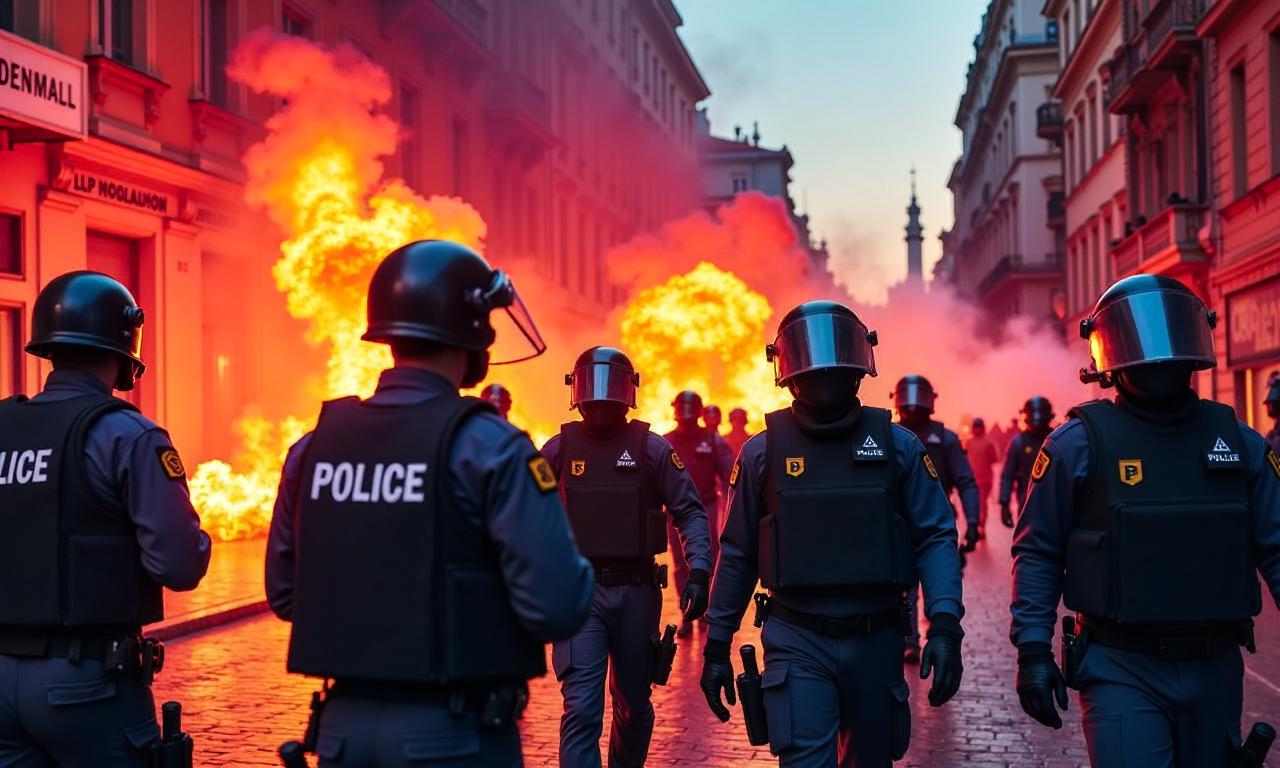
Samael.lol – On Sunday, Turkish riot police surged into the headquarters of the Republican People’s Party (CHP), the nation’s primary opposition group, following a court’s decision to oust its leadership. The dramatic entry unfolded amid thick plumes of tear gas, as party members erected temporary barriers to resist the advance. Videos from the scene revealed a tense standoff, with supporters inside shouting and hurling objects toward the building’s entrances while security forces used water cannons to push through the crowd.
Leadership Dismissal and Political Reckoning
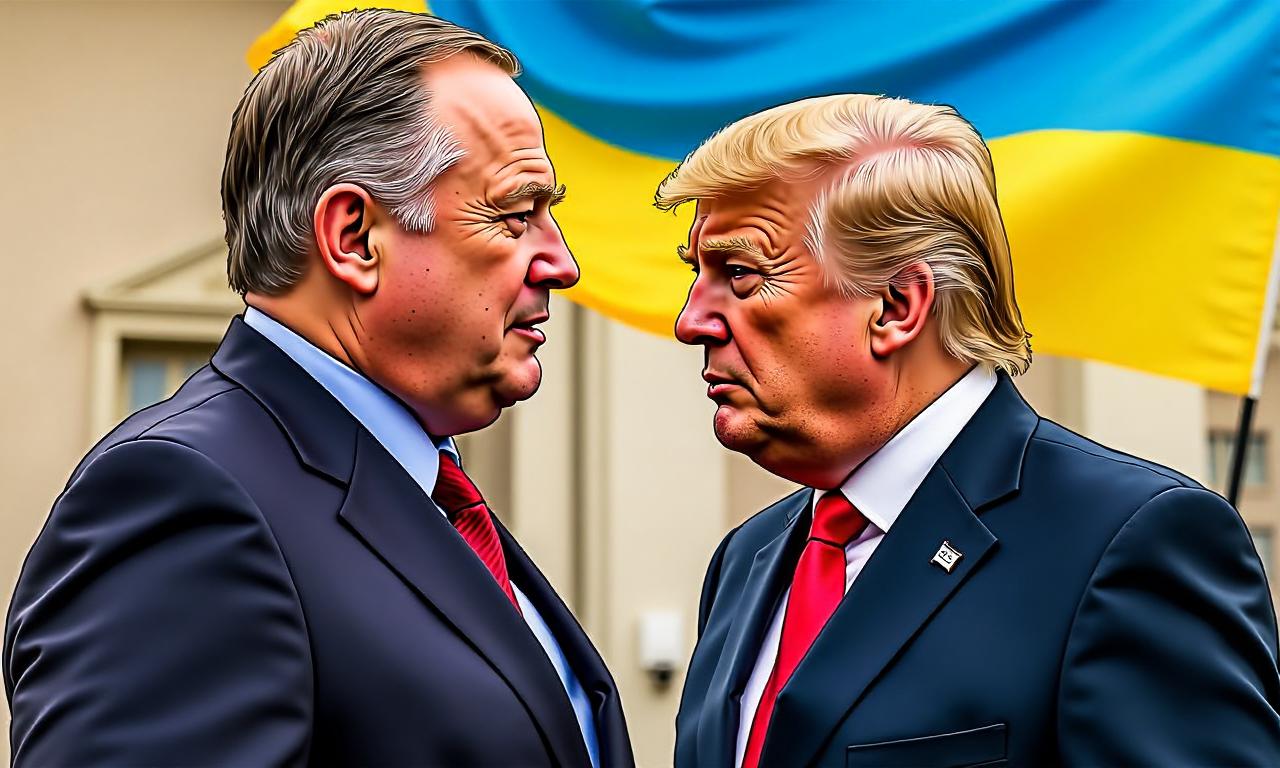
Two days prior, a court had invalidated the leadership of Özgür Özel, the CHP’s former president, in a move that intensified the political conflict. The ruling declared his election null and void, paving the way for Kemal Kilicdaroğlu, a seasoned party figure, to assume control. Kilicdaroğlu, who lost the 2023 presidential election to President Recep Tayyip Erdoğan, now faces the challenge of reasserting influence within the party. Turkish media reported that his representatives had urged police to enforce the court’s order, asserting they had been denied access to the building.
The city’s governor directed the security forces to execute the court’s decision, according to an official statement. As the police stormed the CHP headquarters, Özel issued a video message via X, declaring, “We are under attack.” The confrontation escalated as supporters of Özel clashed with Kilicdaroğlu’s faction inside the building, with the latter’s allies reportedly resisting the change in leadership. After the turmoil, Özel emerged from the premises, addressing protesters outside. “They tried to uproot and throw us out — to where?” he asked, vowing the party would now “march towards power” from the streets and squares.
Legal Backing and Institutional Shift
The court’s decision overturned a 2025 ruling by a lower tribunal that had dismissed allegations of vote-buying in the CHP’s internal election. This ruling effectively nullified the leadership structure, with the entire executive board now replaced. The shift suggests the party’s decisions may no longer carry official recognition, leaving its members to navigate a new political landscape. The appeal court’s action, which invalidated Özel’s leadership, underscores the broader strategy of President Erdoğan’s AK Party to consolidate authority over opposition groups.
Özgür Özel, a 72-year-old leader, has long accused the AK Party of targeting its rivals through a series of measures aimed at weakening opposition momentum. His removal from power is seen as part of this effort, with the government seeking to marginalize critics of its policies. The Justice Minister, Akin Gürlek, previously chief prosecutor in Istanbul, defended the court’s decision, stating it “reinforces citizens’ trust in democracy.” Gürlek’s role in leading investigations against the opposition, including the city’s popular mayor Ekrem Imamoğlu, highlights the government’s approach to political control.
Chaos and Consequences
As the police entered the building, the scene erupted into chaos. Supporters of Özel and Kilicdaroğlu clashed violently, with the former’s faction resisting the transition. The media captured the intensity of the situation, detailing how the party’s headquarters became a battleground for ideological conflict. The governor’s directive to the security forces marked a decisive moment, as the police enforced the court’s ruling despite the resistance from inside.
Özgür Özel, who had vowed to defy the court’s decision, became a symbol of defiance against the ruling government. His supporters marched through the streets of Ankara, following him as he led a procession toward the Turkish parliament. The protest underscored the deepening divide between the opposition and the ruling party, with the CHP’s leadership now in question. Human Rights Watch warned on Saturday that Erdoğan’s administration was employing “abusive tactics” to suppress Turkish democracy, citing the government’s actions against the CHP as a key example.
The CHP, once a formidable force in Turkish politics, now faces uncertainty as its leadership is replaced. The party’s decisions, previously considered authoritative, are now in doubt, potentially weakening its ability to challenge the government. This development comes as Erdoğan, who has led the country since 2003 first as prime minister and later as president, strengthens his grip on power. The court’s action not only reshaped the CHP’s internal dynamics but also reinforced the government’s dominance in the political arena.
Long-Term Implications
For Özgür Özel, the loss of leadership marks a significant setback. He can only seek re-election as president if he calls early elections before 2028 or amends the constitution to allow another bid. The political ramifications of this move are far-reaching, with analysts suggesting it may further polarize the nation. The CHP’s former leader, now sidelined, has become a rallying figure for his supporters, who view the court’s decision as an attempt to eliminate opposition voices.
Meanwhile, Kemal Kilicdaroğlu’s leadership introduces new challenges. As a veteran politician, he may face difficulties in uniting the party, particularly given the recent conflict. The transition from Özel to Kilicdaroğlu highlights the internal struggles within the opposition and the broader power dynamics in Turkey. The ruling party’s strategy of replacing opposition leaders appears to be a calculated move to reduce their political influence.
The government’s actions have drawn criticism from human rights organizations, which argue that the tactics used to remove leaders like Özel threaten democratic norms. The CHP’s leadership was removed despite its popularity among certain segments of the population, with many viewing the process as politically motivated. The incident also raises questions about the judiciary’s independence, as it is seen as a tool to advance the ruling party’s agenda.
As the dust settles, the CHP’s future remains uncertain. The party’s ability to regain control or adapt to the new leadership will determine its role in the political landscape. For now, the scenes of turmoil in Ankara serve as a stark reminder of the ongoing struggle between the ruling government and its opposition. The ruling party’s grip on power continues to tighten, with the CHP’s leadership transition symbolizing a pivotal moment in Turkey’s political history.
Human Rights Watch emphasized that the court’s decision was part of a larger pattern of tactics used to undermine the opposition. The government’s approach, which includes legal actions and security interventions, has been criticized for eroding democratic institutions. As the CHP navigates this new chapter, the broader implications for Turkish democracy remain a focal point of discussion. The incident underscores the challenges faced by opposition groups in a system where power consolidation is a key priority.
The removal of Özgür Özel and the subsequent takeover of the CHP’s headquarters illustrate the complex interplay between legal processes and political strategy. With the ruling party’s influence growing, the opposition is left to redefine its approach in a rapidly changing environment. The scenes of confrontation and resistance in Ankara highlight the resilience of the CHP, even as its leadership is contested. The party’s next steps will be critical in determining its ability to challenge the government’s dominance in the years ahead.