
UK armed forces board Russian shadow fleet oil tanker in English Channel, PM says
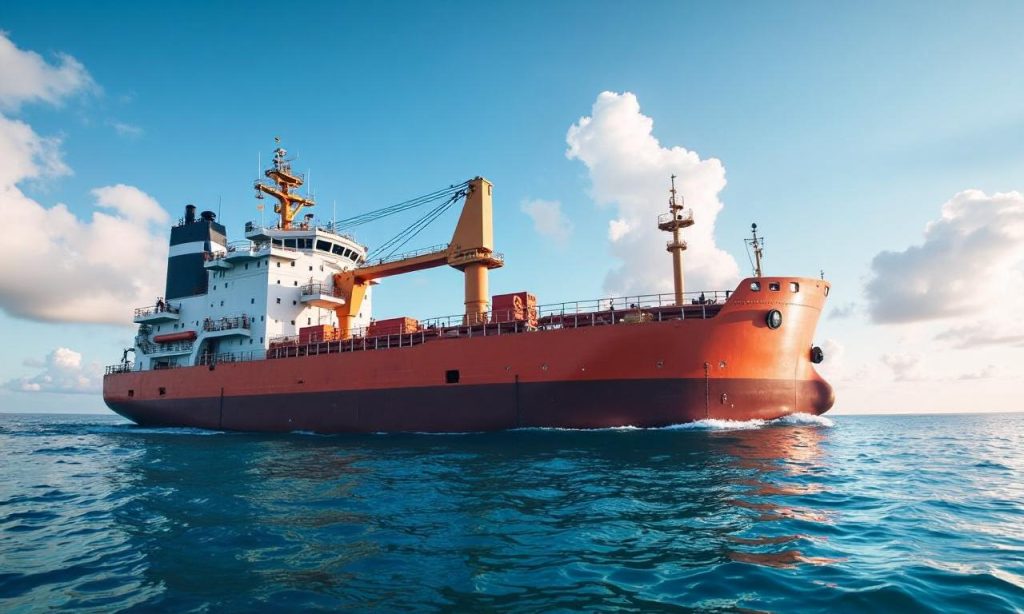
UK Armed Forces Board Russian Shadow Fleet Oil Tanker in English Channel, PM Says
UK armed forces board Russian shadow – In a significant maritime operation, British armed forces successfully intercepted and boarded a Russian shadow fleet oil tanker in the English Channel early on Sunday, according to Prime Minister Sir Keir Starmer. The mission, which spanned six hours, involved Royal Marine Commandos and specially trained law enforcement officers from the National Crime Agency (NCA), with aerial support provided by the Royal Air Force (RAF). The vessel, identified as Smyrtos, was detained and is now being monitored off the south coast of England as investigations into its activities proceed.
Operational Details and Vessel Background
The MoD confirmed that the Smyrtos was flagged under Cameroon’s registry and was anchored off the coast of Weymouth at the time of the operation. According to tracking data from MarineTraffic, the tanker embarked on its journey from Russia’s Ust-Luga port—a major oil terminal near St. Petersburg—on June 5, 2025, before entering the English Channel on Saturday. The MoD’s analysis suggests the vessel had previously operated under the name Myrtos and had changed its flag twice since being sanctioned in July 2025.
Starmer emphasized the strategic impact of the boarding, stating:
“This successful operation delivers yet another blow to Russia and reminds those fuelling Putin’s war in Ukraine that we will not let them hide.”
The move was part of a broader effort to disrupt Russia’s oil exports, which have been a focal point of Western sanctions. The Smyrtos is among the vessels in Russia’s “shadow fleet” network, designed to bypass restrictions on oil shipments.
Shadow Fleet and Sanctions Strategy
Russia’s shadow fleet, comprising over 700 vessels, plays a crucial role in maintaining its oil exports despite international sanctions. These ships, often flagged under neutral or friendly nations, are responsible for transporting 75% of Russia’s sanctioned oil, providing a vital supply chain for the Kremlin. The UK’s Ministry of Defence has sanctioned more than 500 such vessels, effectively blocking their access to British ports and limiting financial services for ships involved in Russian oil deliveries.
The operation marks the first time British forces have boarded a Russian shadow fleet tanker, a milestone highlighted by the use of fast-roping from a helicopter in the early hours of Sunday. Video footage released by the MoD shows armed personnel descending into the dark by rope, followed by searches of cabins and inspections of paperwork by NCA officers. The RAF’s Maritime Air Group provided critical support, with a P-8 aircraft assisting in the mission. HMS Sutherland and HMS Ledbury were also involved, securing the vessel and guiding it into UK territorial waters.
Resignations and Defence Investment Concerns
The interception comes amid a wave of resignations linked to the government’s Defence Investment Plan (DIP), a long-awaited strategy for military spending. John Healey, the former Defence Secretary, resigned in early June, criticizing the plan as insufficient to meet the UK’s defense needs. He warned that the proposed budget “falls well short” of what is required to safeguard national interests, while Al Carns, the former Armed Forces Minister, argued the DIP was “neither transformative enough nor sufficiently funded.”
Carns, in an interview with the BBC, reiterated the importance of the operation, stating:
“Now the UK has performed its first boarding of a Russian shadow fleet vehicle, we’re probably going to see more, should the opportunities present themselves.”
He also outlined the approach of military personnel, who would “fly low level over the sea, rearing up before the ship, fast roping onto the vessel, securing it, and then taking it into our territorial waters.” Culture Secretary Lisa Nandy acknowledged the ongoing challenges, saying:
“The government had to find more money for defence, and discussions on the Defence Investment Plan are still in progress.”
She stressed the need to “transform the way we do defence spending” to align with current and future threats.
Shadow Defence Secretary James Cartlidge called for additional funding, estimating that the MoD requires up to £28 billion over the next few years. He noted that cutting welfare programs would be “a big part” of achieving this goal. The DIP, set to be published before the upcoming NATO summit, has faced delays that have raised concerns about its readiness and the government’s commitment to defense priorities.
International Reactions and Strategic Implications
Attorney General Richard Hermer praised the operation, asserting:
“This government made clear that we would pursue Russia’s shadow fleet under the full force of international law.”
The move is part of a coordinated effort to target Russia’s oil revenues and “choke off funding for its war machine” in Ukraine. Ukrainian President Volodymyr Zelensky welcomed the UK’s action, tweeting:
“Europe urgently needs to take legislative steps to enable not only the detention of tankers and restrictions on oil shipments, but also the confiscation of the oil they carry.”
The success of the operation underscores the UK’s ability to enforce sanctions through direct maritime interventions. It also highlights the strategic significance of the English Channel, a key route for global oil trade, as a battleground for geopolitical influence. By detaining Smyrtos, the UK aims to weaken Russia’s capacity to circumvent sanctions, a tactic that has been widely used to sustain its war efforts in Ukraine.
Experts suggest that the shadow fleet’s survival depends on its ability to operate under flags of convenience and evade detection. The UK’s action sets a precedent for other nations to follow, demonstrating a willingness to challenge Russia’s logistical networks. However, the effectiveness of such measures will depend on sustained enforcement and international cooperation, particularly as Russia continues to adapt its strategies.
As the MoD advances its campaign against the shadow fleet, the focus remains on disrupting supply chains and isolating Russia from global markets. The interception of Smyrtos not only reinforces the UK’s maritime capabilities but also sends a message to allies and adversaries alike about the government’s resolve to counter Russian aggression. With the DIP under scrutiny and defense spending at the center of political debate, the operation serves as a reminder of the urgency surrounding this issue.
Analysts highlight that the shadow fleet’s adaptability—changing flags, names, and routes—requires continuous vigilance. The UK’s ability to intercept and board these vessels reflects progress in leveraging both military and law enforcement resources. While the operation is a symbolic victory, its long-term impact will depend on the scale of enforcement and the speed of international legal action to hold Russia accountable for its oil exports.
Meanwhile, the resignation crisis over the DIP has intensified debates about the government’s financial priorities. With defense spending under pressure and welfare cuts looming, the upcoming release of the plan will be closely watched to determine whether it addresses the growing concerns of MPs and the public. The UK’s maritime success, however, offers a tangible example of how the nation is actively countering Russia’s economic and military strategies.