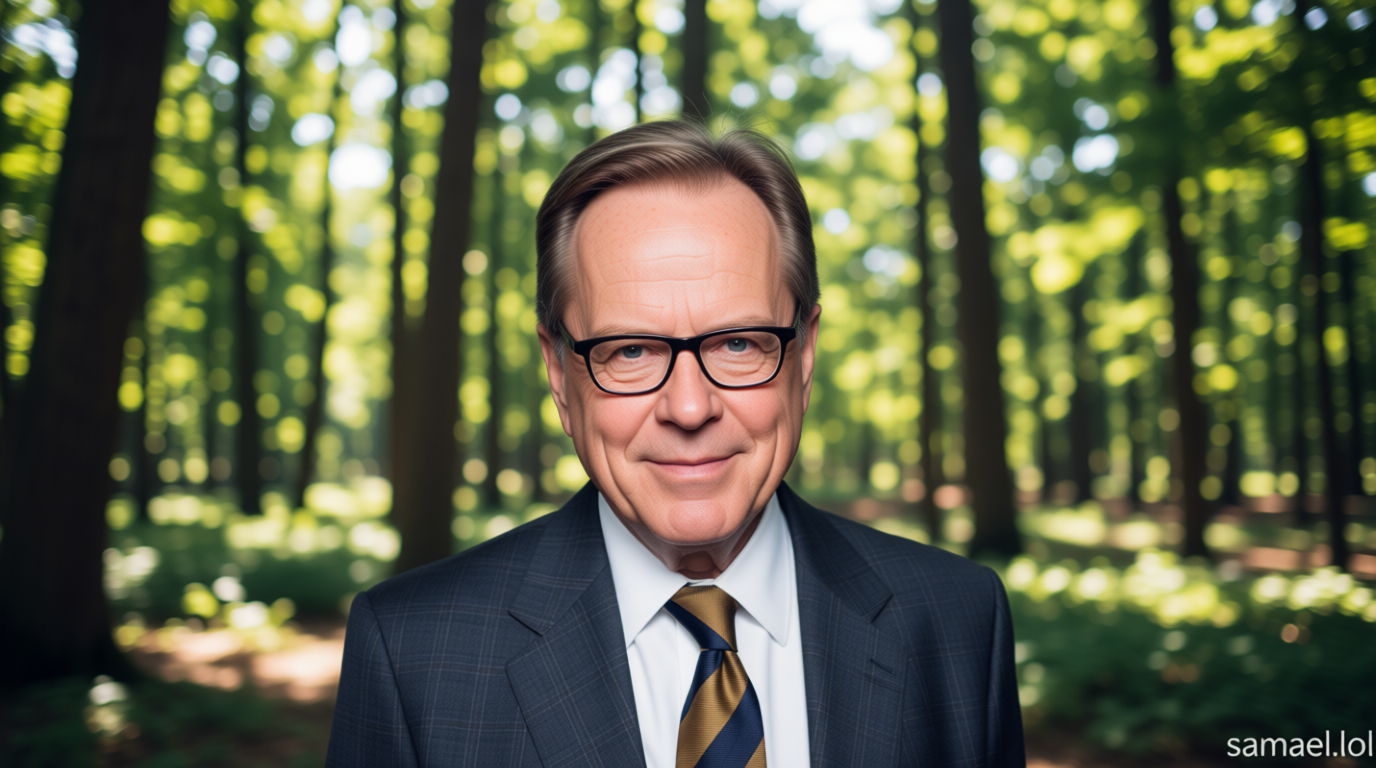
UK Net Migration Needs to Fall Further, Says Andy Burnham
Samael.lol – Andy Burnham, the current mayor of Greater Manchester, has reiterated that the UK’s net migration rate requires a more significant reduction. This comes after recent government statistics revealed that net migration had nearly dropped by half since 2024. During a campaign stop in Makerfield, Burnham emphasized that local residents have expressed growing concerns about immigration, prompting him to advocate for a more measured approach to population growth.
The Home Office reported that migration contributed to an increase of 171,000 people in the UK’s population last year. This figure, while lower than previous years, remains the smallest since 2012, excluding the pandemic’s impact. Prime Minister Sir Keir Starmer acknowledged the progress but stressed that further efforts are necessary to address ongoing challenges. Burnham, however, argued that the trend is already showing a clear downward shift, urging continued focus on reducing the number of migrants settling in the country.
Burnham also highlighted the importance of balancing immigration policies, stating that the government must ensure its measures do not inadvertently create a “drain on our public finances.” He supported the broader goals of Home Secretary Shabana Mahmood’s proposals, which aim to make it more difficult for migrants to secure permanent residency in the UK. Mahmood has defended the changes as “fair” and necessary to protect the country’s economic stability, though some Labour MPs, including former Deputy Prime Minister Angela Rayner, have criticized the retrospective nature of the policies as “un-British” and a shift in the rules.
“We’ll have to work hard to get the balance right, but the broad thrust of what she’s doing is right,” Burnham said during his campaign launch.
Burnham’s stance on single-sex spaces has evolved, particularly after engaging with new guidance from the Equalities and Human Rights Commission (EHRC). The EHRC’s recommendation, endorsed by ministers, asserts that single-sex facilities such as changing rooms and toilets should be used based on biological sex. This contrasts with Burnham’s earlier position, where he noted that a “small minority” had concerns about trans women using women’s toilets. However, he has since aligned with the Supreme Court’s ruling that the definition of a woman under the Equality Act should be grounded in biological sex. “This has to be implemented,” he stated, adding that the decision should not lead to the further marginalization of any group.
“I’ve followed the debate as it’s gone along over the years,” Burnham admitted when questioned about his changing perspective.
Burnham described his approach as one that prioritizes fairness while acknowledging diverse viewpoints. “I’ve always taken a live and let live approach,” he said, “but I believe we need to find the point of balance and bring people back together.” His evolving stance reflects a broader effort to reconcile different concerns within the party and the public. The by-election in Makerfield is not just a local contest; it also serves as a platform for Burnham to reposition himself within Labour, potentially challenging Sir Keir Starmer for the party leadership if he secures a seat.
As the political landscape shifts, Burnham’s campaign has drawn attention to the importance of “changing Labour” and restoring the party’s traditional values. He framed his candidacy as a vote for a return to the Labour of the past, emphasizing that voters deserve “the party back they used to know.” This rhetoric aligns with his critique of the government’s current immigration policies, which he believes have strayed from the principles of fairness and balance.
Meanwhile, the competition in Makerfield has intensified. Reform UK candidate Robert Kenyon, a councillor and self-employed plumber, claimed the area is not a “stepping stone” for his party. Kenyon’s comments, posted on X, were accompanied by footage of him driving in his van with Reform leader Nigel Farage. He accused Labour of taking the region’s voters for granted, noting that “safe seats are massively under threat.” This sentiment underscores the significance of the by-election as a bellwether for the party’s fortunes in key constituencies.
The Liberal Democrats have also announced their candidate, councillor Jake Austin, who was selected to represent the party in the contest. The Green Party, on the other hand, is yet to finalize their choice, with a decision expected on Monday after their initial candidate withdrew hours after being publicly announced. This last-minute change highlights the dynamic nature of the political race and the stakes involved for all parties.
Burnham’s shift in policy positions, particularly regarding single-sex spaces, has sparked debate within Labour. While he initially acknowledged concerns about trans women using women’s facilities, he now supports the EHRC’s guidance as a necessary step toward equality. This evolution has been framed by Burnham as a response to the “unfair” perception that some groups are being sidelined. “The ruling made clear that this should not be a kind of victory over other people in society,” he explained, ensuring that all voices are heard in the process.
The by-election has become a pivotal moment for Labour, with Burnham positioning himself as a reformer ready to address both immigration and social issues. His campaign, however, is not without challenges. The government’s current net migration rate of 171,000, while a notable decrease, still represents a significant number of new residents. Burnham has called for more stringent measures to ensure long-term stability, citing the Home Office’s forecast that approximately 1.6 million people could settle in the UK between 2026 and 2030 if policies remain unchanged.
Despite the progress in net migration, Burnham remains focused on the need for “further” reductions, emphasizing that the trend is a “significant” but not yet complete shift. This perspective is likely to influence the debate within Labour as the party seeks to unify its message ahead of the election. With Starmer facing mounting pressure following Labour’s recent poor performance, Burnham’s role as a potential challenger underscores the internal dynamics at play.
As the Makerfield by-election approaches, the political implications of the race are clear. It is not only a test of Burnham’s ability to reconnect with voters but also a reflection of the broader challenges facing the Labour Party. The outcome could shape the future of immigration policy and social equality debates, while also determining the trajectory of the party’s leadership contest. For Burnham, the campaign represents an opportunity to redefine Labour’s priorities and present a vision that resonates with both traditional and progressive factions within the party.
The competition in Makerfield is expected to be fierce, with all parties vying for the support of a constituency that has grown increasingly divided on key issues. As Burnham continues to advocate for his policies, the by-election will serve as a critical litmus test for his leadership and the party’s ability to navigate complex social and economic challenges. The race is not just about one seat—it is about the future direction of Labour and the UK’s approach to immigration and inclusivity.