Leadership Uncertainty and Political Tensions in the UK
Samael.lol – As government ministers departed 10 Downing Street following a cabinet meeting, they encountered a flurry of inquiries from reporters about the prime minister’s potential future. The atmosphere outside the iconic building was charged with speculation, with questions centering on whether Keir Starmer would face a leadership challenge within his own party. One notable moment occurred when Health Secretary Wes Streeting was asked directly if he would lead such a bid, and he remained silent, offering no immediate response.
Labour’s Internal Strife and a Timetable for Change
More than 80 Labour MPs have now publicly called for Starmer to either step down or outline a clear schedule for his leadership tenure. This marks a significant shift in party dynamics, with growing pressure from within the ranks. The debate over Starmer’s role has intensified, reflecting broader concerns about his ability to maintain unity and address pressing issues. While the prime minister remains a central figure, the internal dissent suggests a potential fracture in Labour’s leadership.
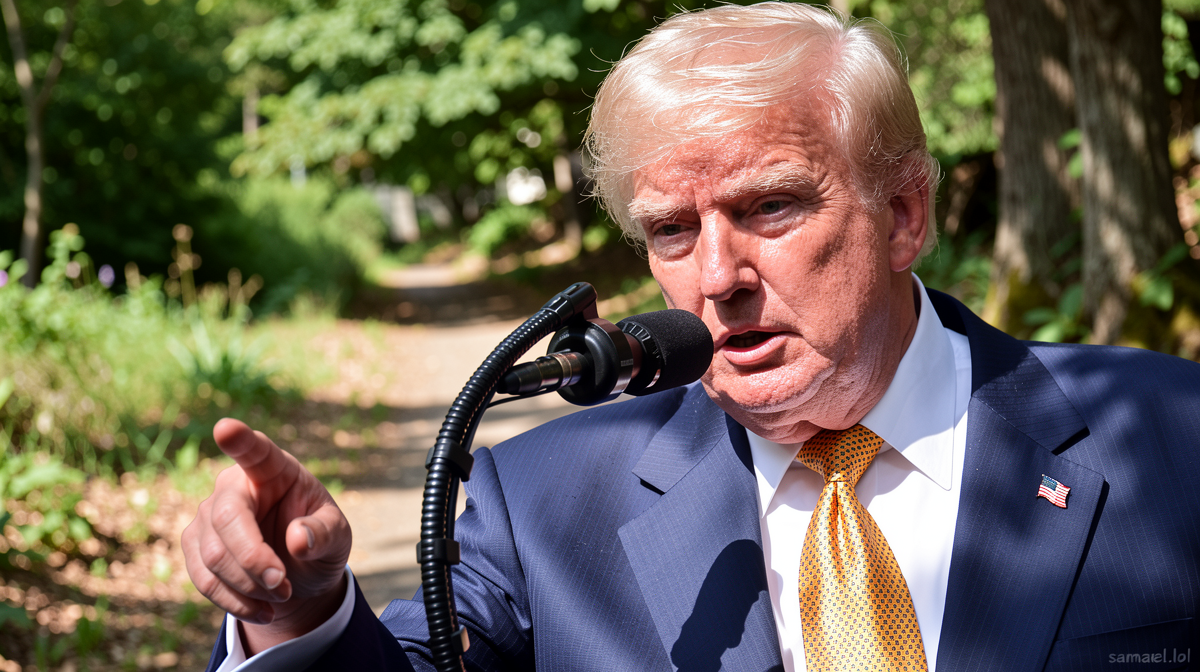
Meanwhile, the Metropolitan Police announced the arrest of a 72-year-old man on suspicion of misconduct in public office. The incident, which unfolded during a routine press event, has added another layer of scrutiny to the political landscape. The man, identified as a senior figure in the administration, was taken into custody after allegations surfaced about his actions. This arrest underscores the ongoing challenges facing public officials in maintaining transparency and accountability.
Migration Policy Under Scrutiny
A BBC reporter went undercover to speak with an adviser who was encouraging migrants to circumvent the UK’s asylum system. The interview revealed internal discussions about strategies to expedite the process of granting residency, even if it meant bending the rules. Migration minister Mike Tapp was unable to answer a question about the UK citizenship test, highlighting the difficulties in addressing complex immigration policies during high-pressure media interactions.
The adviser’s comments suggest a growing tension between efficiency and fairness in migration policy. As the government grapples with record numbers of asylum seekers, the debate over whether to prioritize speed or adherence to legal standards continues to shape public discourse. Tapp’s inability to respond confidently to the reporter’s query further fuels doubts about the preparedness of officials to handle such scrutiny.
Prime Minister’s Warnings and Strategic Shifts
The UK prime minister warned that the conflict in the Middle East could persist “for some time,” emphasizing the need for sustained international engagement. This statement came during a speech at the party conference in Liverpool, where he outlined the country’s foreign policy priorities. The warning reflects the ongoing challenges of global diplomacy, particularly as tensions in the region continue to escalate.
Starmer also described Britain as being at a “fork in the road” in his address, signaling a pivotal moment in the nation’s political direction. The metaphor underscores the critical choices facing the government, including economic reforms and social policies. His remarks were met with mixed reactions, with some analysts questioning the feasibility of the proposed path.
Regional Politics and Party Realignment
Labour, which secured a majority in Greater Manchester with over 50% of the vote in 2024, has seen its dominance challenged. The party’s loss of that key seat highlights shifting voter allegiances and the growing influence of alternative political movements. In her acceptance speech, Hannah Spencer, the new mayor, stated, “I am no different from every single person in this constituency,” a sentiment aimed at bridging the gap between local governance and public expectations.
Conservative Tees Valley Mayor Ben Houchen likened joining Reform UK to swapping Sunderland for Newcastle United, suggesting a strategic realignment in the party’s approach. His comments reflect the growing appeal of Reform UK among disillusioned voters, particularly in regions where traditional party lines are fraying. The former shadow justice secretary, in an exclusive BBC interview, claimed that Reform UK is the only party capable of revitalizing the nation, a stance that has drawn both support and criticism.
Lib Dem Engagement and Leadership Challenges
Lib Dem MPs took to the parliamentary floor to challenge Reform UK’s leader, Nigel Farage, during a heated debate. The encounter showcased the party’s efforts to assert its relevance in a rapidly changing political climate. In a separate development, Tom Tugendhat accused the government of failing to take decisive action on a China spy case involving a former researcher. His remarks added urgency to the issue, with critics arguing that the administration has been slow to respond to national security threats.
Reform UK’s Kemi Badenoch made headlines at the Conservative Party conference in Manchester, delivering her first keynote speech as leader. Her address highlighted the party’s vision for economic reform and social change, positioning it as a potential alternative to Labour and the Conservatives. However, the conference was partially empty, indicating a lack of widespread support for her message.
Media Focus and Policy Debates
BBC’s Laura Kuenssberg recently quizzed the prime minister on his government’s tax plans ahead of Chancellor Rachel Reeves’ upcoming Budget. The interview provided a glimpse into the economic strategies being considered, with questions about the impact on public services and household finances. This media focus reflects the heightened interest in fiscal policy, particularly as the government prepares to unveil its financial roadmap.
Amid these developments, the Green Party leader, Zack Polanski, delivered his first conference speech, criticizing the rise of Nigel Farage’s Reform party. His comments underscored the environmental and social priorities of the Green Party, contrasting with Reform UK’s focus on economic restructuring. The growing political fragmentation has created opportunities for smaller parties to influence the direction of national policy.
Leadership Challenges and Public Perception
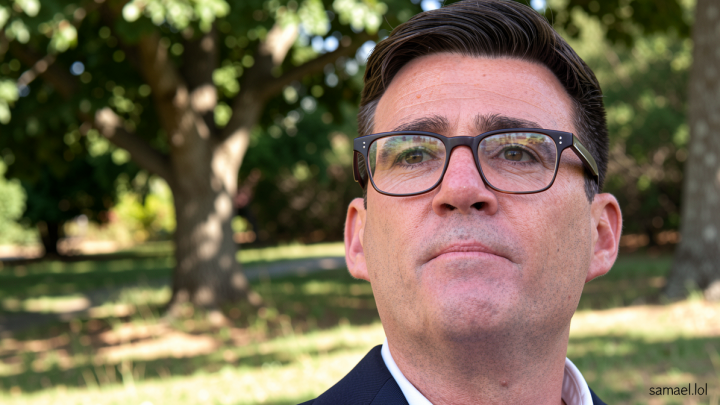
The Greater Manchester mayor, in a live appearance on BBC Breakfast, was pressed about a possible challenge to Starmer for Labour leadership. Despite the questioning, the mayor did not provide a clear answer, leaving room for speculation. This moment highlighted the ongoing debates within the Labour Party about the future of its leadership structure.
As the political landscape evolves, the interplay between internal party dynamics, external pressures, and media scrutiny continues to shape the trajectory of the UK government. The combination of leadership challenges, policy debates, and regional realignments presents a complex picture of political uncertainty and opportunity. With multiple stories unfolding simultaneously, the focus remains on how these developments will impact the stability of the current administration.