We are resilient
Samael.lol – The Islamic Center of San Diego, a vibrant hub for the local Muslim population, became the scene of a tragic shooting on Monday that left three lives lost and sparked widespread concern. The incident, which unfolded around 11:40 local time, began when Nawal A-Nouri received a WhatsApp alert about an active shooter at her daughter’s school. “I never thought it was an active shooter until the message came through,” she recounted to the BBC, describing her initial disbelief and the paralyzing shock that gripped her as she stood at home. Her husband, Omar Al-Nouri, a vascular surgeon in La Jolla, quickly joined her, rushing to the scene where the attack had taken place. The mosque, San Diego County’s second-largest, also serves as a primary school, and Omar was struck by the overwhelming police presence upon arrival. “I’m not doing so good,” he said, reflecting on the haunting image of shooters entering the school and the lingering fear that clings to his mind.
A Call for Unity Amid Grief
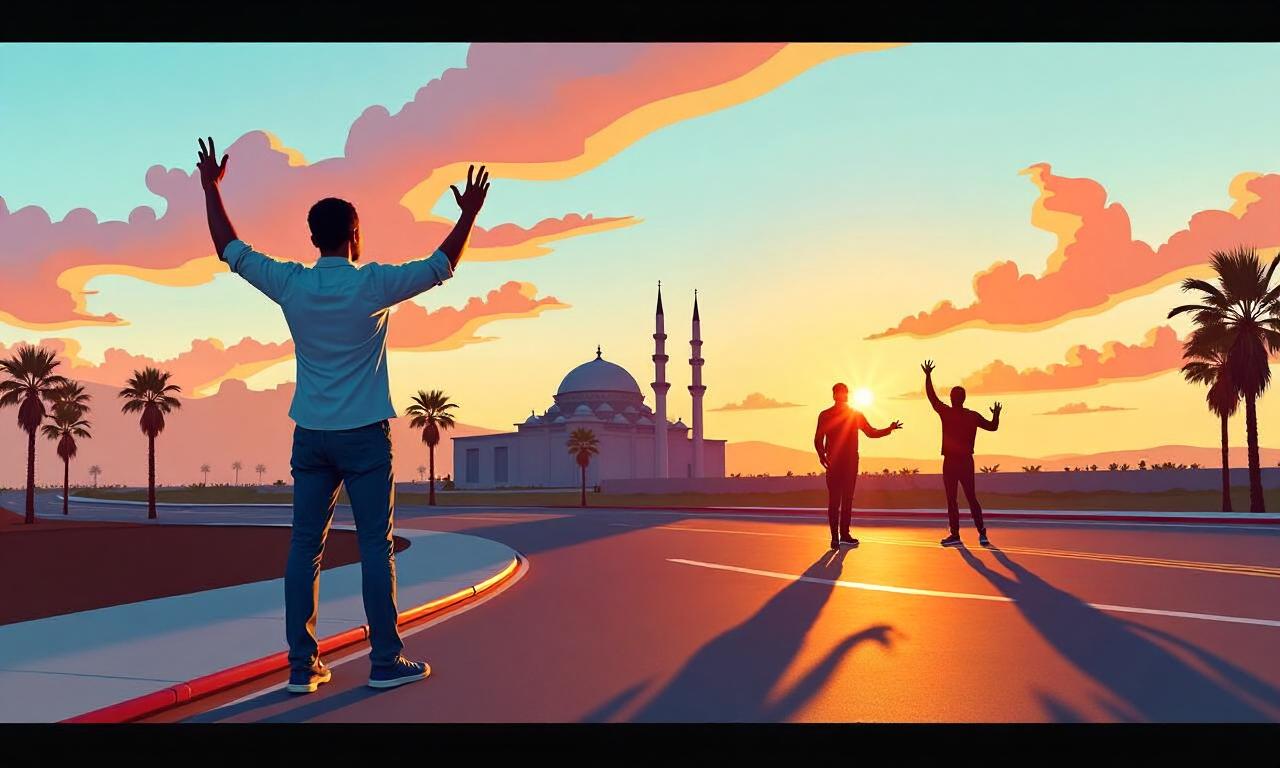
Despite the horror, the community’s response has been one of solidarity and determination. Thousands of Muslims from across California and the United States gathered for a public funeral prayer on Thursday, offering their support to the families of the victims. The event, held in a park near San Diego State University’s Snapdragon Stadium, became a moment of collective remembrance and resilience. Ali Alshahin, whose children attend the mosque’s school, described the scene as a source of comfort. “Together, under the bright California sun, we prayed Salat al-Janazah and honored those who gave their lives,” he told the BBC, noting how his children once affectionately called one of the victims “Uncle Policeman.” The tragedy has galvanized the community, reinforcing their commitment to standing against hate and celebrating the lives lost.
“Even if you anticipate the worst, you prepare for it—but you never expect it to happen,” said Tazheen Nizam of the San Diego chapter of the Council on American-Islamic Relations (CAIR). The organization, which is the largest Muslim civil liberties group in the U.S., emphasized the suddenness of the attack. “Nobody expected something of this gravity to take place,” she added, highlighting the vulnerability of the center, which had only one security guard and an open gate at the time.
The Islamic Center of San Diego, nestled in a quiet residential area adjacent to a bustling street, has long been a cornerstone for Muslims in the region. According to a Pew Research study from 2023-24, the Muslim community in the San Diego metro area constitutes less than 1% of the population, making the mosque a vital gathering place for diverse generations, including new immigrants, young families, and elderly members. Dr. Muhammad Rahman, a resident and father of two who attend the school, was at home when he learned of the attack. His children were on the playground during the shooting, and he described the emotional toll on parents. “We are all devastated. All praise be to Allah,” he said at the funeral prayers, crediting divine mercy for saving the children. He also expressed pride in the community’s strength, declaring, “We are strong. We are resilient. We will move forward.”
The Suspects and Their Radicalization
Authorities have identified the attackers as two teenagers, aged 17 and 18, who were motivated by a “broad hatred” and had been influenced by extremist ideologies online. Investigators discovered writings linked to the suspects that contained Islamophobic, anti-Semitic, and misogynistic themes. The FBI recovered 30 firearms and a crossbow from three residences associated with the teens, though their names have not been disclosed publicly. San Diego Mayor Todd Gloria classified the attack as a white-supremacist hate crime, stating it is being thoroughly examined to determine its broader implications.
While the attack resulted in three fatalities—including a security guard, a teacher’s spouse, and a cherished shopkeeper—the swift actions of staff and emergency responders helped save 140 children and staff members on campus. The incident underscores the importance of preparedness, with officials praising the coordinated efforts that minimized casualties. For many in the community, the tragedy has also become a catalyst for change. “No child should endure that—walk by dead bodies and blood,” said Ali Alshahin, a physician who grew up in San Diego and now works there. His words reflect a shared hope that the event will inspire nationwide efforts to address gun violence and protect vulnerable communities.
Embracing Resilience and Hope
The Islamic Center’s role as a community anchor has been reaffirmed in the wake of the attack. For Dr. Rahman, the mosque represents more than just a place of worship; it is a symbol of cultural continuity and intergenerational support. “The center is flanked by schools, a park, and places of worship,” he noted, describing the neighborhood’s blend of religious and secular spaces. “It’s where we find connection, purpose, and belonging.” This sense of unity has been evident at the funeral prayers, where attendees have not only mourned the victims but also pledged to honor their legacy through collective action.
As the community processes the tragedy, the resilience of its members has become a defining feature. “We are the reason my kids are alive today,” Ali Alshahin told the BBC, speaking of the three victims who were killed during the attack. The loss of Amin Abdullah, Nadir Awad, and Mansour Kaziha has left an indelible mark, yet their memory fuels a determination to persevere. The incident has also highlighted the broader challenges faced by Muslims in the U.S., particularly in regions where their presence is small but impactful. “This isn’t just about one mosque—it’s about the entire community coming together,” said Tazheen Nizam, echoing the sentiment of many who have rallied to condemn the hate that led to the violence.
In the days following the shooting, the Islamic Center has become a focal point for both mourning and hope. The community’s ability to unite in the face of adversity has been a powerful testament to their strength. As the investigation continues, the focus remains on ensuring that the tragedy spurs meaningful change. “We will move forward,” Dr. Rahman affirmed, his voice steady despite the grief. “That is our strength as a community—and it will make us stronger.”