White House Gunman’s Past with Secret Service Exposed
Samael.lol – Nasire Best, the individual who opened fire near the White House, had a documented history of encounters with the Secret Service, as revealed by court records. The suspect, identified by Washington DC Metropolitan Police, was arrested in June 2025 for blocking a designated entry lane, an incident that triggered further investigation into his behavior. During this time, Best reportedly claimed to be Jesus Christ, prompting agents to assess his mental state. The connection between his prior actions and the recent attack has raised questions about the effectiveness of security protocols and the importance of monitoring individuals with a history of erratic behavior.
Timeline of Previous Interactions
Best’s history with the Secret Service began in June 2025 when he obstructed a White House entry point. This incident led to his referral for a psychiatric evaluation, where he expressed a desire to be arrested, hinting at possible intentions or mental instability. Despite the assessment, his behavior continued, culminating in another unauthorized attempt to access the White House in July 2025. Secret Service agents detained him, charging him with unlawfully entering a federal property. His subsequent failure to attend a status hearing in August 2025 resulted in a no-bond bench warrant, underscoring the agency’s growing concern over his activities.
The White House gunman’s actions were not isolated but part of a pattern of incidents that highlighted his familiarity with the premises. The Secret Service’s prior interactions with Best suggest a history of disruptions, yet the agency’s response was swift and decisive when he launched the attack. This sequence of events raises the question of whether increased oversight could have prevented the tragedy, emphasizing the need for continuous evaluation of potential threats.
Shooting Incident and Immediate Response
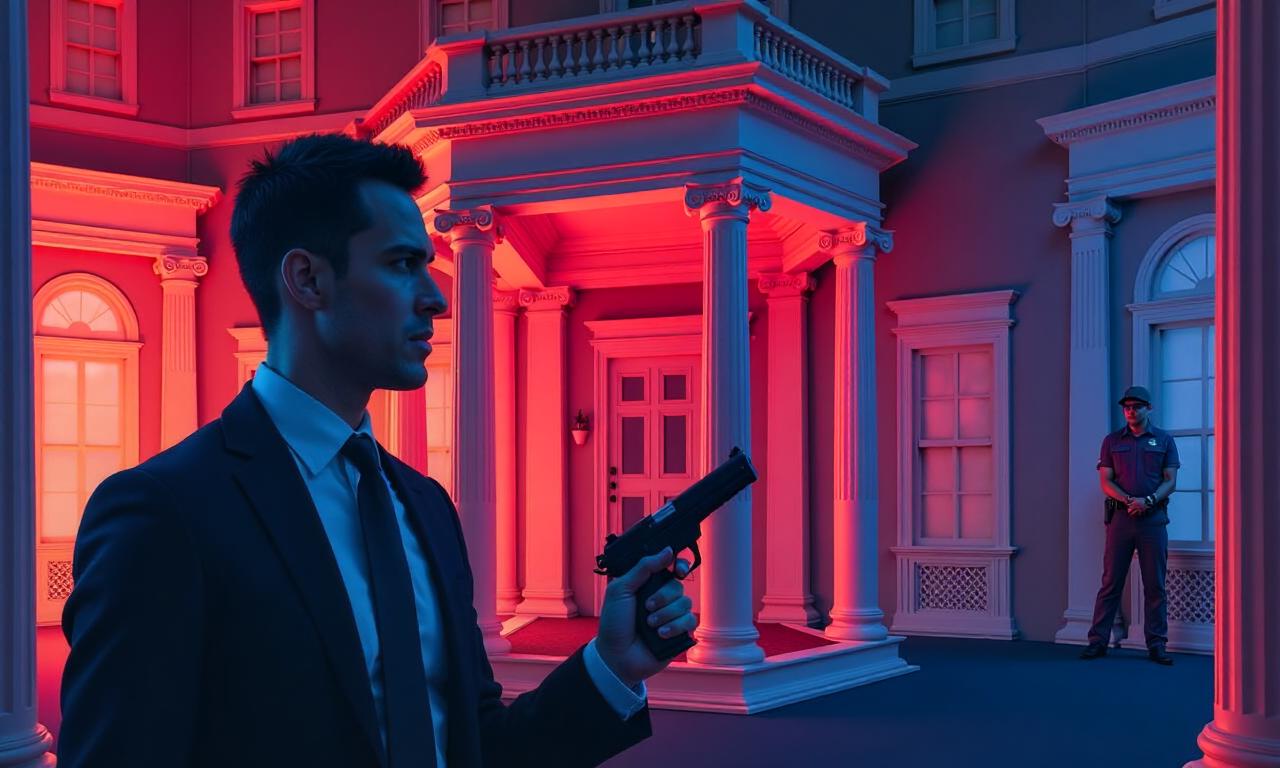
Less than a year after his last encounter with Secret Service agents, Best reappeared near the White House on Saturday, targeting a security checkpoint. The attack occurred at the intersection of 17th Street and Pennsylvania Avenue NW, close to the Eisenhower Executive Office Building. Secret Service officers responded instantly, neutralizing the threat with gunfire. Best was fatally wounded, and a civilian was also injured, though the Secret Service has not yet released details about the individual’s condition.
The shooting took place just a month after a gunman attacked the White House Correspondents’ Dinner, forcing President Donald Trump’s evacuation. This recent incident has reignited discussions about the vulnerabilities of high-profile locations and the role of mental health assessments in identifying risks. The White House gunman’s ability to approach the checkpoint despite prior interactions with the Secret Service has sparked debates about security lapses and the need for enhanced monitoring systems.
Public Reaction and Security Implications
President Trump praised the Secret Service for their prompt response to the attack, calling it a demonstration of their professionalism. In a social media post, he stated,
“Our Secret Service and Law Enforcement did an excellent job in neutralizing the threat quickly.”
This acknowledgment highlights the administration’s focus on security measures, even as concerns about the gunman’s prior behavior remain.
Experts suggest that Best’s repeated attempts to breach the White House perimeter may indicate a calculated strategy to test security or execute a targeted attack. His claim of being Jesus Christ during an earlier incident raises the possibility that his actions were influenced by a psychological motive. The case underscores the importance of integrating mental health evaluations with standard security protocols to mitigate risks to presidential targets. As the Secret Service reviews the incident, the question remains: how many previous interactions were enough to prevent this tragedy?