Wrongly jailed Malkinson tells BBC: ‘I’ve been cheated, very badly cheated’
A 20-Year Struggle for Justice
Samael.lol – Andrew Malkinson, now 60, shared his emotions with the BBC during a recent interview, revealing a mix of relief and lingering anger after the man he was wrongly convicted of raping was finally found guilty. The conviction of Paul Quinn, who took the blame for the 2003 attack in Greater Manchester, marked the culmination of a long and arduous legal battle. Malkinson, who spent over 17 years in prison, described the experience as one of the most severe miscarriages of justice in British history. His journey through the criminal justice system had been marked by years of uncertainty, and the final resolution brought both catharsis and a sense of injustice.
During the interview with the BBC’s Shadow World: Stolen Years podcast, Malkinson reflected on the impact of his wrongful imprisonment. “I’ve been cheated, very badly cheated,” he said, emphasizing the emotional toll of carrying the burden of guilt for two decades. The relief he felt was tempered by the realization that he had endured suffering for both himself and the victim, whose story had been overshadowed by his own trial. Malkinson admitted to being grateful that the authorities had finally identified Quinn as the true perpetrator, but the anger of being blamed for so long remained a constant undercurrent.
“I wonder how she’s feeling now?” Malkinson mused, referring to the victim. He noted that the case had been a quarter of a century of pain for both of them, a period during which he was treated as the sole culprit despite the absence of any DNA evidence linking him to the crime.
Quinn’s Conviction and the Evidence
Paul Quinn, a registered sex offender, was convicted of the brutal attack that occurred on 19 July 2003, when the victim—a young mother—was assaulted while walking home through Salford. The assault involved severe beating, biting, and a fractured cheekbone, followed by strangulation and rape. The conviction was secured after DNA from Quinn’s saliva was found on a vest the victim wore during the attack, and in 2023, additional evidence emerged when his DNA was also recovered from a medical instrument used during the examination. This new discovery helped confirm Quinn’s guilt, as it was previously untested.
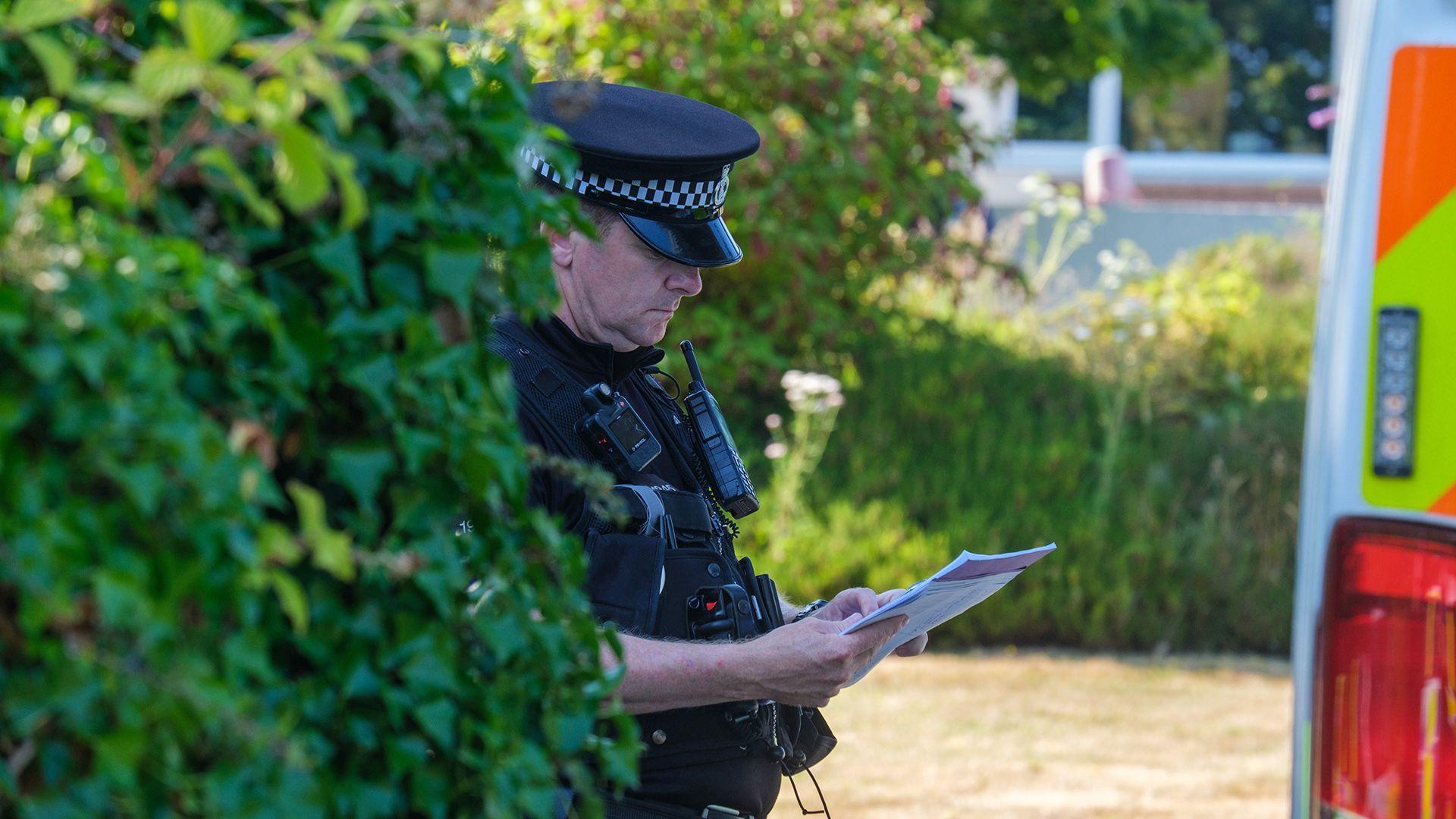
Quinn’s sentencing is scheduled for 5 June, and the case has reignited scrutiny of the police’s handling of the original investigation. DC Jim Partington, representing the Greater Manchester Police (GMP), stated that the force is examining unsolved cases from the past, with Quinn potentially linked to several others. “There’s a likelihood other victims exist,” Partington remarked, noting that three crimes spanning from 2003 to 2010 have been thoroughly reviewed. The focus now is on whether Quinn’s extreme violence in this case indicates a pattern of offenses.
Police Procedures Under Scrutiny
The police’s role in Malkinson’s wrongful conviction is being investigated by the Independent Office for Police Conduct (IOPC), the official complaints watchdog. The inquiry will assess whether officers followed proper protocols during the identification parade that led to Malkinson’s arrest. It will also examine if witnesses were influenced by incentives or if critical information was withheld, hindering Malkinson’s defense. The handling and disposal of evidence, including the medical instrument, are key areas of concern, as they played a pivotal role in the case’s resolution.
During the recent trial, the court revealed that the victim had expressed doubt about Malkinson’s guilt after seeing him in person during the 2004 proceedings. She told the court she was nervous and had been reassured by an officer that her uncertainty was normal. “It was fine for the trial to go ahead,” she said, indicating she felt pressured to support the case despite her initial hesitation. This testimony highlighted the potential for misjudgment when the victim’s statements were not fully explored before the trial.
A New Chapter in Malkinson’s Life
Since his release in 2020, Malkinson has been working to rebuild his life, a process that has been chronicled in the BBC Radio 4 podcast series. The show follows his efforts to reclaim his identity and find closure after years of incarceration. “I’m extremely curious about why my life was upended,” he said, expressing his desire to understand the systemic failures that led to his conviction. Malkinson noted that knowing the truth, rather than relying on assumptions, allows him to process his experience and move forward.
While the conviction of Quinn is a major victory, Malkinson’s fight for justice is far from over. A judge-led inquiry is currently underway to determine the reasons behind his wrongful conviction, with its findings set to influence his claim for compensation. The inquiry has already revealed significant shortcomings in the police’s handling of the case, including the failure to disclose evidence that could have exonerated him. The Criminal Cases Review Commission, which previously rejected his appeal, has also faced criticism in an independent report that detailed a range of procedural errors, such as ignoring new DNA evidence when it became available.
The Path to Redemption
As Malkinson continues to navigate the aftermath of his ordeal, he remains focused on seeking justice for himself and others who may have been similarly wronged. The police identity parade, which initially placed him as the prime suspect, is now under review to determine if it was a reliable method of identification. The GMP’s actions, along with those of six officers, will be evaluated to assess their role in the case’s misdirection. The inquiry is expected to provide clarity on whether the evidence was properly managed and if the victim’s testimony was accurately represented.
For Malkinson, the case represents more than just personal redemption—it’s a reflection of broader issues within the justice system. He emphasized the importance of transparency and the need for institutions to take responsibility for their mistakes. “If the truth is objective, then it’s a starting point for healing,” he said, highlighting his determination to ensure that his story is not just a footnote in history but a catalyst for change. With Quinn’s sentencing approaching, Malkinson’s focus remains on the next steps in his legal journey, as he awaits the final conclusions of the inquiry that could shape his future.
A Legacy of Wrongful Conviction
The case of Andrew Malkinson has become a symbol of the flaws that can exist in the British legal system. His 17-year imprisonment for a crime he did not commit has drawn attention to the reliance on eyewitness testimony and the lack of DNA evidence in critical decisions. The Crown Prosecution Service’s acknowledgment of Quinn’s DNA in 2023 was a turning point, but the Court of Appeal’s findings further exposed the oversight in the original trial. These revelations have not only validated Malkinson’s claims but also prompted calls for reform in how evidence is presented and scrutinized.
As the GMP faces further scrutiny, the case serves as a reminder of the human cost of systemic failures. Malkinson’s experience underscores the importance of re-examining past convictions, especially when new evidence emerges. His story continues to resonate, offering hope to others who may still be fighting for their freedom. “I can process the truth now,” he said, expressing a renewed sense of purpose. “It’s not just about me—it’s about ensuring that no one else suffers the same fate.” With the inquiry’s findings pending, the next phase of his journey will determine whether the justice system can truly make amends.