32 and Counting – Why Are Women Overlooked for French Open Night Matches?
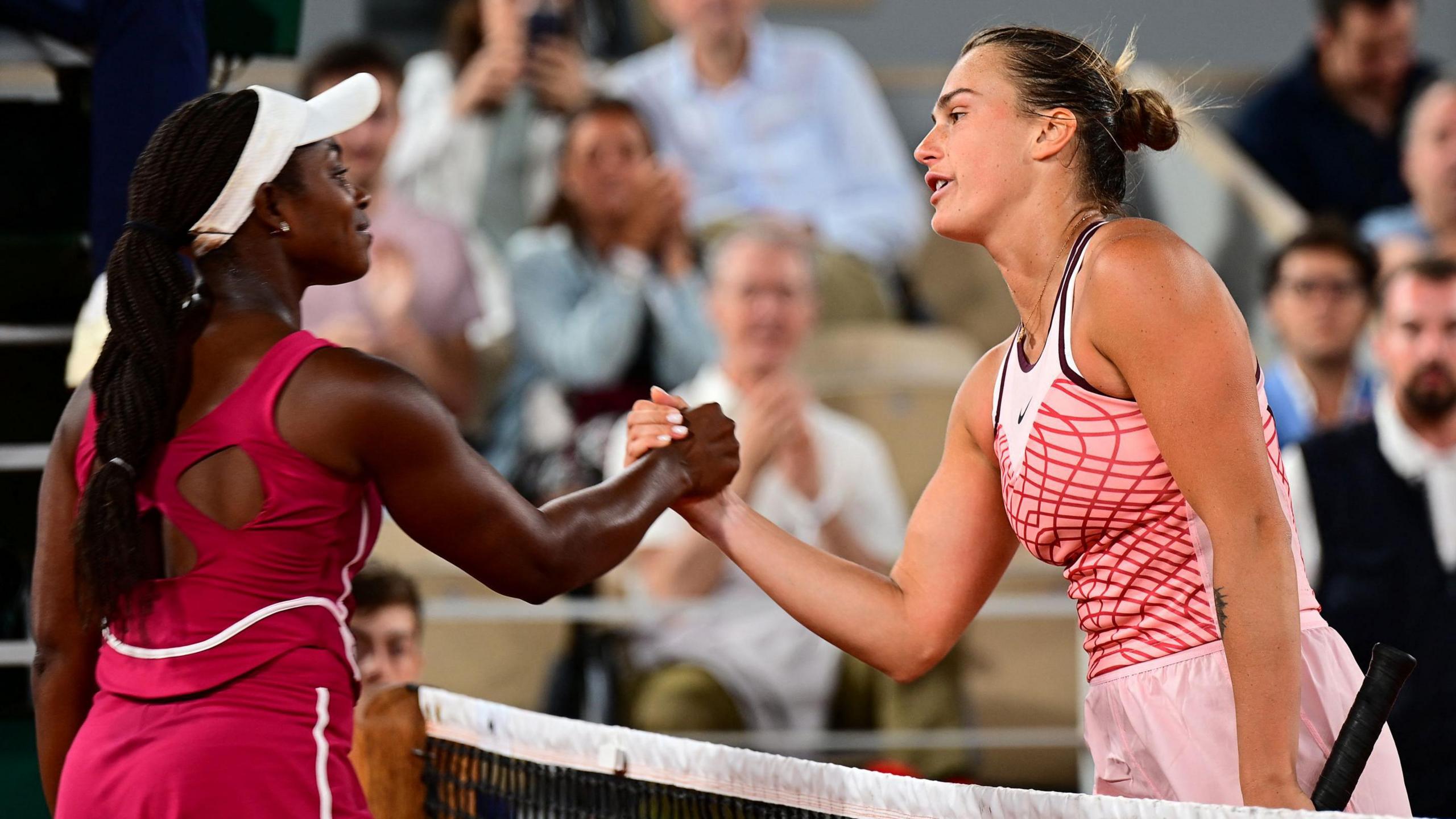
Samael.lol – The absence of a women’s match in the French Open’s prime-time schedule has now reached 32 consecutive sessions. Since Sloane Stephens’ third-round defeat to Aryna Sabalenka in 2023, the night slots have been exclusively reserved for men’s matches. This pattern has persisted despite growing calls from players and fans for greater visibility of women’s tennis during evening hours. While the men’s matches have taken center stage, the women’s game has been relegated to daytime sessions, raising questions about gender equity in the sport’s most iconic tournament.
At the heart of the issue lies the scheduling of the night matches, which are designed to draw the largest possible audience across France, Europe, and the United States. Over the last 32 prime-time slots, the men’s matches have dominated, leaving the women’s games untouched. This has sparked conversations about whether the tournament’s organizers are prioritizing men’s tennis at the expense of its female counterpart. The lack of change has been particularly noticeable in recent years, with even top players expressing frustration over the disparity.
The Debate Over Night Matches
Naomi Osaka, a four-time Grand Slam champion, highlighted the issue in 2023 when she remarked that she “did not even associate” the French Open with night matches. Her comments echoed concerns raised by other players, including Jessica Pegula, the American world number five. Last year, Pegula described the situation as feeling like “hitting her head against the wall,” emphasizing the struggle to secure a spot in the evening sessions. Similarly, Ons Jabeur, a two-time Wimbledon finalist, questioned whether the decision-makers behind the schedule had “daughters” to consider, suggesting a lack of empathy for women’s needs.
Chantal Jouan, the tournament director, has long defended the scheduling choices, arguing that the men’s matches offer a more engaging experience for audiences. However, the ongoing debate has prompted the WTA to take action. Valerie Camillo, the newly appointed chief executive of the Women’s Tennis Association, has sought clarity from French Open director Amelie Mauresmo, a former women’s world number one. Their meeting at Roland Garros this week marked a significant step in addressing the imbalance, as Camillo emphasized the women’s game’s potential to captivate global audiences.
Women’s Perspective on Night Matches
Jelena Ostapenko, the 2017 French Open champion, has been one of the few women to play in the night session. Her 2022 second-round match against Alize Cornet, held under the lights, was a rare exception. Ostapenko has since advocated for more women’s matches during prime time, stating that the men “always have the priority with the scheduling” and “take the most popular slots” on larger courts. She believes that the night sessions should highlight the women’s game, particularly when the stadiums are full, as it provides a unique atmosphere for both players and spectators.
“I like to play at night,” Ostapenko said to BBC Sport. “Especially when the stadiums are full. I’m the kind of player that really enjoys it when there are a lot of fans watching and I think that’s what we all play for.” Her sentiment reflects a broader desire among female athletes for greater recognition and opportunity. Yet, despite these voices, the French Open has remained steadfast in its current approach, with no indication of a shift in priorities. The tournament’s focus on men’s matches has been a consistent theme, even as pressure from players, the WTA, and external broadcasters mounts.
The rationale for the men’s dominance in night matches often revolves around the pace of play. Amelie Mauresmo, the French Open’s tournament director, has argued that the risk of women’s matches “going really fast” is a key factor in the scheduling decisions. With ticket prices ranging from €60 to €280 (£50 to £240), organizers claim that shorter two-set women’s matches do not justify the cost of late-night events. Mauresmo has also insisted that the night sessions will not be expanded to include two matches per hour, as seen at the Australian Open and US Open, fearing that the added time might dilute the overall experience.
This reasoning has faced scrutiny from critics who argue that the women’s game has grown in popularity and should be given equal billing. Valerie Camillo’s push for change, following her meeting with Mauresmo, underscores the WTA’s growing concern. “Women’s players have delivered some of the most exciting and dynamic competition in global sport,” Camillo stated, urging the French Open to reconsider its approach. However, the tournament’s commitment to its traditional format remains strong. Even last year, when the stakes were high and the pressure to adapt was palpable, the French Open held firm to its scheduling choices.
The upcoming final weeks of the tournament add another layer to the discussion. The defending champion, Coco Gauff, faces challenges in her bid to reclaim the title, while the men’s side features notable matches, including a potential clash between world number one Aryna Sabalenka and Naomi Osaka in the last 16. Osaka, though not directly involved in the scheduling debate, hinted at the perception that night matches are reserved for “popcorn matches”—events designed to generate instant excitement rather than deep engagement. This could imply that the women’s game, despite its quality, is not yet seen as a priority for the late slots.
Yet, the absence of women’s matches in the night session has not gone unnoticed. Fans and analysts alike have questioned the lack of representation, especially as the women’s game continues to evolve. With players like Iga Świątek and Coco Gauff leading the charge, the tournament’s ability to showcase these stars in prime time could redefine its appeal. The current setup, however, leaves room for doubt about whether the French Open will embrace this opportunity.
The debate is far from new, but the lack of progress has frustrated many. While the men’s matches have taken the spotlight, the women’s game has not received the same level of attention. This has led to calls for a reevaluation of the scheduling model, with some suggesting that the night sessions could be a platform for women’s tennis to gain more traction. As the tournament reaches its climax, the question remains: will the French Open finally acknowledge the need for change, or will the night matches remain a male-dominated domain for years to come?
A Call for Change
Valerie Camillo’s engagement with Amelie Mauresmo signals a possible turning point. The WTA executive has positioned herself as a champion for women’s tennis, advocating for a more balanced approach to scheduling. “I hope it will change,” Ostapenko reiterated, even if the shift doesn’t directly involve her. Her words underscore the collective hope of the women’s game, which has shown its capacity to draw massive crowds and create memorable moments. As the French Open continues to be a major stage, the opportunity to elevate the women’s matches during prime time could not only enhance their visibility but also inspire a new generation of fans.
While the current structure favors the men’s side, the women’s game deserves its share of the spotlight. The absence of women’s matches in the night session has created a void in the tournament’s schedule, one that could be filled by showcasing the sport’s stars in the most impactful hours. With the French Open’s reputation as a premier event, the decision to prioritize men’s matches may soon be seen as outdated. The time is ripe for a reevaluation, and the voices of the players and their supporters are growing louder. Will the French Open finally recognize that the women’s game is more than capable of holding its own in the evening hours? Only time will tell.