
Clarke steps down as Scotland boss after World Cup exit
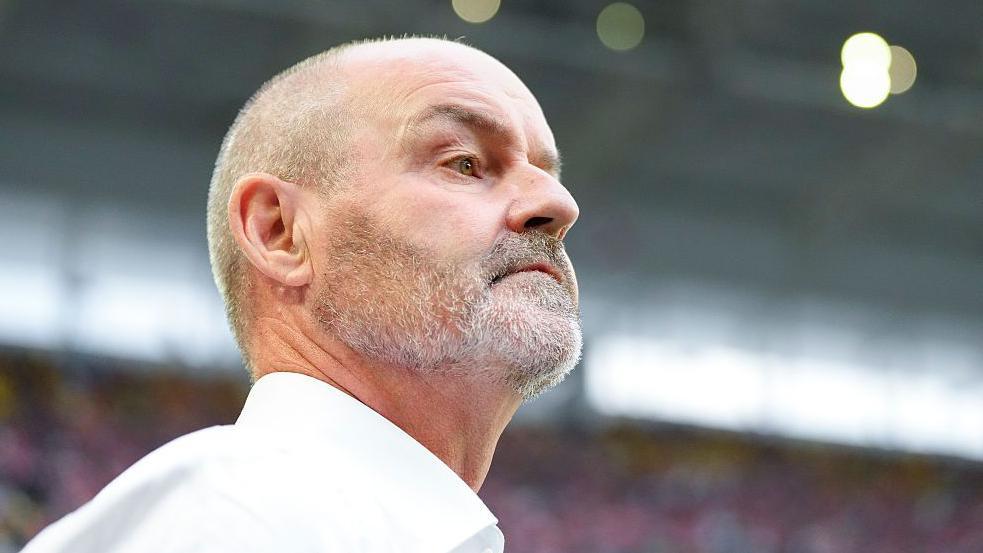
Clarke Steps Down as Scotland Boss After World Cup Exit
Clarke steps down as Scotland boss – Steve Clarke has resigned as head coach of the Scotland national team following their elimination from the World Cup. The Scottish Football Association (SFA) confirmed his departure shortly after Croatia secured a 1-0 victory against Ghana, ending Scotland’s hopes of advancing beyond the group stage. The news came as a surprise to many, especially given the timing of the announcement and the recent progress the team had made during the tournament.
Clarke, who assumed the role of Scotland’s coach in May 2019, was in the final stages of a four-year contract when he decided to step down. The players were informed of the decision on Saturday, just hours after the decisive match against Brazil, while the team remained at their Charlotte base. This abrupt exit has left fans and analysts reflecting on a seven-year tenure that saw Scotland qualify for their first major tournament since the 1998 World Cup.
A Journey of Progress and Promise
Clarke’s reign began with the ambitious goal of restoring pride to Scotland’s footballing reputation. Since taking charge, the team has achieved notable milestones, including qualifying for the European Championships and securing a place at this year’s World Cup. However, the campaign in Qatar has been marked by mixed results, with the squad struggling to maintain consistency throughout the group stage.
Scotland’s journey in Group C started with a 1-0 win against Haiti in Boston, a positive start that gave hope for a strong campaign. Yet, they followed this with a 1-0 loss to Morocco in the same city, and later faced a 3-0 defeat by Brazil in Miami. These outcomes left the team with slim chances of progressing, relying on the performance of other teams to determine their fate. Despite a commendable effort, the pressure proved too much, and Scotland’s dream of reaching the last 32 was extinguished in the final moments of the group stage.
“The most emotional part of this goodbye is for my players, without whom we wouldn’t have had any of the memories that we’ve accumulated from 2019 until now,” said Clarke. “They deserve all the praise and adulation that they receive and it was truly an honour to be called their gaffer. Thanks for having me and good luck to my successor.”
The decision to leave was not made lightly, as Clarke had recently signed a new contract extension, signaling his commitment to the team. The timing of the resignation, just a month after the deal, has sparked debate about the reasons behind his departure. Some speculate that the team’s underwhelming performance in the World Cup, despite initial optimism, may have influenced his choice.
A Mixed Tournament Performance
Scotland’s World Cup campaign was characterized by moments of brilliance and setbacks. Their early win over Haiti provided a glimmer of hope, but subsequent matches against Morocco and Brazil exposed vulnerabilities in both defense and midfield. The team’s fate hinged on a combination of results, and while they were positioned to compete for a spot among the eight best third-placed teams, defensive errors in the Brazil clash dashed those aspirations.
Clarke’s departure has also highlighted a shift in his public persona. Known for his serious demeanor in the past, he showcased a lighter, more humorous side during press conferences, which some fans appreciated. This change in style may have reflected his approach to managing the emotional toll of the tournament, but it also raised questions about his leadership during critical moments.
Legacy and Future of Scottish Football
Despite the World Cup exit, Clarke’s seven-year tenure has been seen as a significant step forward for Scottish football. The SFA chief executive, Ian Maxwell, praised his contributions, noting that the team has transformed from a struggling side in 2019 to a competitive force in international football. “From starting as a pot four team in 2019 to topping our World Cup qualifying group, he has more than delivered on the remit to take Scotland back to a major tournament,” Maxwell stated.
Maxwell emphasized the progress made under Clarke’s guidance, even as the team faced disappointment in Qatar. “While we are all disappointed to have exited the World Cup at the group stage, we must not lose sight of the undeniable progress made during Steve’s seven years in charge,” he added. “His record-breaking contribution has left a lasting impact, and Scotland supporters will be thankful for the memories of marching with pride at major tournaments once again.”
The end of Clarke’s era has been described as a “sorrowful” conclusion to Scotland’s World Cup story. His resignation letter, which included the catchphrase “Bye-bye, Scotland!” and a farewell to the Tartan Army, has captured the mixed emotions of the fans. While some are stunned by the abrupt exit, others recognize the necessity of change after a challenging tournament.
The search for Clarke’s successor has already begun, with the SFA expected to unveil a new coaching candidate in the coming weeks. Fans are now eager to see who will take over the mantle of leading Scotland into the next phase of international competition. As the spotlight shifts to the new manager, the legacy of Clarke’s tenure will be remembered for its resilience and the foundation it laid for future success.
World Cup Fixtures and Group Standings
Scotland’s group stage fixtures included matches against Haiti, Morocco, and Brazil, with their results determining their path forward. The team’s performance in these games has been a focal point of discussion, particularly the defensive lapses that cost them crucial points. The group standings, which were tightly contested, ultimately led to their elimination, marking the end of a journey that had begun with high expectations.
How to Watch the World Cup on the BBC
For those interested in following the World Cup, the BBC offers comprehensive coverage, including live matches, analysis, and updates. Fans can access all the action through BBC Sport, ensuring they stay informed about the tournament’s developments. The SFA’s decision to announce Clarke’s resignation so soon after the group stage has also drawn attention to the importance of media in shaping the narrative around Scottish football.