DR Congo Players Told to Isolate Before World Cup
Group K Assignments and Health Precautions
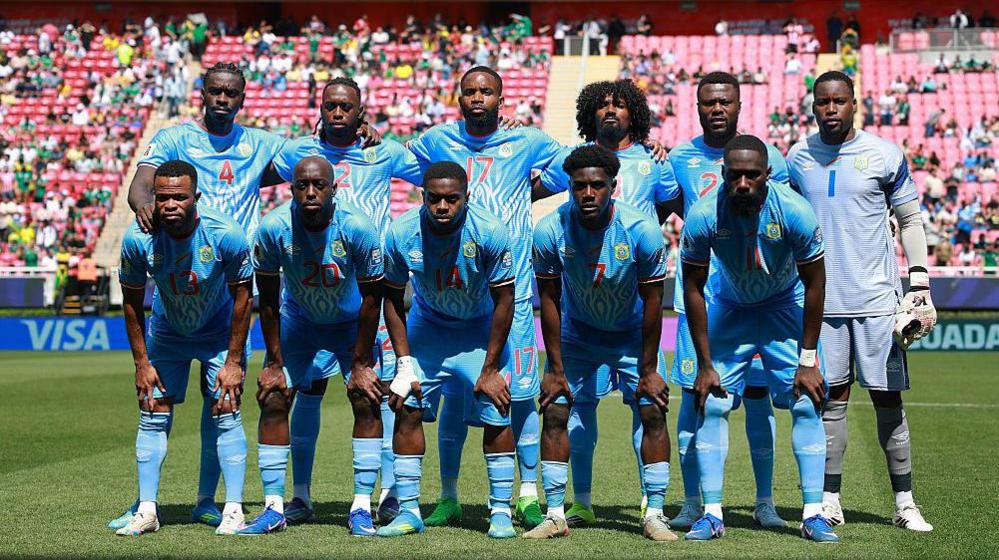
Samael.lol – The Democratic Republic of the Congo (DRC) has been placed in Group K for the upcoming World Cup, which includes Portugal, Colombia, and Uzbekistan. This arrangement comes amid heightened health concerns following the Ebola outbreak, prompting strict measures to safeguard the team’s participation. The DRC’s World Cup squad has been instructed to undergo a 21-day isolation period before they can enter the United States, a decision made in response to the virus’s spread in the region.
Originally scheduled to train in Kinshasa, the DRC’s preparation camp was abruptly canceled due to the public health threat. As a result, the team is now based in Belgium, where they are adapting to new protocols to minimize exposure. Andrew Giuliani, executive director of the White House Task Force for the World Cup, emphasized the importance of these measures, stating that the squad must maintain a “bubble” environment to ensure their safety and readiness for the tournament.
“They need to maintain that bubble or they risk not being able to travel to the United States. We cannot be any clearer,” Giuliani told ESPN.
Giuliani’s remarks highlight the strictness of the guidelines imposed by the Centers for Disease Control and Prevention (CDC). The CDC has issued a ban on entry for non-Americans who have visited the DRC, Uganda, or South Sudan within the past 21 days. This directive is part of broader efforts to prevent the virus from spreading across borders during the global sporting event. While the DRC’s players are already stationed abroad, the isolation period ensures they meet the criteria for safe travel into the US, where the tournament will take place.
Global Health Assessments and Risk Management
The World Health Organization (WHO) recently elevated the public health risk from the Ebola outbreak in the DRC from “high” to “very high,” underscoring the severity of the situation. Dr. Tedros Adhanom Ghebreyesus, WHO’s director-general, noted that while the risk within the African region remains significant, it is still classified as “low” on a global scale. This assessment has influenced the CDC’s decision to enforce the 21-day quarantine rule for individuals traveling from affected areas.
“The risk in the wider region in Africa is ‘high,’ but it remains ‘low’ globally,” Ghebreyesus stated.
The isolation requirement has created logistical challenges for the DRC team, as their training camp in Belgium serves as a critical phase for building team cohesion and strategy. With the original location in Kinshasa no longer viable, the team has shifted its focus to the European country, where they will remain under strict health surveillance. This change also allows for greater flexibility in managing potential outbreaks among players or staff.
Upcoming Matches and Tournament Timeline
Before the World Cup begins, the DRC is set to face friendlies against Denmark on June 3 and Chile on June 9. These matches will take place in Belgium and Spain, respectively, providing the team with valuable preparation time. The World Cup itself runs from June 11 to July 19, with the DRC’s opening game scheduled against Portugal on June 17. This timing is crucial, as the team must ensure they are fully prepared for the intensity of international competition.
Giuliani reiterated the necessity of maintaining the isolation bubble, warning that any breach could jeopardize the team’s ability to compete. “If there are other people that are going to be coming in, they need to have a separate bubble from that team,” he explained. This means not only the players but also their support staff, coaches, and medical personnel must adhere to the same protocols to prevent cross-contamination.
While the DRC players are unaffected by the CDC’s restrictions, the team’s focus on the “bubble” approach reflects the cautious stance of global health authorities. The decision to relocate training to Belgium was made to balance the need for preparation with the risk of exposure. This move has also allowed the team to work with local facilities and experts, enhancing their readiness for the challenges ahead.
Impact on Team Dynamics and Travel Logistics
The isolation requirement has added layers of complexity to the team’s schedule, requiring careful coordination of travel and quarantine arrangements. Players based outside the DRC, who were already on the move, now face an extended period of separation from their home country. This not only affects their physical training but also their mental preparation, as they must adjust to a new environment without the usual support systems.
Giuliani’s emphasis on the “bubble” underscores the urgency of preventing any potential spread of the virus. If a player or staff member shows symptoms during the isolation period, the entire team could be forced to delay their journey to the US, disrupting the tournament’s timeline. The situation highlights the delicate balance between ensuring player safety and maintaining the momentum of the World Cup, which is a major international event with high stakes for all participating nations.
As the DRC prepares for its World Cup campaign, the team’s focus remains on executing their plans while adhering to the stringent health protocols. The decision to isolate for 21 days reflects a proactive approach to mitigate risks, demonstrating how public health crises can influence even the most high-profile sporting events. With the opening game against Portugal looming, the squad must continue their training without interruption, relying on the stability of the Belgium-based bubble to achieve their goals.
The WHO’s updated risk assessment and the CDC’s travel restrictions have created a ripple effect across the football world. While the DRC’s players are not directly impacted by the CDC’s rule, the broader implications of the outbreak remind teams of the importance of health preparedness. The DRC’s situation also serves as a case study for how international sports organizations adapt to unforeseen challenges, ensuring that the World Cup can proceed without major disruptions.