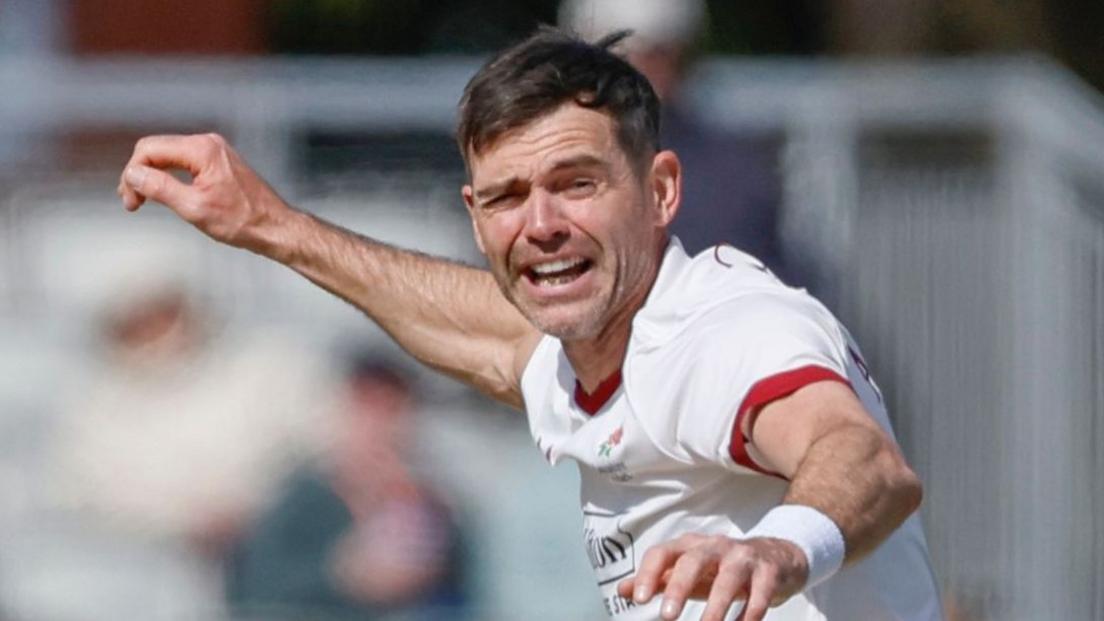
England Calls for Robinson, Gay, Rew & Baker
Samael.lol – England has made a significant move in reshaping its Test squad for the upcoming series against New Zealand, bringing back Ollie Robinson after a two-year hiatus and including three uncapped players—Emilio Gay, James Rew, and Sonny Baker—for the first Test at Lord’s starting on 4 June. The decision marks a strategic shift for the team, which aims to rejuvenate its pace bowling attack following the retirements of key figures like Stuart Broad, James Anderson, and Chris Woakes. Sussex seamer Robinson, 32, returns to the fold, offering leadership and experience in a department that has seen several departures in recent years.
Meanwhile, opener Zak Crawley faces the prospect of missing the first Test, a consequence of his underwhelming performance during the Ashes campaign. Crawley’s exclusion is a clear indication of the team’s desire to address their batting woes, particularly in the opening position. His 4-1 defeat in Australia has left England’s selectors searching for a more reliable opener, with the choice now falling to Durham’s Emilio Gay, 26. Gay’s specialist role as a left-handed opener gives him an edge over James Rew, 22, who, despite his 12 first-class hundreds, is likely to wait in the middle order for now.
Robinson’s return is particularly noteworthy, as his inclusion adds a seasoned presence to the attack. The seamer, who previously secured his 20 Test caps against India in 2024, is expected to play a pivotal role in Lord’s. His 76 wickets at an average below 23 from 20 matches have long positioned him as a potential successor to Anderson and Broad, but his recent struggles with fitness, including back injuries in his final two Tests, led to his drop. This has now been rectified as England looks to harness his talent for the upcoming series.
Spinners and New Talent in the Squad
The squad also features Shoaib Bashir, who has been sidelined for the entire Ashes series but is now included to compete for the spinner’s spot alongside Rehan Ahmed. Ahmed, a leg-spinner, could make his debut in a home Test, marking a fresh chapter for the team’s spin department. In addition to these developments, Sonny Baker, a young talent with a strong start to the season for Hampshire, has been called up to bolster the pace attack. His inclusion signals England’s interest in developing emerging players, especially in formats where he has shown promise.
Australian Marcus North has been appointed as England’s new national selector, succeeding Luke Wright, who stepped down after the Ashes. North’s appointment is a landmark moment, as he becomes the first foreigner to chair the selection panel. His role will be crucial in determining the team’s approach to the New Zealand series, particularly in addressing the attack’s rebuilding phase. The selectors have also been influenced by the performances of players like Jofra Archer, who is currently in the Indian Premier League, and Brydon Carse, recovering from a broken wrist.
The recall of Robinson is seen as a pivotal decision, especially given the lack of a clear leader in the pace bowling department. His experience and leadership qualities could be vital as England faces New Zealand, a team known for its strong batting lineup. The inclusion of Rew and Baker further reflects the team’s focus on depth and versatility. Rew, who has previously played for Somerset, was asked to open in the Championship, but his early struggles—scoring a mere four against Glamorgan—highlight the challenge of integrating him into the top order.
Baker’s journey is equally intriguing. The 23-year-old has faced mixed fortunes in white-ball cricket, with difficult international debuts last year. However, his recent form with Hampshire has earned him a spot in the squad, offering hope for a more consistent performance in Test cricket. The team’s management has also been in contact with Robinson during the season, granting him the opportunity to lead Sussex and gain momentum in domestic cricket. His success with the county, including a century against Surrey, has reinforced his value for the national team.
The Ashes series was a turning point for England, exposing several weaknesses in the team’s structure and preparation. The phrase “England ‘feckless, reckless and legless’ in Ashes” captures the sentiment of many critics, who pointed to the team’s inability to capitalize on opportunities. Crawley’s absence is a direct result of this underperformance, as he has been given fewer chances despite his 104 innings in Test cricket, averaging less than his 30.52. This has created space for Gay to step up, with his three centuries for Durham this season making him a strong contender for the opening slot.
Other notable changes include the inclusion of Jacob Bethell, who has been waiting for a Test opportunity, and the return of Matthew Fisher, a player who shone during the Ashes. Fisher’s ability to adapt to different conditions could provide a valuable asset in the middle order. Meanwhile, Josh Tongue, who has been a key performer in the spin department, was also retained despite suffering a concussion during a County Championship match. His resilience and performance have ensured his place in the squad.
The selection of Rew and Baker underscores England’s willingness to experiment, even in the face of uncertainty. Rew, though a seasoned middle-order batsman, has been tasked with opening for Somerset, a role that has been challenging for him. Baker, on the other hand, represents a fresh injection of talent, with his potential to contribute both with the ball and the bat. The pace bowling group now includes Robinson, Tongue, Atkinson, Fisher, and Baker, creating a diverse and competitive lineup.
As the team prepares for the first Test, the focus is on rebuilding and regaining confidence. The inclusion of Robinson, in particular, is a statement of intent, as his experience and leadership are sorely needed. The selectors have also taken into account the performances of players like Gus Atkinson, who was named despite his own challenges, including a concussion. This balance between veteran presence and youth has been a hallmark of England’s recent strategy, with the hope that it will translate into success on the international stage.
The Ashes campaign has left a lasting impression, prompting England to reassess its approach. The new squad reflects a blend of proven performers and emerging talent, aiming to address the team’s weaknesses while building on its strengths. With the first Test at Lord’s as the starting point, the focus is on creating a cohesive unit that can challenge New Zealand’s formidable side. The decisions made by the selectors will be closely scrutinized, as the pressure mounts to deliver results and restore England’s reputation in Test cricket.