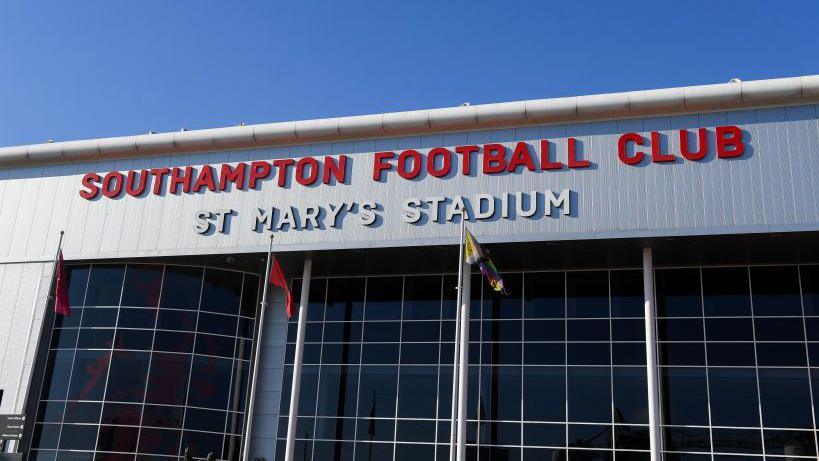
FA Investigates Southampton Over Spygate Allegations
Samael.lol – The Football Association has launched an inquiry into Southampton’s actions following the club’s admission of monitoring three rival teams in the Championship during the previous campaign. This scandal, dubbed “Spygate,” has cast a shadow over the Saints’ pursuit of a swift return to the Premier League after their relegation at the conclusion of the 2024-25 season.
Southampton’s Spying and Consequences
Saints were removed from the Championship play-offs after confessing to gathering intelligence on opposing sides within 72 hours of their matches. This included observing Middlesbrough’s training sessions before the first leg of the play-off semi-final, as well as monitoring Oxford United and Ipswich Town in earlier rounds. The English Football League, which levied the sanctions, stated that the club’s appeal against the punishment was rejected by a league arbitration panel. The EFL emphasized that the disciplinary commission’s decision was based on confirmed breaches of its regulations.
“A league arbitration panel has dismissed Southampton Football Club’s appeal against the independent disciplinary commission’s sanction following the admittance of multiple breaches of EFL regulations,” the EFL confirmed on Wednesday evening.
Southampton’s owner, Mike Rose, expressed disappointment, calling the ruling “an extremely disappointing outcome.” He noted that the club believed the punishment was “disproportionate,” a sentiment echoed by many in the football community. The Football Association will now scrutinize the individuals involved to determine their level of responsibility, potentially leading to personal charges and bans.
The Impact of the Sanctions
The club has been deducted four points for the upcoming Championship season, which could affect their prospects of climbing the table. This penalty, combined with their expulsion from the play-offs, has left them without a chance to secure promotion through the competition. The Championship play-off final will proceed as planned, with Hull City and Middlesbrough set to face off at Wembley on Saturday at 15:30 BST.
The final, described as the most lucrative match in world football, is expected to generate a minimum of £200 million in broadcast revenue and parachute payments for the promoted team. However, the sudden change in opponents has sparked frustration among fans. Hull’s owner, Acun Ilicali, suggested the club might pursue legal action if they lose the game, stating, “There was no other option in order to finish this mess.”
International Precedents and Context
The incident echoes similar controversies elsewhere. At the 2024 Olympics, Canada’s women’s football team was found guilty of spying on New Zealand, resulting in a one-year ban for three staff members, including head coach Bev Priestman. This suggests that the practice of gathering intelligence on competitors is not limited to English football but has broader implications across global sports.
Southampton’s actions, while specific to the Championship, highlight a pattern of tactics aimed at gaining a competitive edge. The club’s focus on espionage during critical moments, such as the play-off semi-final against Ipswich Town on 28 April, underscored their desperation to avoid a second consecutive season in the lower tier of English football. The match, which ended in a 2-2 draw, marked the latest in a series of strategic moves that backfired.
FA’s Role in the Investigation
The Football Association, which oversees English football, has committed to reviewing the evidence before making further comments. A spokesperson for the FA stated, “We won’t comment further until we have assessed the evidence.” This implies a thorough examination of who was involved in the spying, including those who encouraged or knowingly participated in the activity.
While the EFL has the authority to penalize clubs, the FA’s intervention signals a broader disciplinary effort. The governing body may now take action against individuals, potentially imposing fines or suspensions. This could lead to a dual layer of accountability, addressing both the club’s governance and the personal conduct of its staff.
Reactions and Broader Implications
The fallout has been significant, with mixed reactions from fans and pundits. Some argue the punishment is justified, emphasizing the importance of fair play in maintaining the integrity of the sport. Others, however, claim the sanctions are overly strict, particularly given the strategic nature of the spying and its timing in the context of a tight race for promotion.
Southampton’s case has reignited debates about the balance between aggressive tactics and ethical standards in football. The club’s swift removal from the play-offs has left fans questioning whether the decision was a fair reflection of their actions or an overreach by the EFL. Meanwhile, the upcoming final between Hull City and Middlesbrough presents a unique opportunity for the English Football League to showcase its ability to adapt to unforeseen circumstances.
The EFL’s handling of the situation has also drawn scrutiny. By initially expelling Southampton, the league demonstrated its willingness to enforce strict rules, even at the expense of a club’s chance to secure promotion. This move, however, has left room for the FA to intervene, potentially reshaping the narrative around the incident.
Looking Ahead
As the investigation unfolds, the focus will shift to determining the extent of responsibility among Southampton’s personnel. The club’s appeal, which was dismissed without the possibility of further review by the Court of Arbitration for Sport, leaves them with limited recourse. This could set a precedent for future cases, emphasizing the importance of accountability at all levels of the sport.
The play-off final remains a high-stakes event, with the potential to reshape the Championship landscape. For Middlesbrough, the reinstatement offers a chance to redeem themselves after their exclusion. For Hull, the opportunity to compete for promotion is both a reward and a test of their resilience. Regardless of the outcome, the episode has already left a lasting mark on the season’s final stages.
With the FA’s probe ongoing, the saga of Spygate is far from over. The broader implications for the sport—ranging from governance to player conduct—will continue to be discussed, especially as the final approaches. Whether the punishment is seen as a necessary step or an example of excessive rigidity, the episode has undeniably added a layer of complexity to the Championship’s closing chapter.
The EFL Pod, a segment titled “Southampton no saints as Boro back in,” has sparked conversations about the fairness of the decision. Some fans lament the chaos, while others question if the punishment was justified. As the clock ticks down to the final, the focus remains on the outcome of a match that could determine the fate of two teams and the future of the league’s integrity.