Verstappen Vows to Depart F1 if Engine Changes Fail
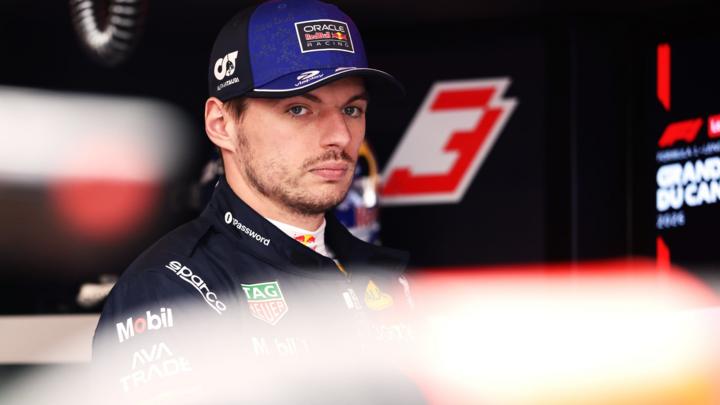
Samael.lol – Max Verstappen, the Dutch driver who secured sixth place in the Canadian Grand Prix qualifying session, reiterated his threat to leave Formula 1 at the end of the current season if proposed engine regulation adjustments are not approved. The FIA, the sport’s governing body, announced earlier this week that a tentative agreement had been reached on reforms aimed at simplifying energy management for the next generation of power units. However, the latest developments reveal growing resistance among teams, particularly from manufacturers who believe the changes could jeopardize their competitive edge.
Verstappen, known for his aggressive racing style and high expectations, expressed frustration over the current state of the sport. “If it remains unchanged, next year will feel like an extended endurance test,” he said. “I can’t keep operating under these conditions without losing my passion.” His comments reflect concerns that the new engines, which operate on a 50-50 split between internal combustion and electrical energy, have forced drivers into a rigid driving pattern. This has led to a reliance on energy recovery techniques even during qualifying sessions, a trend Verstappen believes has stifled the racing experience.
“Staying in this state feels mentally unsustainable for me. It’s not just about performance—it’s about enjoying the process. If we don’t make progress, I’ll have to move on.”
The proposed adjustments seek to reduce the energy management burden by shifting the split to 60-40 in favor of internal combustion engines. This tweak, which has already been implemented in some aspects, aims to give drivers more freedom to push their cars to the limit without constant calculations. Verstappen highlighted this as a critical step toward restoring the sport’s original spirit. “This change would bring things closer to what we saw before,” he noted. “It’s about making Formula 1 more exciting and less about saving energy every lap.”
Despite Verstappen’s advocacy, not all teams share his vision. Ferrari, for instance, has raised concerns about losing development opportunities under the current rules. The manufacturer argues that the energy management system allows for more strategic flexibility, particularly in the latter stages of races. Meanwhile, Audi has voiced financial objections, fearing the costs of adapting to the new regulations could strain their resources. These objections have stalled progress, with the FIA struggling to secure enough support to finalize the changes.
Verstappen’s dissatisfaction with the current engine design is not new. After the Japanese Grand Prix, he hinted at potential retirement, citing the challenges of the new power units. His latest comments during the Canadian Grand Prix weekend reinforce this sentiment. “We’re still aiming to implement these changes,” he said. “Some teams may resist, but if the FIA remains determined, we’ll find a way forward.” This determination has led to ongoing negotiations, with discussions continuing into the early stages of the race weekend.
McLaren’s team principal, Andrea Stella, supported Verstappen’s stance, emphasizing that the proposed reforms address fundamental flaws in the current system. “The FIA’s plan to increase ICE power through fuel flow and reallocate electrical energy during deployment is a major step toward improving the sport,” she stated. “This isn’t just about one team—it’s about creating a fairer, more engaging environment for everyone.” Stella pointed to the peculiar driving techniques that have emerged as a result of the current rules, where delaying throttle application out of corners has become a strategy to maximize electrical energy for straight-line speed.
“Drivers are constantly calculating energy use, even when it doesn’t make sense. This has altered the way we race, and the changes will help us return to a more natural form of competition.”
Verstappen’s team, Red Bull, has also been vocal in its support of the reforms. The team’s progress under the new rules has been a key factor in his decision to stay, with Verstappen acknowledging the strides made in development and performance. “I see the team improving consistently,” he said. “That’s what excites me. If we can keep moving forward, I’ll be happy to continue.”
However, the battle over the engine regulations has highlighted the tension between innovation and tradition in Formula 1. While Verstappen and Red Bull advocate for a return to a more driver-focused approach, others see the changes as a necessary evolution. The FIA has argued that the current system, which prioritizes energy efficiency, has made the sport less dynamic. “We need to fix the limitations of the hardware we’re using now,” Stella said. “This is our chance to address the core issues and ensure the sport remains competitive and entertaining.”
The Canadian Grand Prix has become a focal point for these debates, with Verstappen’s performance serving as a barometer for the changes’ potential impact. After qualifying sixth, he expressed optimism that the adjustments would bring a more balanced racing environment. “If we can simplify things, the races will feel more like they used to,” he said. “That’s the goal, and it’s something I’m committed to achieving.”
As the discussions continue, the outcome of this season’s negotiations could shape the future of Formula 1. With the FIA pushing for a decisive vote and teams like Mercedes and Red Bull backing the plan, the pressure is on to resolve the impasse. Verstappen’s threat to quit adds urgency, as his departure would not only affect Red Bull’s competitiveness but also signal a potential shift in the sport’s direction. For now, the focus remains on whether the changes can be finalized before the 2027 season begins.
Meanwhile, the Canadian Grand Prix itself has provided a glimpse of what the future might hold. Russell, who secured pole position “out of nowhere,” and Antonelli’s intense sprint battle showcased the unpredictability of the current system. Both drivers described the event as a test of skill and strategy, with moments of close calls adding to the drama. “We were both lucky not to crash,” Antonelli said, reflecting on the high-stakes nature of the race. This kind of action, though, may become more common if the rules remain unchanged, further emphasizing the need for reform.