Slot sacking completes a remarkable fall from grace
The Debrief: Arne Slot out, Luis Enrique in?
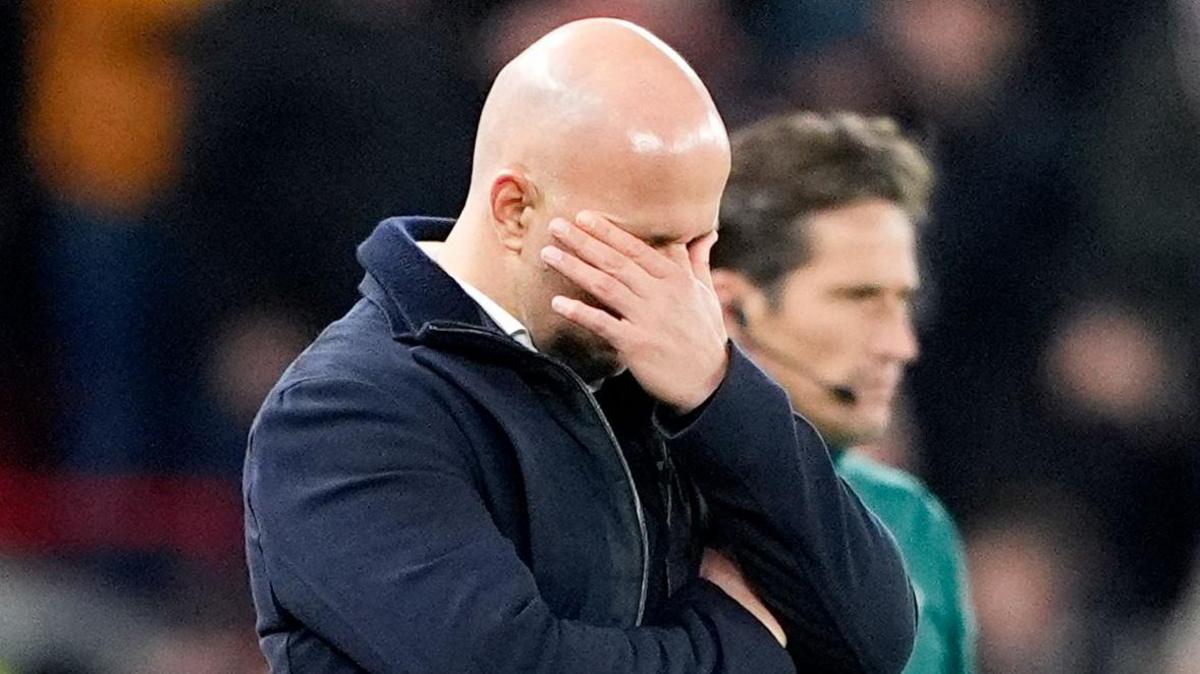
Samael.lol – Arne Slot’s departure from Liverpool marks the latest chapter in a dramatic narrative of managerial upheaval. Just a year after leading the Reds to their 20th Premier League title with a commanding 10-point margin, the Dutch coach found himself at the center of a storm that left his tenure in disarray. The achievement had been celebrated as a seamless transition, but the subsequent sacking signaled a sharp turn in fortunes. For many fans, Slot was initially viewed as a calm, steady replacement for Jurgen Klopp’s fiery charisma, yet his leadership now seems to have crumbled under pressure.
Despite inheriting a squad that had finished nine points short of the title when Klopp left, Slot transformed it into champions. His measured approach quelled post-Klopp uncertainty, and his tactical adjustments turned a squad into a well-organized unit. Yet, the summer of 2023, meant to be one of triumph, instead became a season of disillusionment. The title parade that once filled the city streets with joy was overshadowed by the abrupt end of Slot’s reign.
“Liverpool’s 20th title, equalling Manchester United, was a cause of rejoicing from their global fanbase.”
Slot’s journey from Klopp’s successor to sacked manager is a tale of rapid ascent and equally swift decline. In his first season, the Dutchman steered Liverpool to victory with a squad that required only minor additions, such as £10m forward Federico Chiesa from Juventus. This was a far cry from the £450m investment that followed, which further elevated the team’s strength. But even with such resources, Slot’s methods faced scrutiny as the season progressed.
Contrast Slot’s fate with other Premier League managers who have experienced similar downfalls. Carlo Ancelotti was dismissed by Chelsea in 2011 after securing a league and FA Cup double, only to be replaced by a more combative figure. Jose Mourinho’s second stint at Stamford Bridge ended in December 2015, with the club sitting just one point above the relegation zone. Antonio Conte followed a year later, despite delivering the title in his debut campaign. Even Leicester City’s Claudio Ranieri, who had led the Foxes to an improbable victory in 2016, was ousted in 2017 as the team faltered.
However, Slot’s sacking stands out for its abruptness. While others had time to adapt or face gradual decline, he was removed from his post mere months after securing the title. The speed of the decision raises questions about the stability of Liverpool’s management structure, which is often perceived as a bastion of tradition. The club’s owners, who had long supported Klopp’s bold vision, now seemed to prioritize a return to more familiar tactics.
Slot’s transition from Klopp’s era was marked by a mix of pragmatism and innovation. He brought cohesion to a team that had once relied on chaotic flair, yet his changes also drew criticism. The decision to move Luis Diaz from winger to striker, for instance, was met with mixed reactions. While it paid dividends in crucial matches, it also sparked debates about the balance between structure and excitement.
Liverpool’s main transfer target when Slot joined was Real Sociedad’s Martin Zubimendi, a midfielder with a reputation for composure. But as the summer unfolded, Zubimendi chose to stay in Spain, leaving Liverpool without a key signing. This decision, while understandable, fueled frustration among supporters who had hoped for a new era of dominance. Slot, undeterred, turned to Ryan Gravenberch, a player who had previously struggled under Klopp, to fill the void. The move proved effective, as Gravenberch became a linchpin in the team’s defense.
The relationship between Slot and Mohamed Salah, once a symbol of unity, deteriorated significantly. Salah, who had thrived under Klopp’s system, initially expressed open hostility toward his new coach. His public outbursts, including an interview and social media posts, highlighted tensions that may have undermined Slot’s authority. Salah’s form, which had been stellar in Klopp’s era, also declined sharply, further complicating the narrative of his success.
“Slot was bequeathed quality, but he put his own stamp on it to make Liverpool title winners.”
Slot’s methods, though effective, were not without controversy. He inherited Klopp’s Liverpool 2.0 model but reshaped it with a focus on efficiency over flair. Critics argue that this shift diminished the attacking brilliance that had defined the club’s recent achievements. Yet defenders of Slot point to the team’s consistency and the ability to maintain a high standard despite challenges.
The sacking of Slot underscores the volatility of top-tier football management. Even the most successful coaches can fall from grace if expectations shift or internal dynamics change. For a club like Liverpool, known for its stability, the decision to part ways with Slot represents a significant departure from tradition. The process, however, was not entirely unexpected, as the ownership’s preference for a more authoritative style became evident.
While the immediate aftermath of the title brought celebration, it also set the stage for a new phase of uncertainty. The transfer window, once a time for joy, became a period of speculation as Liverpool looked to appoint a new manager. Luis Enrique, the former Barcelona coach, emerged as a likely candidate, though his appointment remains pending. The transition from Slot to Enrique raises questions about the club’s evolving identity and its appetite for a return to Klopp’s legacy.
Slot’s tenure, though short, was defined by both triumph and turmoil. He navigated the complexities of a title-winning team with a blend of discipline and innovation, yet the pressure to replicate Klopp’s success proved overwhelming. His departure is a reminder that even the most accomplished managers must constantly prove themselves in an environment where change is the only constant.
As the dust settles, the story of Slot’s sacking becomes a case study in the fragility of managerial careers. The Premier League, with its relentless pace and high stakes, offers no guarantees. For Liverpool, the challenge now is to find a balance between continuity and evolution, ensuring that the next coach can build on the foundation Slot laid while addressing the lingering doubts about his vision.
Ultimately, Slot’s fall from grace reflects the broader landscape of football management. Injuries, transfers, and player morale can all tip the scales, and the pressure to deliver sustained success leaves little room for error. Whether his sacking was justified or a reaction to shifting priorities, it marks the end of an era and the beginning of a new chapter for the Reds.