Mental Health Support Urged for Football Managers Following Beard’s Passing
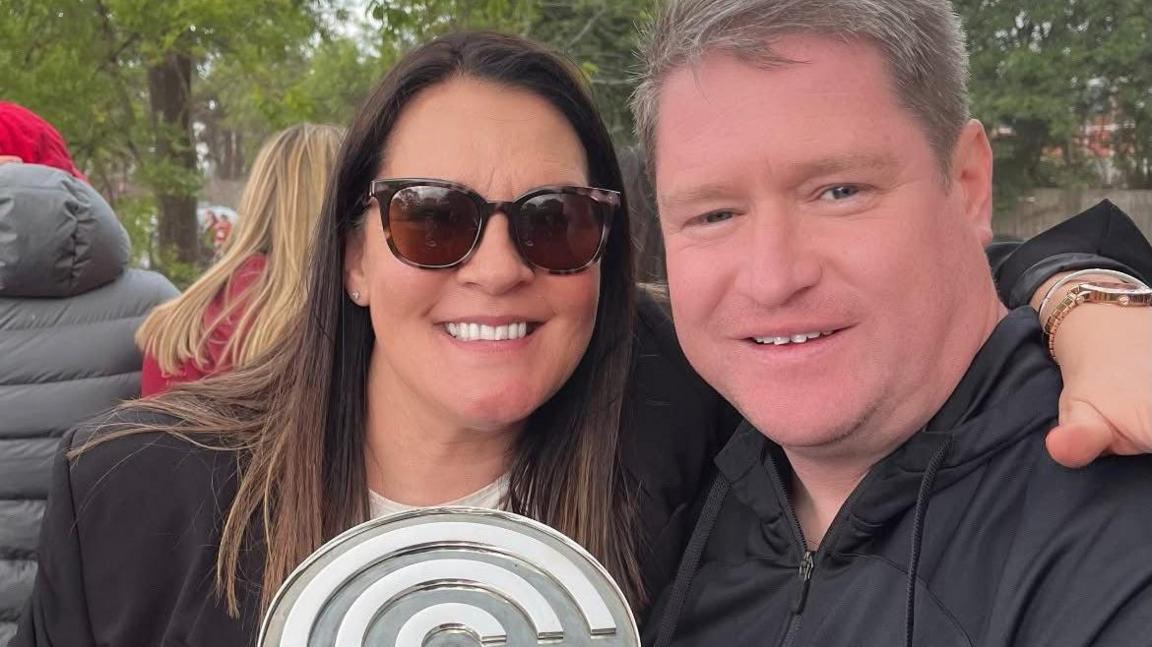
Samael.lol – Debbie Beard and Harry, the son of late football manager Matt Beard, have spoken out about the urgent need for tailored mental health resources for top-tier coaches. The couple’s emotional plea comes amid the profound impact of Matt’s death in September, which left a lasting mark on the women’s football world and beyond. Known for his charismatic and approachable demeanor, Matt was a two-time Women’s Super League (WSL) champion with Liverpool and a father to three children, including Harry, Ellie, and stepson Scott. His passing has sparked a conversation about how football leaders are expected to navigate personal struggles while maintaining professional excellence.
A Legacy of Leadership and Laughter
Matt Beard, whose career spanned multiple clubs and leagues, was revered for his ability to balance tactical acumen with a light-hearted, relatable personality. Debbie, reflecting on her husband’s character, described him as a “cheeky chappy—like the Del Boy of football,” a reference to the iconic character from *Only Fools and Horses*. This description highlights the contrast between his public persona and the private battles he faced. Despite his success, including leading Liverpool to consecutive WSL titles in 2013 and 2014, and guiding them back to the top tier in 2021, Matt’s death has reignited discussions about the mental health challenges faced by those in high-pressure roles.
“We would never have seen that coming—not in a million years,” Debbie said, speaking from their North Wales home. “I just wish he had said, ‘I’m struggling.’”
The tragedy of Matt’s passing has not only affected his immediate family but also cast a spotlight on the broader football community. His role as a mentor to players, a rival to other managers, and a beloved figure among fans has made his death feel like a collective loss. Debbie emphasized that the emotional toll of such a passing should not be borne by families alone, urging the football world to implement proactive measures to support its leaders.
The Call for Systemic Change
Speaking to BBC Sport, Debbie argued that football managers should not be expected to seek help independently. “It should be mandatory for someone to check in with them once a week,” she said, advocating for regular mental health assessments. “There needs to be a designated safe space where they can talk openly without judgment.” This sentiment underscores a growing belief that the culture of football often prioritizes resilience over support, leaving managers to shoulder their burdens alone. Debbie highlighted that Matt had faced past emotional challenges, including the grief of losing his father in 2022, yet he continued to perform with unwavering dedication. “He was always the first to smile, the first to greet everyone,” she said. “It’s heartbreaking to think he felt invisible in his own life.”
“It’s such high-stakes pressure that they are under, it should be part of the regular monitoring,” Debbie added. “There should be so much emphasis on strength and conditioning, but for mental health, they have to be the ones to speak up and ask for help. That’s not right.”
Debbie’s remarks align with the League Managers’ Association (LMA), which already offers initiatives like confidential counseling, health insurance access, and mental health education workshops. However, the LMA acknowledged the need for more systematic approaches to identify and support struggling managers. “Football management and coaching is a profession that often leads to stress, anxiety, and burnout,” the LMA stated in a response to BBC Sport. “We continue to work with stakeholders to address mental health in a collaborative way.” While these programs are a step in the right direction, Debbie and others argue that they are not enough to prevent the kind of crisis that claimed Matt’s life.
A Heartfelt Reminder of Love and Loss
Matt’s brother, Mark Beard, who now manages Hull City’s Under-18s, echoed his family’s call for change. “His death should be a lesson for everybody,” Mark said during the funeral service. “Managers are under so much pressure that being honest about their mental health is difficult.” Mark recounted how Matt’s final moments were marked by a deep sense of gratitude and affection, as seen in a text he sent that night: “I love more than you’ll ever know, mate.” This message, shared by Debbie, serves as a poignant reminder of Matt’s warmth and the love he carried for his family, even in his darkest hour.
Mark also emphasized the importance of creating an environment where managers feel safe to express their struggles. “He probably felt the world was against him, but it wasn’t,” he said. “He had a lot of people who cared for him.” The funeral, held at Liverpool Metropolitan Cathedral, drew an overwhelming number of attendees, including figures like USA manager Emma Hayes and ex-England captain Casey Stoney, who highlighted Matt’s influence on the sport. His legacy, however, is not just about trophies but about the human connection he brought to every match and moment.
Rebuilding a Culture of Care
The Beard family’s campaign has galvanized a movement within football to prioritize mental health as much as physical conditioning. Debbie pointed out that while the sport celebrates physical strength and endurance, emotional well-being often takes a backseat. “Football managers are expected to be superhuman,” she said. “But they shouldn’t have to ask for help when they’re struggling.”
Matt’s career was a testament to his passion and perseverance. After initially coaching part-time while working as an estate agent, he rose to prominence with Liverpool, leading the team to historic achievements in the WSL. His managerial journey also included stints at Millwall, Chelsea, and Boston Breakers, as well as a memorable run with West Ham to the 2019 FA Cup final. These accomplishments, though celebrated, were accompanied by the unspoken expectation that managers must always appear strong, even when they are breaking inside.
“Football is a high-stakes game, but mental health is equally critical,” Debbie said. “If we don’t take steps to support managers, more families will have to live through the same pain.”
Mark Beard’s perspective further illustrates the emotional weight of the situation. “He was always the first to show up, the first to take responsibility, and the first to make sacrifices,” he said. “But that doesn’t mean he had to carry everything alone.” His brother’s words reflect a broader concern that football’s competitive nature often silences those in need, leaving them to endure their struggles in isolation. Debbie hopes that the momentum generated by Matt’s passing will lead to tangible changes in how mental health is addressed within the sport.
As the WSL prepares to honor Matt with a Hall of Fame induction next week, the family’s message is clear: football must evolve to recognize the human side of its leaders. The LMA has already taken steps to improve support systems, but Debbie and others argue that more must be done. “Regular checks should be a standard part of being a manager,” she said. “It’s not just about winning; it’s about surviving the game.”
Matt Beard’s story is a powerful reminder of the unseen battles that shape the lives of those in the spotlight. His wife and son, alongside his brother, are now advocating for a future where managers are not only celebrated for their achievements but also protected by the very system they serve. With football’s global reach and the immense pressure it places on its leaders, the call for systemic change has never been more urgent. The hope is that Matt’s legacy will inspire a new era of support, where no manager has to face the darkness alone.