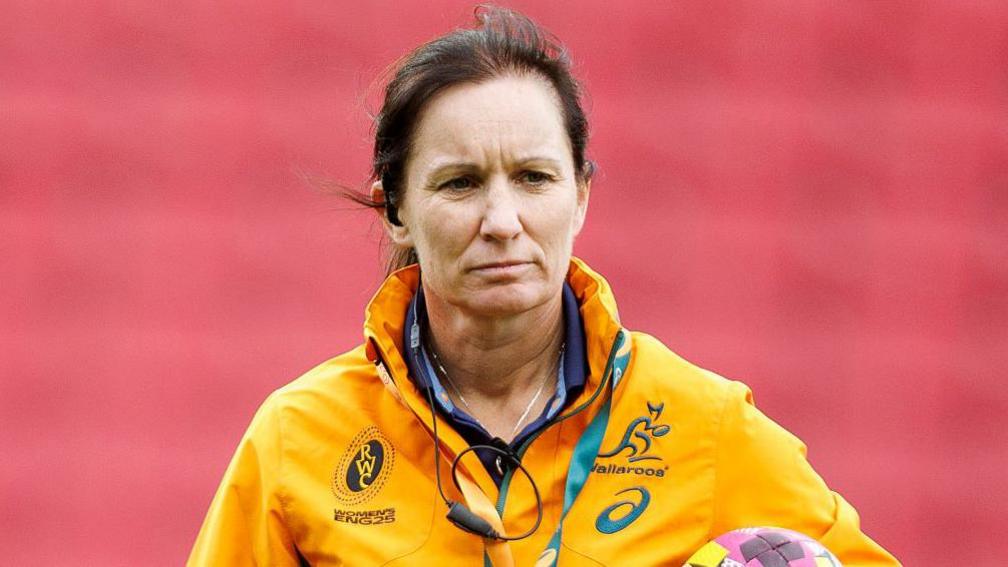
Yapp Makes History as First Lions Women Coach
A New Era in Women’s Rugby Leadership
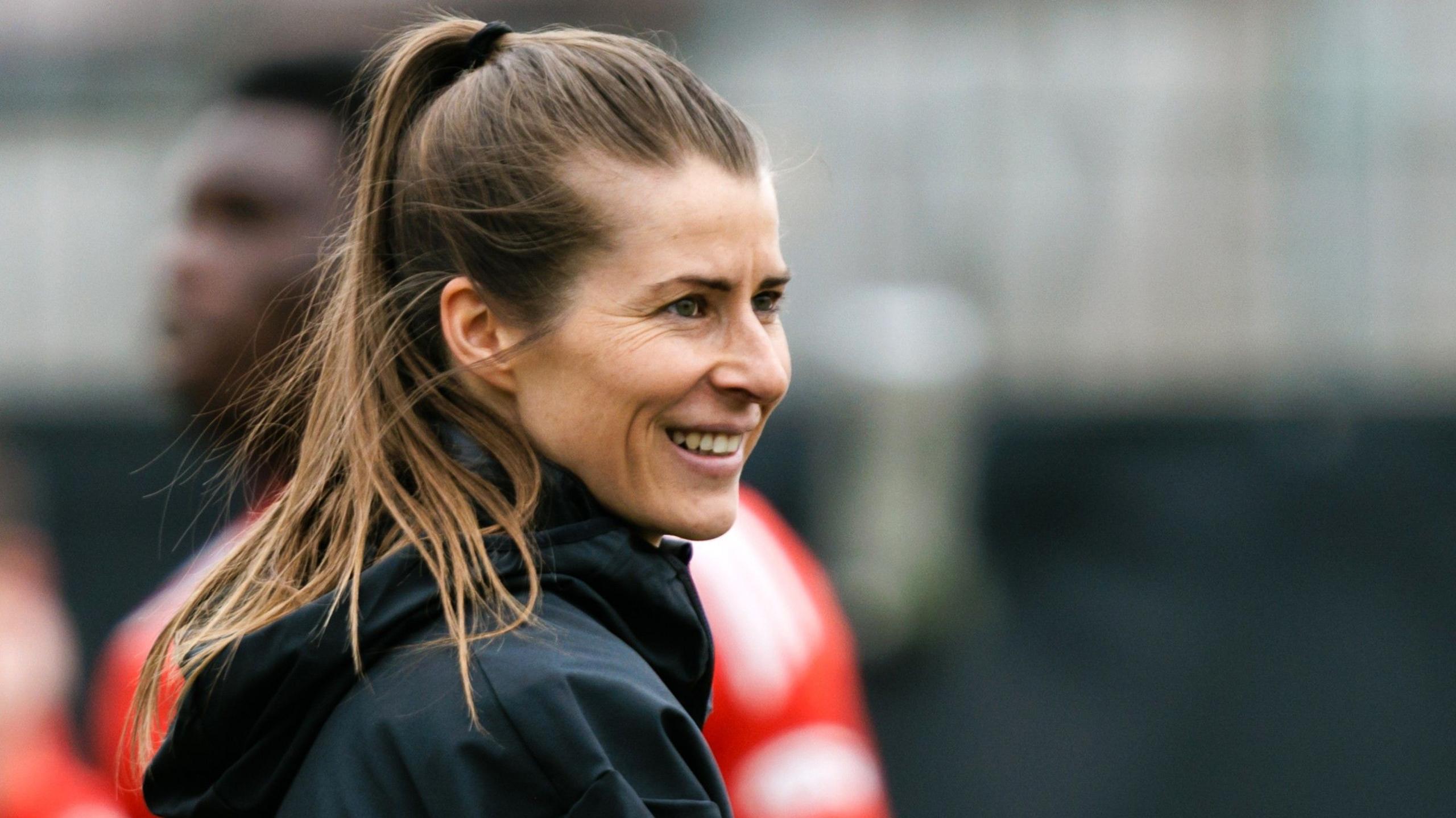
Samael.lol – Former England captain Jo Yapp has etched her name into history by becoming the inaugural head coach of the British and Irish Lions Women team. The 46-year-old, known for her stellar playing career, now aims to harness her extensive experience to elevate the women’s game. This role marks a significant milestone, as Yapp will lead the first-ever Lions women’s tour, set to take place in New Zealand in 2027. Her appointment signals a growing recognition of women’s rugby as a vital part of the sport’s global landscape.
Yapp’s journey in rugby spans decades, starting with her role as a scrum-half for England. She earned 70 caps and represented her country in three World Cups, including the 2006 tournament where she helped the Red Roses reach the final. After her playing days, she transitioned into coaching, working with England Women Under-20s, Worcester Warriors Women, and the Barbarians. Her most recent achievement includes guiding Australia into the top eight of last year’s Women’s Rugby World Cup, a feat that underscores her tactical acumen and ability to unite players from different nations.
The Lions Women will embark on their tour with a warm-up match against a Black Ferns XV in Whangarei on 4 September. This will be followed by three Test matches in Auckland, Wellington, and Christchurch. Yapp’s vision for the tour emphasizes collaboration and innovation, as she prepares to bring together talent from England, Ireland, Scotland, and Wales. “This is an opportunity to shape the future of women’s rugby for years to come,” she remarked, highlighting the importance of the initiative. “The Lions represent the pinnacle of our sport, and I’m excited to contribute to that legacy.”
“Jo’s breadth of experience across the UK club game and the international women’s game in the southern hemisphere made her an outstanding candidate for this role,” said Ben Calverley, British and Irish Lions chief executive. “Her ability to unite players from the four unions was particularly compelling. This appointment is a step forward for the game, and we’re thrilled to support her as she leads the charge.”
A Strategic Shift for the Lions
Yapp’s transition to the Lions Women will involve a part-time role from July 2026, before she takes a full sabbatical from the Rugby Football Union to focus entirely on the coaching role. This arrangement allows her to maintain her connection with the England setup while committing to the Lions’ vision. The tour’s structure, though not expected to mirror the men’s equivalent, is designed to showcase the depth of talent across the four unions. Calverley emphasized the need to foster inclusivity, stating that the Lions’ mission is to “grow and support all aspects of the women’s game, including the promotion of female coaches.”
One of the primary challenges Yapp faces is ensuring the Lions Women tour feels distinct from an England-centric campaign. The Red Roses, the reigning world champions, have long dominated the international scene, making it crucial for Yapp to balance their influence with contributions from Ireland, Scotland, and Wales. “The Black Ferns are a formidable opponent, and the challenge of facing them on home soil is what makes this tour so exciting,” she noted. This sentiment reflects the high stakes and the potential for the Lions Women to set a new standard in competitive rugby.
Potential Coaching Team Assembly
The selection of Yapp’s coaching staff will be a critical component of the Lions’ success. Her experience working with the Barbarians Women, where she previously partnered with ex-Wales captain Rachel Taylor, suggests that Taylor could be a key figure in the team. Meanwhile, Sean Lynn, the current Welsh head coach, is also a contender. English candidates include Sarah Hunter and Emily Scarratt, both of whom have recently aided the Red Roses in securing an eighth consecutive Grand Slam. Louis Deacon, the forwards coach for England, is another likely candidate, given his expertise in developing strong attacking and defensive units.
From Scotland, Claire Cruikshank, who balances her role as a player with coaching duties at Edinburgh, is expected to be considered. However, the likelihood of Scotland’s head coach Sione Fukofuka joining the team remains uncertain, as he is still settling into his new position following his December 2025 appointment. Meanwhile, Ireland’s coaching pool is less developed, but Niamh Briggs and Tania Rosser, both former Test players, could bring valuable insights. Scott Bemand, the current Ireland head coach, has experience in England’s coaching framework, which might make him a strategic choice for the Lions’ setup.
Yapp’s approach to the coaching team will likely prioritize a blend of experience and fresh perspectives. Former PWR (Premiership Women’s Rugby) head coaches Giselle Mather and Susie Appleby, both with impressive records, are also in the running. Their inclusion could add a layer of stability and tactical expertise to the team. Despite the talent pool, Yapp’s ability to unite players from different unions will be tested, as the Lions Women aim to create a cohesive and competitive squad.
Looking Ahead: A Vision for the Future
The Lions Women tour is not just about competition—it’s about inspiring a new generation of players and fans. Yapp’s appointment highlights the importance of women’s rugby as a sport with growing momentum. With the world stage waiting, the team is poised to make a statement, leveraging the prestige of the Lions brand to elevate the profile of women’s rugby in New Zealand. “We want to create a legacy that resonates beyond the field,” Yapp added, emphasizing her commitment to long-term growth.
As the tour approaches, discussions about the coaching staff will intensify. The inclusion of female coaches, such as Yapp, is a powerful step toward gender equality in rugby. While the exact composition of the team remains to be announced, the focus is on assembling a group that reflects the diversity of the sport. This effort aligns with the Lions’ broader goals of promoting inclusivity and expanding their global reach.
Yapp’s background as a player adds a unique dimension to her coaching philosophy, blending on-field knowledge with leadership experience. Her ability to connect with players and foster a sense of unity is vital as the Lions Women navigate the challenges of their inaugural tour. The support from the RFU and the Lions’ executive team underscores the confidence in her vision, as they aim to make this venture a defining moment in the history of women’s rugby.
With the 2027 tour on the horizon, the rugby community will be watching closely. The success of the Lions Women could influence future international competitions and inspire more women to pursue coaching roles. As Yapp prepares to take on this historic responsibility, her journey from player to coach exemplifies the evolving nature of the sport and the potential for new leadership to drive progress. The coming months will be pivotal in shaping the team’s identity, and the excitement surrounding this milestone is only beginning to build.