Blunt-speaking Pope tells Cameroon to root out corruption to find peace
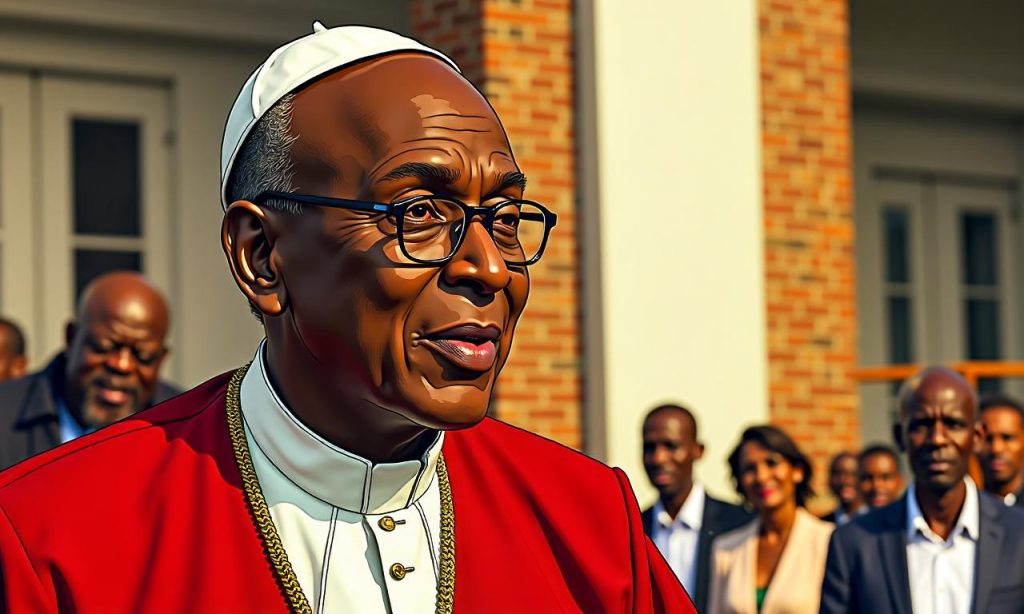
Blunt-speaking Pope tells Cameroon to root out corruption to find peace
During a bold speech in Yaoundé, the capital of Cameroon, Pope Leo XIV called on the government to eradicate corruption, framing it as a critical barrier to achieving peace and justice. Addressing a gathering that included President Paul Biya, the pontiff emphasized the need to dismantle the “chains of corruption” that undermine authority and erode public trust.
“In order for peace and justice to prevail, the chains of corruption—which disfigure authority and strip it of its credibility—must be broken,” said the Pope, highlighting the urgency of his message.
The 93-year-old president, who secured an eighth term in a contested election last year, faces scrutiny over accusations of corruption, poor governance, and struggles with security challenges. Meanwhile, the Pope is currently visiting Cameroon’s English-speaking regions, where a separatist movement has been active for over a decade.
The visit includes a planned Mass in Bamenda, a focal point of the ongoing conflict. The city has witnessed at least 6,000 deaths and displaced thousands since the insurgency began. Crowds eagerly lined the streets to greet the pontiff, with separatist groups earlier declaring a “safe travel passage” to facilitate his arrival.
“Security is a priority, but it must always be exercised with respect for human rights,” the 70-year-old leader remarked, referencing the harsh tactics in the region.
The separatists, seeking independence for Cameroon’s Anglophone areas, have criticized the Francophone-led administration for marginalizing the English-speaking minority. The Pope’s visit is seen as a chance to inspire hope for those affected by the violence, with Archbishop Andrew Nkea of Bamenda expressing confidence in its potential to usher in peace.
“I can confidently say now is the time for peace,” Nkea stated before the Mass, underscoring the significance of the event.
The Pope’s 11-day African tour centers on promoting peace, with Angola and Equatorial Guinea next on his itinerary. His trip began in Algeria, where he became the first pope to visit the predominantly Muslim nation, a country notable for being the birthplace of St. Augustine. Leo XIV is also the first pontiff from the Augustinian order to visit since the saint’s legacy.
During his two-day stay in Algeria, he attended a service at the Great Mosque in Algiers, underscoring his message of unity. “Although we have different beliefs, we have different ways of worshiping, we have different ways of living, we can live together in peace,” he remarked after the event.
State television briefly paused its live coverage of the Pope’s remarks, according to Associated Press, though the reason remained unclear. The pontiff also praised young people as a vital force for the nation and the Church, stressing the importance of investing in their growth.
“Their energy and creativity are invaluable. Investing in their education, training, and entrepreneurship is essential for peace and for preventing the loss of talent and the spread of social ills,” he said.
He further acknowledged the role of women, who are often victims of injustice but also key contributors to peacebuilding. “Their voice must be fully recognized in decision-making processes,” the Pope asserted, aligning with President Biya’s recent pledge to prioritize women and youth after his October re-election.
Additional reporting by Paul Njie in Bamenda. For more news from the African continent, visit BBCAfrica.com. Follow us on Twitter @BBCAfrica, on Facebook at BBC Africa, or on Instagram at bbcafrica.