How we reported in -30C temperatures in Canada’s Arctic
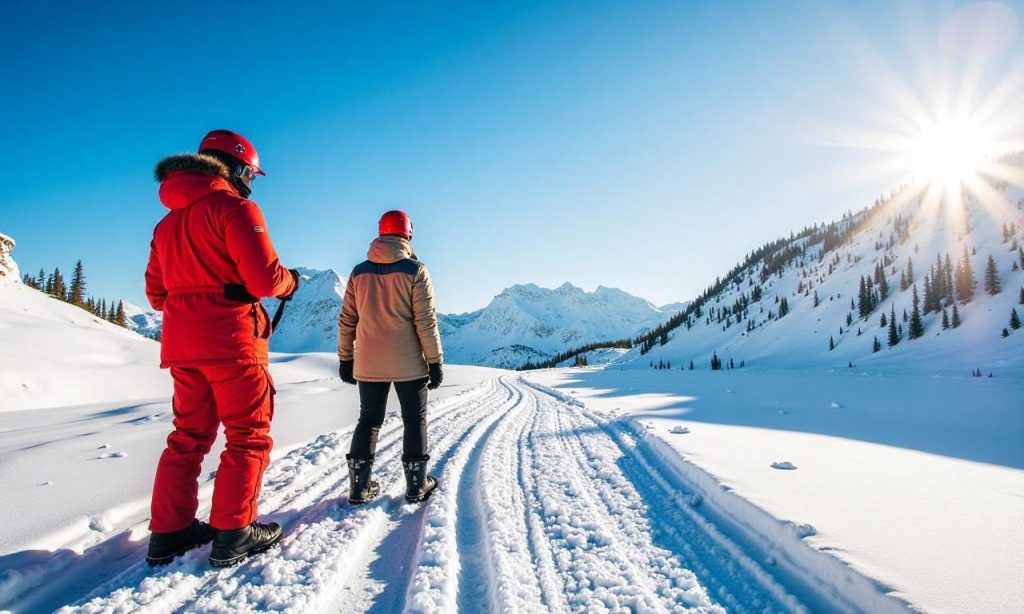
How We Reported in -30C Temperatures in Canada’s Arctic
How we reported in 30C temperatures – The BBC’s coverage of the extreme Arctic environment began with a challenging 5,200km (3,200 miles) journey through Canada’s remote tundra, undertaken alongside the country’s military rangers. This expedition, which tested the limits of human endurance, provided a rare glimpse into the survival techniques required to thrive in conditions where temperatures plunge to -60C (-76F). Journalists Nadine Yousif and Eloise Alanna joined the rangers for the final stretch of the patrol, documenting their experiences in one of the harshest climates on Earth.
Surviving in the Arctic demands more than just physical resilience. The rangers demonstrated how to construct insulated shelters from snow, navigate treacherous terrain with minimal equipment, and maintain morale during long, frigid nights. Yousif and Alanna observed the team’s ability to adapt quickly, relying on a blend of traditional skills and modern technology to stay safe. One ranger explained that the key to enduring such cold is consistency—“You have to keep moving, even when it feels like the world has frozen around you,” they said, emphasizing the mental stamina needed for the mission.
Though the Arctic patrol focused on survival, the journalists also captured the broader significance of the rangers’ work. These individuals, stationed in the northernmost regions of Canada, serve as the first line of defense against threats like piracy, illegal hunting, and climate-related emergencies. Their presence highlights the critical role of remote patrols in safeguarding the fragile ecosystems and resources of the Arctic. The footage recorded by Alanna, who also produced the video, offers a vivid record of how human ingenuity and determination can overcome nature’s most brutal elements.
King Charles’s State Visit and the Impact of Friendly Fire
Meanwhile, across the Atlantic, King Charles III concluded his historic state visit to the United States, marking the first British monarchal trip to Washington since Queen Elizabeth II’s in 2007. The visit, which included meetings with President Donald Trump, was framed as an opportunity to mend strained relations between the UK and the US, particularly in the context of the ongoing Iran war. However, the event took an unexpected turn when a video was released showing a secret service member sustaining injuries from an act of ‘friendly fire’ during the trip.
According to reports, the incident occurred during a formal dinner at the White House, where King Charles’s charm offensive was expected to ease tensions. The video, which captured the moment, raised questions about the security protocols in place during high-profile events. BBC correspondent Sarah Smith analyzed the implications, noting that while the royal visit aimed to strengthen diplomatic ties, the friendly fire incident could cast doubt on the stability of US-UK relations. “The incident adds a layer of complexity to an already delicate political climate,” Smith remarked, highlighting the need for careful navigation in international diplomacy.
During the state banquet, the King and President Trump engaged in a series of lighthearted exchanges, with both leaders showcasing their wit. One of the highlights was the gift of a bell from the King’s WW2 submarine, ‘HMS Trump,’ which symbolized a shared historical connection between the two nations. This gesture, however, was overshadowed by the controversy surrounding the secret service member’s injury. The White House quickly issued statements, expressing confidence in the security team while urging media outlets to focus on the positive aspects of the visit.
A Week of Storms and Stories Across the Midwest
Back in the United States, a severe storm outbreak continued to disrupt life across the Midwest and Southern regions. The relentless weather, which had persisted for nearly a week, led to widespread power outages, flooded roads, and emergency evacuations. Local authorities reported that the storm’s intensity had forced schools and businesses to close, with some communities facing challenges in accessing basic supplies. The event, which coincided with the royal visit, added a dramatic backdrop to the country’s political and social dynamics.
While the storm gripped the central states, another major event unfolded in New York City. After visiting the 9/11 Memorial, Queen Camilla took part in a reading session for children at the New York Public Library, underscoring the UK’s commitment to cultural diplomacy. King Charles, meanwhile, engaged with a community organisation in Harlem, reinforcing his efforts to connect with diverse populations during the visit. These activities were designed to humanize the royal couple and build goodwill, even as the White House Correspondents’ Dinner became the scene of a sudden and shocking moment.
During the dinner, the atmosphere shifted when gunshots were heard, prompting a swift response from security personnel. First Lady Melania Trump later described the incident as “hateful and violent,” criticizing the comedian who had made a joke during the event. The White House called on ABC to dismiss the performer, arguing that their remarks had created a hostile environment. Correspondent Tom Bateman, who was present in the dining room, recounted the chaos as officials rushed to secure the venue. “It was like a scene from a thriller—everyone froze, then the emergency drills began,” he said in a follow-up report.
The storm, the royal visit, and the gunfire incident all reflect the unpredictable nature of current events. From the Arctic’s icy expanse to the bustling streets of New York, the BBC’s team documented a range of stories that capture the essence of modern journalism. Each report, whether in the tundra or at a state dinner, underscores the importance of adaptability, resilience, and storytelling in navigating extreme conditions—both natural and political.
Energy Prices and the Steller Sea Lion’s Habitat Shift
Energy prices in the US have been on the rise, exacerbated by the stalled peace talks with Iran and the continued closure of the Strait of Hormuz, a vital maritime route. Analysts warned that the geopolitical tensions could lead to long-term economic consequences, with energy markets reacting to the uncertainty. The situation also highlighted the interconnectedness of global trade and security, as disruptions in one region can ripple across the world.
Amid these developments, a curious shift in wildlife patterns has been noted. Steller sea lions, typically found in the colder waters of Alaska and the Pacific Northwest, have become less common in the Bay Area. Conservationists suggest that changing ocean temperatures and human activity may be influencing their migration routes. This phenomenon, while seemingly unrelated to the political events, serves as a reminder of the broader environmental challenges facing the planet.
The Arctic patrol, the royal visit, and the storm in the Midwest all contribute to a tapestry of global stories that highlight both human and natural resilience. Whether braving the elements or navigating the complexities of international relations, the BBC’s coverage ensures that no detail is overlooked. From the tundra to the White House, the team’s commitment to storytelling remains unwavering, even in the face of extreme conditions.
As the events unfold, the interplay between geography, politics, and culture becomes evident. The Arctic’s harsh environment offers a stark contrast to the bustling, sometimes chaotic, world of Washington politics. Yet, both settings demand the same level of dedication and courage from those who report on them. The BBC’s ability to adapt and deliver compelling narratives across these diverse contexts is a testament to the evolving nature of modern journalism.