Some Iran-linked ships have crossed US blockade, data suggests
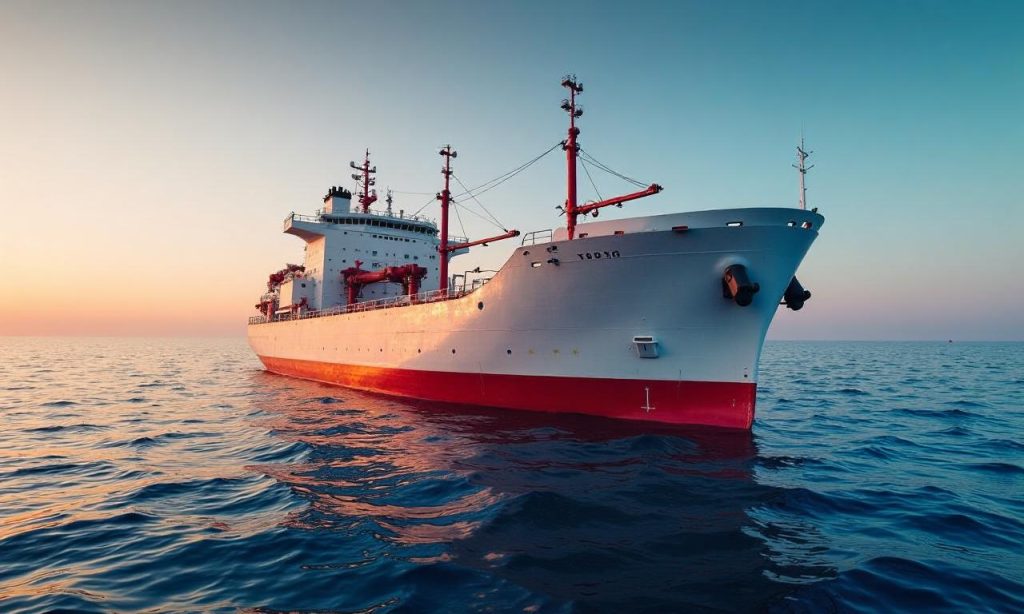
Some Iran-linked ships have crossed US blockade, data suggests
BBC Verify’s analysis of ship-tracking data indicates that at least four vessels originating from Iranian ports appear to have breached the US naval blockade in the Gulf of Oman. The blockade, which began on Monday, was intended to restrict movement through the Strait of Hormuz, a critical maritime corridor. However, the data reveals that some ships have crossed the designated line despite the restrictions.
“Thank you!” President Donald Trump tweeted on Truth Social, emphasizing that the naval blockade would continue “as it pertains to Iran, only, until our transaction with Iran is 100% complete.”
Iran’s foreign minister, Abbas Araghchi, stated on Thursday that the Strait of Hormuz would remain open for the duration of the ceasefire, set to expire on 22 April. His declaration came as the US maintained its blockade, which President Trump insisted would persist.
Ships from other nations are permitted to navigate the blockade, according to US officials. The focus on the Strait of Hormuz has intensified due to its strategic role in the US-Israel conflict with Iran. The disruption to shipping since the conflict began on 28 February has had significant economic consequences, affecting energy prices and highlighting global reliance on the waterway connecting the Gulf to the Indian Ocean.
Before the conflict, an average of 138 vessels daily traversed the strait, according to the Joint Maritime Information Centre. At a Pentagon press briefing, General Dan Caine, the top US military officer, presented a map illustrating the blockade line stretching from Oman’s eastern coast to Iran’s border with Pakistan. He clarified that the blockade applies to all ships, regardless of nationality, entering or exiting Iranian ports.
The US Navy has also announced plans to intercept vessels suspected of transporting Iranian-linked contraband, including oil, weapons, and nuclear materials. Yet, tracking data suggests that at least four ships from Iranian ports have crossed the blockade line since its implementation. Three of these vessels—Shabdis, Tava 4, and Azargoun—are under US sanctions and are currently broadcasting positions off India’s coast. The Ashkan3 25278 is reported to be near Pakistan’s Karachi port.
Ship-tracking depends on accurate location data. Some vessels may disable their trackers or send false signals, a tactic known as spoofing. Experts note this is common among Iranian-linked ships under sanctions. When BBC Verify inquired about the four vessels, the US Central Command provided no additional information beyond what General Caine had stated.
Further analysis shows at least three more sanctioned tankers have also crossed the blockade line since Monday. These ships avoided detection because they did not report visiting Iranian ports. In the first 72 hours of the blockade, 14 vessels reportedly turned back under US direction. Tracking data reveals two additional ships with Iranian ties reversed course near the blockade line.
The Iranian-flagged container ship Kashan and the tanker Simba V were both sanctioned for their connections to Iran. Centcom later released a video of a ship being escorted by the USS Michael Murphy, claiming it showed the Deep Sea tanker. This vessel, sanctioned by the US, has not transmitted location data for over a month. BBC Verify’s satellite analysis, however, suggests the tanker is now near Chabahar, an Iranian port.
Despite the evidence, Centcom has yet to confirm the identity of the ship in the video or the location of its interception.