Worldwide race to trace passengers from hantavirus-hit cruise ship
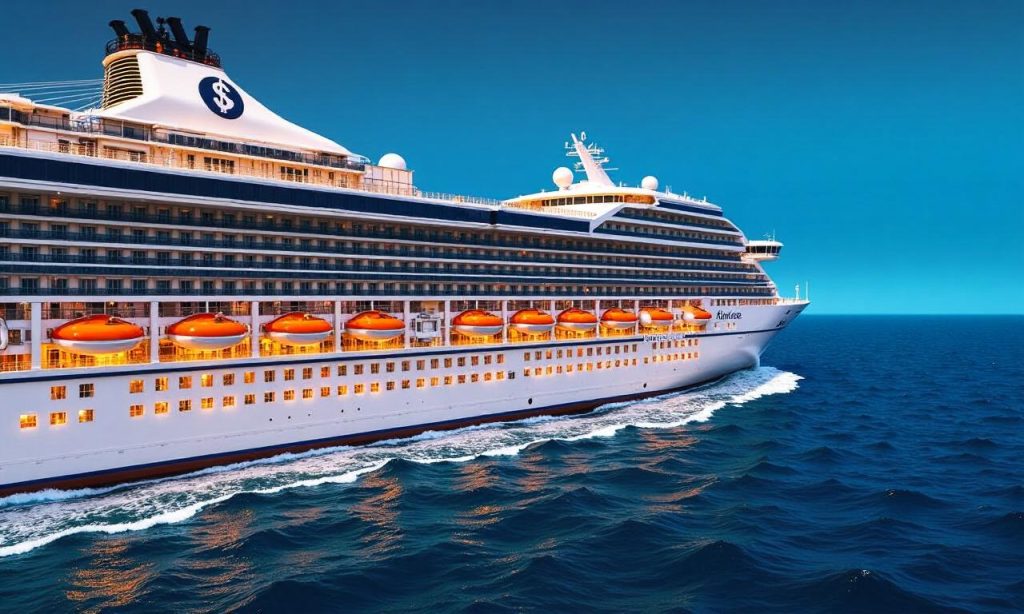
Global Health Agencies Mobilize to Track Hantavirus Cases from Cruise Ship
Worldwide race to trace passengers – As the hantavirus outbreak on the Dutch cruise ship MV Hondius gains attention, international health organizations are intensifying efforts to identify individuals who may have been exposed to the virus. Dozens of passengers and crew members disembarked from the vessel before the initial cases were confirmed, prompting a coordinated search for those who came into close contact with infected individuals. The World Health Organization (WHO) has confirmed five total cases, including three fatalities, but warns that the current situation does not signal the onset of a pandemic like the one caused by Covid-19 six years ago. This strain of the virus, known for spreading via direct, intimate contact, presents a different challenge compared to airborne pathogens.
Incubation Period Raises Concerns for Potential Spread
The WHO emphasized that while the outbreak is not yet a pandemic, the extended incubation period—up to six weeks—means the situation could evolve. This timeline allows for the virus to spread among those who may have been exposed after leaving the ship, complicating containment efforts. The MV Hondius, which embarked on its journey from Ushuaia, Argentina, on 1 April, is expected to reach Spain’s Canary Islands by 10 May. During its voyage, the ship made stops at the remote Atlantic island of Tristan da Cunha and the British Overseas Territory of St Helena, where a significant number of passengers disembarked.
According to the BBC, the ship initially carried 150 people from 28 different countries, with over 50 having departed before the first confirmed case was reported on 4 May. The Dutch vessel, operated by Oceanwide Expeditions, was denied docking in the West African archipelago of Saint Helena and instead remained anchored off its coast for several days before continuing its route. This delay may have impacted the timeline of the outbreak’s detection and response.
Tracking Exposure Across Multiple Countries
Health authorities in 12 countries are currently monitoring citizens who returned home after traveling on the MV Hondius. These nations include Canada, Denmark, Germany, the Netherlands, New Zealand, Saint Kitts and Nevis, Singapore, Sweden, Switzerland, Turkey, the United Kingdom, and the United States. The WHO is working closely with officials to gather data and ensure proper follow-up, as the potential for asymptomatic transmission remains a key factor.
Three British nationals are under investigation for possible hantavirus exposure. Seven of them disembarked in St Helena on 24 April, with four still residing there. One patient is currently on Tristan da Cunha, where the ship made a stop in mid-April, and two other British men have been confirmed as infected. Martin Anstee, a 56-year-old retired police officer from the Netherlands, is in stable condition after being evacuated from the ship. The second British case involves a man who was flown to South Africa last month and is now receiving intensive care.
Additionally, two British nationals are self-isolating at home in the UK following potential exposure. These individuals are doing so voluntarily and have not developed symptoms. The US Centers for Disease Control and Prevention (CDC) has classified the outbreak as a “level 3” emergency response, indicating the lowest risk category but still requiring active monitoring. Five US states have reported tracking individuals who were on board: Georgia and Texas each have two cases, while Arizona, Virginia, and California are monitoring unspecified numbers.
Investigating the Source of the Outbreak
The WHO highlighted that the source of the hantavirus outbreak remains uncertain, though the Argentine government is examining whether infections began in the country. Before boarding the cruise, the Dutch couple who contracted the virus had undertaken a bird-watching trip through Argentina, Chile, and Uruguay, visiting regions where the Andes strain of the virus is known to be carried by rodents. This connection raises questions about how the virus was initially transmitted aboard the ship.
French health officials have identified eight nationals who had contact with the Dutch woman who died from hantavirus. This woman, a passenger from Germany, developed a fever on 28 April and later exhibited pneumonia symptoms. Her body was still aboard the MV Hondius when the ship departed, according to the cruise operator. The French Ministry of Health reported that one of the eight individuals showed mild symptoms, while the rest were offered isolation and testing options. Testing results are pending, and the agency has been proactive in tracking potential cases.
Challenges in Coordinating the Response
“The outbreak response has been ‘highly chaotic and uncoordinated,’ but there was little general risk to the public,” remarked a health expert speaking to the BBC. This assessment underscores the complexities of managing a virus that spreads through close contact, requiring careful tracing rather than mass quarantine measures.
Despite the initial confusion, the WHO noted that the current situation is more contained compared to previous global health crises. The focus is on identifying and monitoring individuals who may have been exposed, rather than implementing broad restrictions. However, the extended incubation period means the outbreak could still escalate, depending on how many people were in contact with the infected individuals during their travels.
Of the 13 Dutch nationals on the MV Hondius, eight are passengers and five are crew members. Two of these individuals have died, while a third Dutch woman, who tested positive for hantavirus, succumbed to the illness in South Africa after being evacuated from the ship. The remaining cases involve individuals who are asymptomatic but under observation. For instance, Martin Anstee, a Dutch man, is being monitored in the Netherlands, while another Dutch woman remains in intensive care in South Africa.
With the cruise ship’s itinerary spanning multiple continents, the international collaboration between health agencies is critical. While the WHO has confirmed the presence of the Andes strain in the affected regions, the exact point of infection is still under investigation. The Argentine government is currently analyzing whether the virus was contracted before or during the cruise, as the ship’s initial stop in the country could be a key factor.
As the search for more cases continues, the WHO is urging vigilance from health authorities worldwide. The unique transmission method of this hantavirus strain, combined with the delayed onset of symptoms, requires a targeted approach. While the risk to the general public is considered low, the potential for localized outbreaks remains, particularly in areas where the virus may have been introduced through contact with infected individuals.
Global health officials are now working to ensure that all potential cases are identified and monitored. The cruise ship’s journey, which began in Argentina and included stops in Saint Helena and Tristan da Cunha, highlights the need for international cooperation in tracking diseases that can cross borders. As the situation unfolds, the focus will remain on containing the spread and providing medical support to those at risk. The WHO’s ongoing efforts, alongside the work of local health agencies, aim to prevent a larger-scale outbreak while minimizing disruption to travelers and their communities.