Crucible pressure ’50 times worse than driving test’
Crucible Pressure ’50 Times Worse Than Driving Test’
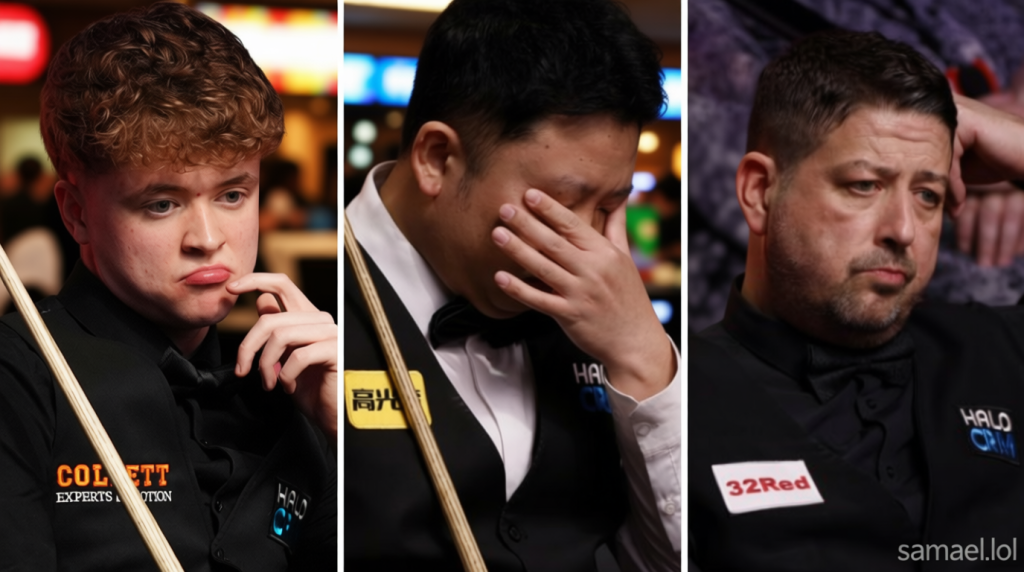
The World Snooker Championship, held annually at Sheffield’s Crucible Theatre, is renowned for its intense atmosphere. For 17 consecutive days, players face relentless scrutiny, with crowds so close they could physically reach out and touch them—or hand them sweets. This year’s tournament saw 16 competitors eliminated in the first round, including Stan Moody, Zhang Anda, and Matthew Stevens, highlighting the challenge of maintaining composure under such conditions.
A Champion’s Perspective on Crucible Stress
“There’s so much pressure playing at the Crucible, it can’t be replicated at any other venue,” remarked former champion and current world number one Judd Trump. His words reflect the daunting nature of the iconic venue, even for seasoned professionals.
Shaun Murphy, a 2005 winner, once described his driving test as the most nerve-wracking moment of his life. That sentiment shifted after a dramatic comeback in the first round of the 2026 championship. Facing a 53-17 deficit in the decider, Murphy staged a 10-9 victory over Fan Zhengyi, calling the experience of waiting in the chair, “praying for one chance,” as “50 times worse” than his driving test.
The Psychological Toll of the Crucible
Chris Henry, a subconscious brain and performance coach who has worked with stars like Shaun Murphy, Stephen Hendry, and Mark Selby, emphasizes the mental demands of the Crucible. “Snooker requires immense mental strength, especially when you’re stuck in the chair, feeling powerless,” he explained. The sport’s slow pace allows for deep introspection, which can amplify anxiety during critical moments.
Henry suggests techniques like breathing exercises to shift from negative to positive states. His advice was echoed by Mark Allen, who turned a 4-0 deficit against Kyren Wilson into a comeback. “They were annoying me with their sweet wrappers,” Allen noted, adding that accepting a piece of candy helped him refocus.
The Layout’s Role in Intensity
The Crucible’s design adds to its psychological challenge. In the first three rounds, players sit directly beside their opponents between frames, often without interaction. Neil Robertson, a 2010 world champion, recalled his first match at the venue: “I sat next to Hendry, who was world number one. He was stone-faced, not even acknowledging me—just inches away.”
For some, engaging with fans offers solace. Mark Williams famously took sweets from a spectator during the 2018 final, which he later credited with helping him secure his third world title. Such moments underscore how the Crucible’s environment tests not just skill, but resilience.
While the tournament continues, the Crucible remains a place where legends are forged and nerves are tested. Whether through quiet introspection or a simple sweet, players navigate its pressure like no other challenge in the sport.