F1 makes changes to address new engine rules concerns
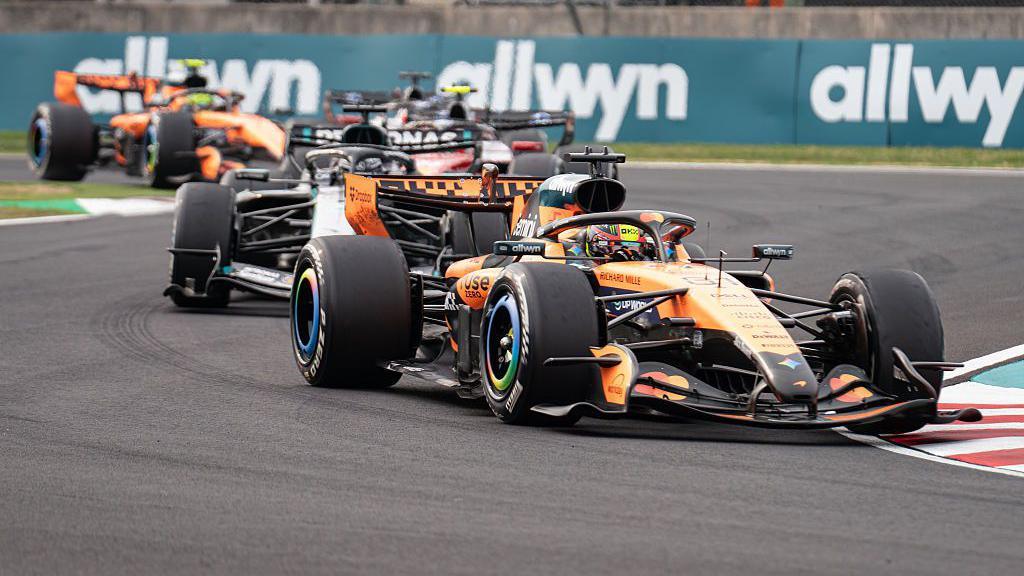
F1 makes changes to address new engine rules concerns
Formula 1 resumed its season after a five-week hiatus with the Miami Grand Prix kicking off in early May. The sport introduced several rule adjustments to tackle criticisms surrounding the latest engine regulations. These changes aim to balance performance and driver input, addressing issues raised by teams and competitors alike.
Driver Feedback and Rule Modifications
The new power units, which split energy between combustion and electric systems almost evenly, have required more energy management. This has sparked complaints from drivers, who argue that their ability to showcase raw skill has been compromised. Max Verstappen, a four-time world champion, expressed his concerns, hinting at potential considerations for his future in the sport.
Key modifications focus on how engines operate, designed to let drivers push harder during qualifying and minimize speed gaps between cars using full power and those relying on battery energy. The difference in power output—currently 470bhp—has been a point of contention, with the changes intended to reduce this gap.
Technical Adjustments and FIA Approval
The updates, which include a range of technical tweaks, will be implemented at the upcoming Miami Grand Prix on 1-3 May. A statement from the FIA noted these changes aim to “reduce excessive harvesting and encourage consistent flat-out driving.” Drivers were previously forced to lift off the accelerator on certain laps, a practice they described as “counter-intuitive.”
“We all share the same objectives. It’s how can we improve the product, make it out-and-out racing, and look at what can improve in terms of safety.” – Toto Wolff, Mercedes F1 boss
These modifications were approved by the F1 Commission during a meeting with team principals, F1 officials, and the FIA. They now await final approval from the FIA world council.
Qualifying and In-Race Changes
Qualifying rules have been adjusted to limit energy recovery. The permitted recharge per lap has been cut from 8MJ to 7MJ, reducing the time spent managing energy. Additionally, the maximum power recovered during “super-clipping”—when drivers use full throttle without battery—has been raised to 350kw, up from 250kw.
During races, the “boost” mode power will be capped at 150kw or the car’s existing deployment level. Full 350kw (470bhp) of electrical power is now allowed only in acceleration zones after corners, while other parts of the lap are restricted to 250kw. This adjustment applies to sections labeled “straight-line mode,” where aerodynamic components are deployed to enhance speed.
Safety and Weather Concerns
The high power of the new engines, when fully deployed, raised questions about car behavior in wet conditions. Revised rules, based on driver feedback, have been introduced to address these concerns. For instance, Oliver Bearman’s crash at Suzuka last month highlighted the need for safety measures, particularly when speed differentials between cars in different deployment states become extreme.
The FIA emphasized that these changes are meant to “reduce excessive closing speeds while maintaining overtaking opportunities and overall performance characteristics.” By limiting power in specific zones, the aim is to ensure safer racing dynamics without sacrificing competitive balance.