Hire, fire, final – Chelsea’s player power may be ugly, but it wins
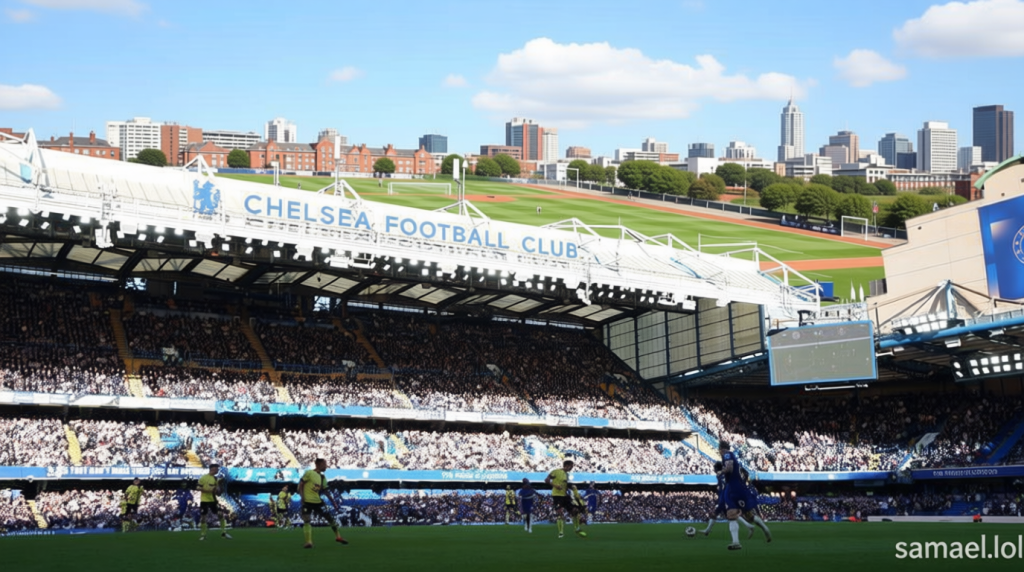
Hire, Fire, Final – Chelsea’s Player Power May Be Ugly, But It Wins
Chelsea’s journey to the FA Cup final, secured through Enzo Fernandez’s decisive header against Leeds United, has once again highlighted the team’s reliance on player-driven momentum. Despite the chaotic nature of their recent campaign, the triumph at Wembley offered a glimpse of the resilience that has defined the club’s legacy. The 1-0 victory, though modest, marked a turning point for a squad that had struggled with consistency, leading to the dismissal of manager Liam Rosenior after just 106 days in charge.
The Blueprint of Chaos
Roman Abramovich’s “hire ’em, fire ’em” approach has long been a hallmark of Chelsea’s management style, creating a dynamic yet unstable environment. From 2003 to 2022, this strategy saw the club compete in 30 finals under 15 managers, including interim appointments. A notable example occurred in 2012, when caretaker Roberto di Matteo led Chelsea to Champions League and FA Cup glory following the sacking of Andre Villas-Boas. This pattern of rapid managerial changes, while sometimes controversial, has repeatedly delivered success.
“I wouldn’t question their character,” said interim head coach Calum McFarlane after the match. “It’s been questioned because of the results. We’re playing against top teams, you get in a rut. People are reactive to the results. That group has massive character.”
Under the current BlueCo ownership, Chelsea’s approach has shifted slightly, yet the same cycle persists. The club has claimed two major titles—Conference League and Club World Cup—since 2022, and now finds itself in a final against Manchester City on 16 May. This opportunity to redeem a faltering season hinges on the players rediscovering their form, a challenge they’ve faced repeatedly this term.
Fernandez’s Redemption
The Argentine midfielder, Enzo Fernandez, emerged as a central figure in Chelsea’s victory. His 23-minute goal, a firm header past Leeds’ goalkeeper Lucas Perri, ended a 498-minute streak without a Premier League goal for the club. It also marked their first clean sheet against top-flight opposition since January 17. Fernandez’s performance was a stark contrast to his earlier suspension, imposed by the club after Rosenior accused him of “crossing a line” during a post-Champions League interview.
Rosenior’s exit was catalyzed by a string of five league losses without a goal, a grim record not seen since 1912. The players’ display at Wembley, however, suggested a return to form, with their attitude and effort noticeably improving under McFarlane’s temporary guidance. For Chelsea’s hierarchy, the match served as a reminder of the fragile balance between ambition and unpredictability.
With the FA Cup final looming, the spotlight is on whether Chelsea can replicate past successes. The owners, often criticized for their hands-off approach, now face the challenge of translating this late-season surge into a trophy win—a feat the club has mastered before, despite the turbulence of its managerial changes.