Miami race brought forward because of storm threat
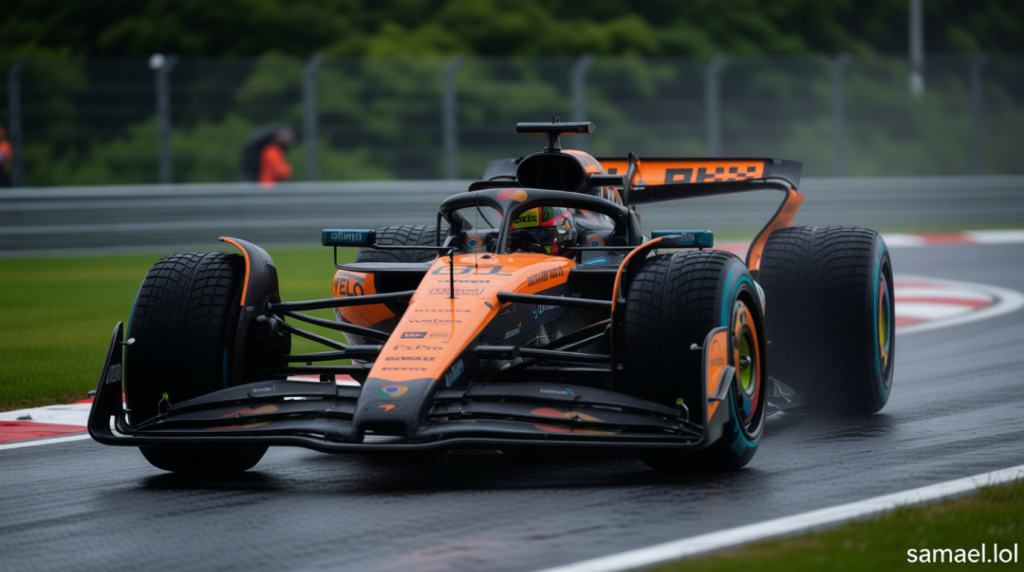
Miami Race Advanced Due to Storm Forecast
Miami race brought forward because of storm – The 2025 Miami Grand Prix sprint race commenced under challenging conditions, as rain disrupted the initial plans. In response to the looming threat of thunderstorms, the event was rescheduled to start at 18:00 BST (13:00 local time), three hours earlier than originally intended. This adjustment aims to mitigate the risks posed by the weather, ensuring a safer and more competitive race day for all participants.
Weather-Driven Schedule Change
The decision to shift the race time came after a thorough assessment by Formula 1’s commercial rights holders and the FIA. The primary concern was the weather forecast, which predicted heavy downpours late in the afternoon, close to the original start time. This would have left the circuit vulnerable to dangerous conditions, including potential lightning strikes. Under US regulations, such threats could lead to the race being suspended, forcing teams to halt operations immediately.
F1 and the FIA emphasized that the move was strategic, prioritizing safety while minimizing disruptions. The goal is to complete the event before the most severe weather arrives, which is anticipated around 15:00 local time (20:00 BST). This window allows for optimal racing conditions, even if the race remains wet. The lingering rain is expected to persist for several hours, making the timing adjustment critical to avoid potential delays.
Driver Challenges and New Car Dynamics
World champion Lando Norris, driving for McLaren, acknowledged the difficulty of the upcoming race. “It’s going to be a big challenge on race day for everyone to perform and find the limit,” he said. The driver noted that Formula 1 teams are now navigating the complexities of the 2026 car regulations, which introduce a major shift in power delivery. The new engines generate unprecedented levels of electrical energy, but deploying this consistently in wet conditions has left some uncertainty.
“I don’t know how wet it’s going to be,” Norris admitted. “We’re thrown in the deep end, but that’s what we’re here to do. I look forward to it.”
McLaren’s teammate Oscar Piastri echoed similar sentiments, highlighting the unpredictability of the new power units. “It’s obviously a voyage into the unknown for everybody,” he said. “When it rains here, it’s usually torrential, so it could be an interesting day. The key is making sure the power distribution works as expected, especially in the chaos of wet weather.”
The 2026 rule changes, focusing on hybrid power systems, have added layers of complexity to the drivers’ preparation. Norris, who qualified fourth behind Mercedes’ Kimi Antonelli, Red Bull’s Max Verstappen, and Ferrari’s Charles Leclerc, is among the majority of competitors yet to test these new cars in moist conditions. This lack of experience could create additional hurdles, particularly with visibility and handling.
Teams’ Upgrades and Championship Tensions
The weekend saw teams implementing significant upgrades to their vehicles, as they vied for an edge in the tightly contested championship. McLaren, Red Bull, and Ferrari all introduced substantial modifications, while Mercedes opted for a more conservative approach, saving major developments for the upcoming Canadian race. This strategy has left some uncertainty about the competition’s balance, especially with the Miami race serving as a pivotal moment in the season.
McLaren’s performance in the sprint race was a strong indicator of their potential, with Norris leading a one-two finish over Piastri. However, their dominance in the sprint did not translate to the grand prix qualifying, where they struggled to maintain consistency. Meanwhile, Verstappen praised Red Bull’s recent progress, calling it “incredible” and “massive.” His comments followed a challenging performance in Japan, where he finished two seconds behind the pace. “When I get a car that is more together, I get more confidence,” Verstappen explained. “That confidence allows me to push harder and extract the most from it.”
The four-time champion, who is currently leading the championship, expressed satisfaction with the team’s recent improvements. “In that lap, I was just trying to hang on to it, and it was good,” he said, reflecting on the race’s intensity. The timing of the Miami race adds pressure to his performance, as a strong showing could further solidify his position in the standings. However, the unpredictable weather raises the stakes, demanding precision from both drivers and engineers.
Impact of Weather on Racing Conditions
The challenges of racing in the rain are well understood, but the 2026 cars bring new variables to the equation. F1 cars are designed to handle wet conditions, yet the combination of heavy spray and standing water on the track can severely affect visibility and traction. Norris highlighted that aquaplaning remains a concern, particularly for low-slung vehicles, which may struggle to maintain grip during intense downpours.
Several protocols have been introduced by the FIA to manage the situation. These include measures to ensure all personnel can shelter in place if lightning strikes near the circuit. While the race is still expected to be wet, the hope is that the adjusted schedule will provide a margin for drivers to adapt. Norris admitted that the new cars require a different approach to racing, one that balances power management with driver skill.
The Miami race is not just a test of machinery but also a showcase of adaptability. With the storm threat still present, teams are working to fine-tune their strategies. The FIA’s decision to move the start time underscores the importance of weather in shaping Formula 1’s calendar and outcomes. As the race approaches, the focus remains on ensuring the event proceeds safely, despite the uncertainties that rain brings.
Historical Context and Season Implications
The rescheduling of the Miami Grand Prix follows the cancellation of the previous two grands prix in Bahrain and Saudi Arabia, which were affected by the Middle East conflict. This week’s decision marks another proactive move by F1 and the FIA to maintain the sport’s momentum. The same team that made the adjustments for Bahrain and Saudi Arabia is now applying the same logic to Miami, prioritizing continuity over traditional race timing.
For Norris, the race represents a critical opportunity to showcase his resilience. His comments about the “deep end” reflect the broader sentiment among drivers, who must now contend with the new regulations and unpredictable weather. The outcome of the Miami race could set the tone for the rest of the season, particularly as teams prepare for the challenges of Canada and beyond.
As the countdown to the race begins, all eyes are on the circuit, where the interplay of technology and nature will determine the result. The FIA’s decision to advance the start time highlights the sport’s ability to respond to unforeseen circumstances, ensuring that the spectacle of Formula 1 remains intact. With the storm still looming, the drivers are ready to face whatever comes their way, armed with their expertise and the latest innovations in car design.