As Strait of Hormuz reopens, Europe looks to secure shipping
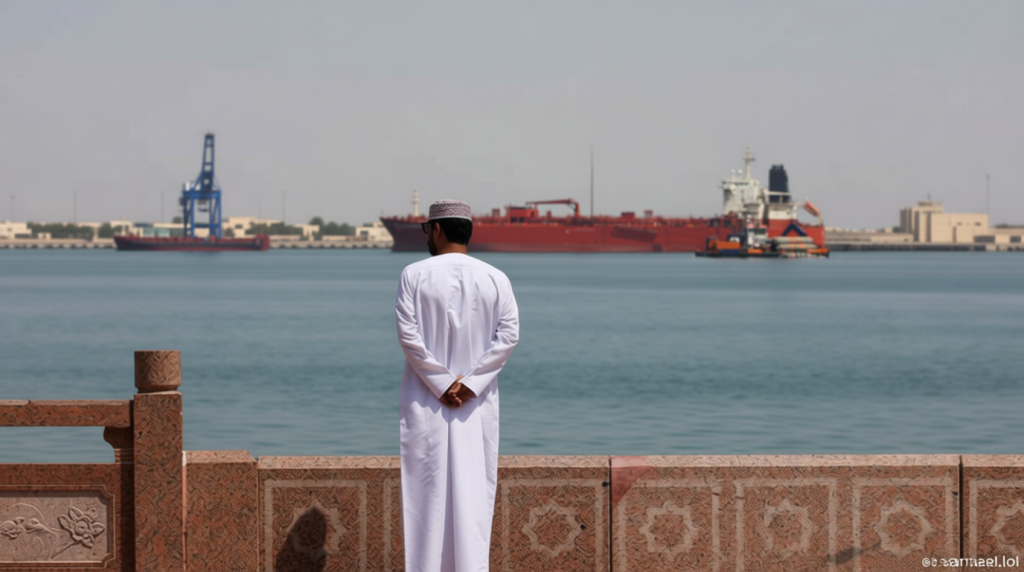
As Strait of Hormuz Reopens, Europe Aims to Secure Shipping Routes
Following the announcement that the Strait of Hormuz is now “open” to commercial vessels, France and the UK have indicated their willingness to spearhead an international mission to ensure safe passage through the critical waterway. However, the deployment of such a task force is contingent on the conclusion of the Iran war, which remains ongoing. The coalition of nonbelligerent nations, including Germany and Italy, met in Paris this week, expressing cautious optimism about the situation.
A temporary ceasefire between Iran and the US-Israeli alliance has paused hostilities until April 22, while a separate 10-day truce between Israel and Lebanon, Hezbollah’s stronghold, was also declared. Despite these developments, European leaders remain wary. French President Emmanuel Macron emphasized at a press briefing that “the ceasefires in Lebanon and Iran, as well as Iran’s statement on the Strait of Hormuz, are steps in the right direction,” but cautioned that “these changes must be viewed with prudence.”
UK Prime Minister Keir Starmer, who co-chaired the Paris meeting, highlighted the need for the strait’s reopening to be “both enduring and a viable solution.” The coalition included representatives from over 50 countries across Europe, Asia, Africa, and South America, with many participating remotely. This broad involvement underscores a shared interest in stabilizing maritime trade, which had stalled since the conflict began on February 28.
“The war first needs to end completely, and even then, the risk of renewed tensions or accidental clashes remains high,” said Ian Ralby, a maritime analyst with the US-based NGO Auxilium Worldwide.
Iran’s claim of laying mines in the strait has intensified concerns, according to Michelle Wiese Bockmann of UK-based Windward. She noted that the threat has prevented traffic from resuming, with 832 tanker ships and cargo vessels still blocked. “The uncertainty surrounding the presence of mines has raised insurance costs and kept the region in limbo,” she explained.
Nonbelligerent nations have pledged to assist by escorting ships and clearing mines. German Chancellor Friedrich Merz stated, “We could provide mine-clearance vessels — we are skilled in that area,” but stressed the need for a “solid legal framework” to justify intervention. Dominique Trinquand, a French military consultant, added that the US would benefit from European support, particularly in deploying tripartite mine-clearing assets under French, Dutch, and Belgian control.
Former NATO leader Jean-Paul Palomeros argued that the coalition should leverage its maritime expertise as a strategic advantage. “The Europeans are better equipped than the Americans to handle this,” he remarked. The group’s efforts also aim to demonstrate goodwill to the US, following former President Trump’s criticism of European nations for not fully backing the Iran war.