India news: Jaishankar discusses Middle East conflict in UAE
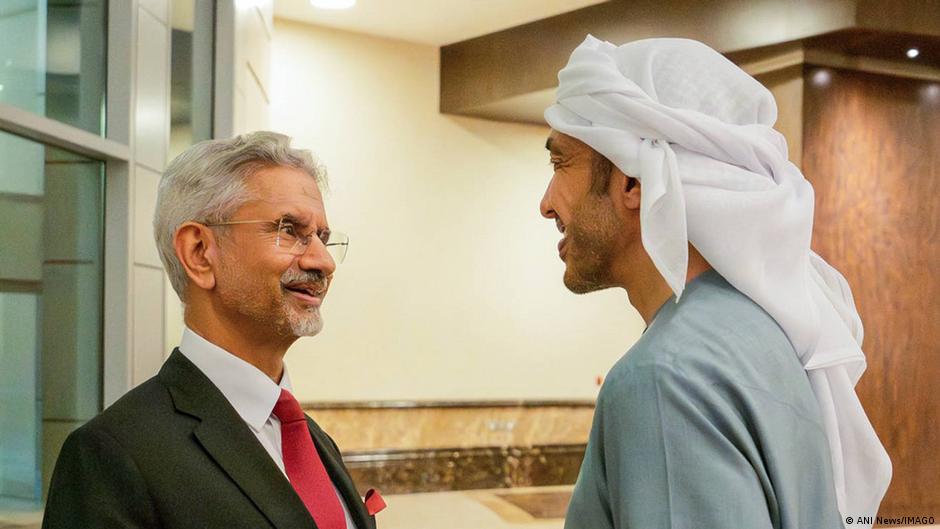
India News: Jaishankar Engages with UAE Deputy PM on Middle East Conflict
India is intensifying its diplomatic ties with Middle Eastern allies to evaluate the regional war’s effects on trade and energy stability. As the nation navigates the fallout from escalating tensions, Foreign Minister Subramanyam Jaishankar held discussions in Abu Dhabi with the UAE’s Deputy Prime Minister and Foreign Minister Abdullah bin Zayed. Jaishankar shared his appreciation for the UAE’s support toward the Indian diaspora, emphasizing the potential for deepening their strategic alliance.
“We are confident that our Comprehensive Strategic Partnership will grow stronger in the coming months,” Jaishankar stated in a social media update, accompanied by images of the meeting.
The UAE, a vital economic partner, hosts millions of Indian workers and remains India’s second-largest export market after the United States. With the region’s energy infrastructure under strain, India seeks to safeguard its trade interests through closer collaboration. This visit follows a U.S.-Iran ceasefire, underscoring India’s proactive approach to regional stability.
Delhi’s Draft EV Policy Targets 2028 Fossil Fuel Ban
A proposed policy by the Delhi government aims to phase out new fossil-fuel-powered two-wheelers by 2028, targeting emissions in the nation’s most polluted urban hub. The plan highlights vehicular pollution as the primary source of smog in the Delhi NCR, with winter emissions accounting for 23% of the region’s air quality issues.
“Two-wheelers make up 67% of Delhi’s vehicle fleet, so their electrification is essential for reducing emissions significantly,” the policy document noted.
The draft Delhi Electric Vehicle (EV) Policy 2026-2030, released for public feedback, includes incentives for electric two-wheelers, three-wheelers, and commercial vehicles. Tax benefits for EV buyers are also outlined, expanding beyond cars to encompass a broader range of transportation. The policy will be open for 30 days before finalization, with implementation set for 2030.
West Bengal’s Political Shift: Fish as a Symbol of Identity
West Bengal, a coastal state, is transforming fish into a political emblem ahead of the 2026 assembly elections. As the ruling Trinamool Congress (TMC) faces the BJP, concerns over future fish access have sparked unusual public reactions. During a rally, Chief Minister Mamata Banerjee accused the BJP of intending to restrict fish, meat, and eggs, framing it as a threat to local traditions.
“They are unaware of the cultural heritage of West Bengal… It’s a party of outsiders,” Banerjee remarked, highlighting the issue’s significance beyond economic concerns.
While the BJP has previously advocated for vegetarianism in certain areas, the policy’s focus on West Bengal’s identity reflects broader political narratives. The weekend news roundup also featured Modi’s ongoing campaign in West Bengal, where he faces scrutiny over his handling of the Iran war and Pakistan’s mediation role.
Good morning! Welcome to DW’s weekend India news update. This is Mahima Kapoor from the New Delhi Bureau. As fellow citizens enjoy a relaxed Sunday, the nation grapples with critical developments shaping its economic and political landscape. We’ll return tomorrow with further insights and updates from India.