Is the UK heading for another drought this summer?
Is the UK heading for another drought this summer?
Early Signs of Drought in the UK
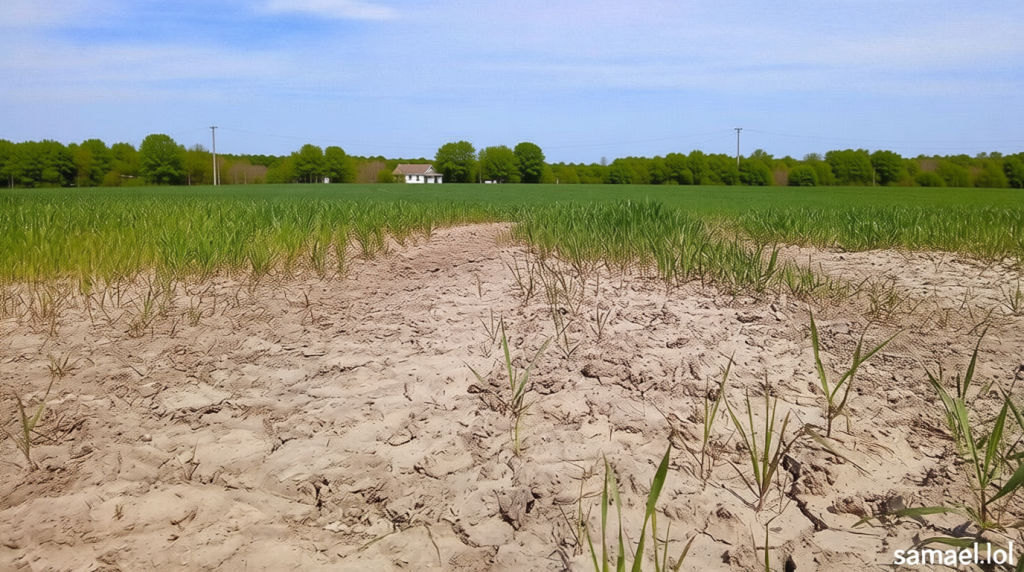
Is the UK heading for another – Across parts of the UK, parched soil and cracked earth have become visible, particularly in regions like Cambridgeshire. These signs are prompting discussions about the potential for a recurring drought this summer. While water reserves remain at standard levels currently, some areas are already showing early indicators of strain, reminiscent of conditions observed last year. The question is whether these dry spells will persist and lead to a more severe situation later in the year.
April Rainfall Trends and Regional Disparities
April has been exceptionally dry in several parts of the UK, with some locations receiving less than 1mm of rainfall. According to provisional data, Shoeburyness in Essex recorded only 0.6mm of rain during the month, a figure that represents a mere 2% of the average April rainfall. This extreme dryness has led to significant concerns, especially in areas such as Cambridgeshire and Bedfordshire, where rainfall levels have fallen below 5% of the norm. These regions are now experiencing some of their driest Aprils on record, creating a stark contrast with the wetter conditions observed in Scotland and Northern Ireland.
Meanwhile, the northern parts of the UK have received substantial rainfall, with the Highlands and Western Isles recording more than a month and a half’s worth of precipitation in April alone. Tiree, a remote island in the Inner Hebrides, has seen 124mm of rain—175% of the average for the month—highlighting the regional differences in weather patterns. While these areas have been spared the worst of the dry spell, the imbalance in rainfall distribution raises questions about the sustainability of water supplies across the country.
Agricultural Impact and Concerns
The effects of the dry conditions are already being felt in the agricultural sector. Andrew Blenkiron, a farmer managing 10,000 acres of land near the border of Norfolk and Suffolk, has had to begin irrigation earlier than usual. “After a dry March, we only received 2mm of rainfall in April, which is far below the average of 50mm,” he explained. This shortfall has forced his team to take preemptive action to protect crops, with concerns growing about the potential for reduced yields. “It’s like the crops are dying on their feet,” Blenkiron said. “If we don’t get the rain, yield potential could drop to about 50% of its maximum.” The impact of this early drought is expected to ripple through the agricultural calendar, affecting food production and regional economies.
According to the Met Office, the UK has received 23% less rainfall than usual in April, with England seeing just over a third of its average rainfall. This has left parts of East Anglia and the South East with even lower figures, exacerbating the situation for farmers and water managers. The Environment Agency has noted that river flows are now decreasing at most sites, a development that could signal the start of a prolonged dry period. As the summer progresses, these trends may intensify, leading to heightened competition for water resources.
Water Supply Fluctuations and Climate Factors
Although the northern regions have mitigated some of the drought concerns, the overall picture remains precarious. Southern and eastern areas, which have been the hardest hit, are facing a dual challenge: declining river levels and an increasing demand for water during hot weather. Simon Fluendy of Southern Water, which oversees supply in Kent, Sussex, Hampshire, and the Isle of Wight, emphasized that water scarcity is a pressing issue in the south-east. “Even though we had wet weather earlier in the year, there’s still a risk of drought,” he said. Fluendy also highlighted the need for vigilance, as climate change, population growth, and rising consumption are all contributing to the pressure on water resources.
Water stock levels in the UK have fluctuated rapidly, with some sources already showing signs of depletion. While Scottish Water reports that Scotland’s water reserves are at 95%, the situation in the south remains more fragile. The Environment Agency has noted that, despite some recovery in underground aquifers, the combination of high temperatures and low rainfall has left the region “officially water-stressed.” This means that while the country is not yet in full drought, the potential for a severe shortage is increasing, particularly in areas where the dry spell has taken a toll.
Looking Ahead: May Weather Patterns
The arrival of May brings a shift in weather patterns, with high pressure giving way to low pressure systems. This change is expected to introduce the possibility of showers and thunderstorms, offering a brief respite from the dry conditions. However, the first full ‘Flower Moon’ on Friday, 1 May, may not be enough to alleviate the concerns. While some areas could see increased rainfall by the middle of the month, the long-term outlook for the UK remains uncertain. The Environment Agency warns that river flows are still decreasing, and the risk of further drought is high if the trend continues.
Additionally, the impact of the dry April has already influenced the spring rainfall totals. For instance, Shoeburyness has seen just 11% of its average spring rainfall, a figure that underscores the severity of the current conditions. While the north of the UK has benefited from consistent rain, the south-east continues to struggle. This disparity has raised questions about the resilience of the country’s water infrastructure and the ability to adapt to changing climate conditions. The BBC Weather Monthly Outlook will provide further insights into these trends and their implications for the coming months.
Drought Declaration and Future Outlook
The UK has already declared a drought following the driest six months in decades, a development that has intensified the focus on water management strategies. Unseasonal warmth, which has dominated the late spring, is expected to ease during the bank holiday weekend as unsettled weather returns. However, the prolonged dryness has left many regions vulnerable, with the potential for a more severe summer drought. Experts warn that the combination of climate change and human activity is likely to make such events more frequent in the future.
As the summer approaches, the challenge for water authorities will be to balance the needs of agriculture, industry, and households. While some areas may see temporary relief from May’s weather, the long-term effects of the current dry spell could have lasting consequences. Farmers like Andrew Blenkiron are already preparing for the worst, and officials are urging the public to remain alert to the possibility of water shortages. The UK’s ability to weather this crisis will depend on both short-term rainfall patterns and the effectiveness of conservation measures implemented across the country.
With the spring season drawing to a close, the UK stands at a critical juncture. The combination of reduced rainfall and rising temperatures has created a perfect storm for water scarcity, particularly in southern and eastern regions. As the summer progresses, the situation will be closely monitored, with the hope that May’s showers will provide enough relief to prevent a full-blown drought. But for now, the signs are clear: the UK is on the path to another dry season, and the implications for its environment and economy are significant.