May’s full ‘Flower Moon’ will light up the sky on Friday 1 May
May’s Full ‘Flower Moon’ Will Light Up the Sky on Friday 1 May
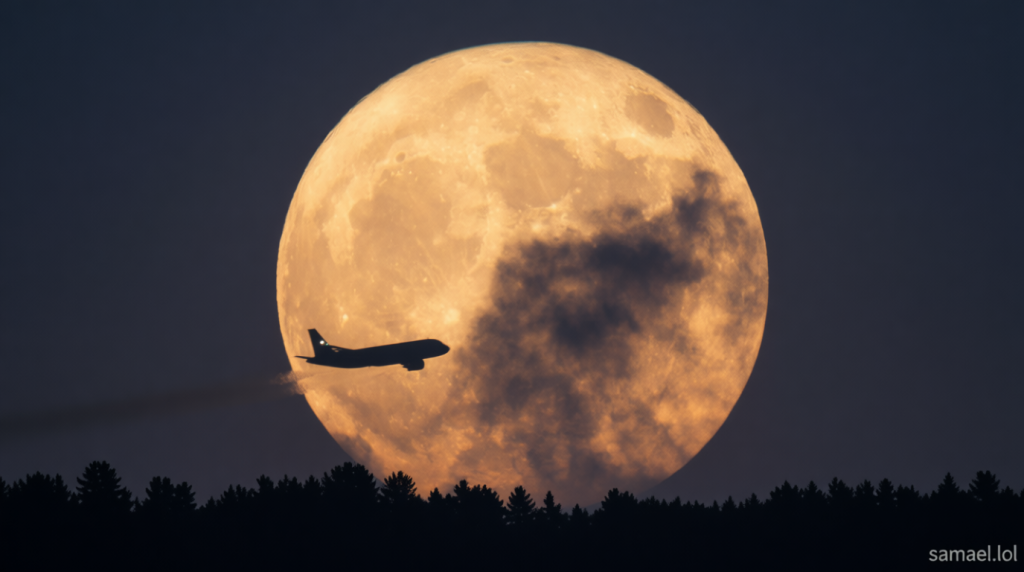
May s full Flower Moon will – On the evening of Friday, 1 May, the night sky will be graced by the annual ‘Flower Moon’ as it reaches its fullest phase at 18:23. This celestial event, one of the most anticipated of the year, marks a significant moment in the lunar calendar. While the term ‘Flower Moon’ may evoke images of blooming gardens, its origin is rooted in the natural rhythms of the season. The name, attributed to various cultural traditions, reflects the timing of the full Moon, which coincides with the period when spring flowers are in full bloom across the Northern Hemisphere.
A Micromoon and the Moon’s Orbit
Despite its prominence, this particular full Moon will appear slightly smaller than typical. Known as a ‘micromoon,’ it occurs when the Moon is at its farthest point from Earth in its elliptical orbit—a phenomenon called apogee. At this time, the Moon is approximately 406,000 kilometers (252,000 miles) away, which makes it appear about 14% smaller and 22% dimmer compared to a ‘supermoon’ at perigee. The variation in distance, which spans roughly 43,000 kilometers (26,000 miles), is a natural result of the Moon’s orbital mechanics, yet the difference is barely noticeable to the naked eye unless captured through photography.
When the Moon reaches apogee, it is positioned on the outer edge of its orbit, creating a unique visual experience. While the micromoon may seem less striking, it is still a mesmerizing sight, especially under clear skies. The BBC Weather website and app offer detailed forecasts for those hoping to catch a glimpse of the celestial spectacle, while the Weather Watchers community invites contributions of photographs and observations from around the world.
The Rare Blue Moon: A Second Full Moon in May
For those who miss the Flower Moon on 1 May, there is a second chance later in the month. This rare occurrence, dubbed a ‘Blue Moon,’ will appear on 31 May. A Blue Moon is not defined by its color but by its frequency—only one such event happens every two to three years. This year, the extra full Moon will add to the lunar calendar, as the average time between full Moons is about 29.5 days, resulting in 13 lunar cycles annually. The Blue Moon of May 2026, however, stands out as a notable event due to its timing and visibility.
Historically, the phrase ‘once in a Blue Moon’ has been used to describe something that occurs infrequently. This year’s Blue Moon, following the Flower Moon, is a prime example of how the Moon’s phases can create unexpected and rare astronomical events. While the exact reason for the name remains a subject of debate, it is often linked to the irregularity of the lunar cycle and the rarity of having two full Moons within a single month.
Weather Conditions and Viewing Opportunities
As the Flower Moon ascends, the UK’s weather will also undergo subtle changes. On Friday evening, areas of cloud and showers are expected to affect parts of the country, particularly in the west. The transition from high-pressure systems to lower ones will bring more moisture, increasing the likelihood of brief rain or misty conditions. However, clearer skies may return to Wales, the Midlands, and southern England, offering a better chance to witness the Moon’s glow.
Even a partial view of the Flower Moon through clouds can be breathtaking, as the Moon’s brightness and size create a striking contrast against the darker sky. The weather’s variability adds an element of anticipation for stargazers, who may need to wait for optimal viewing conditions. The BBC Weather website provides up-to-date forecasts, helping observers plan their viewing sessions effectively.
The Cultural Legacy of Full Moon Names
Full Moons have long been assigned names based on agricultural cycles, folklore, and cultural traditions. The ‘Flower Moon’ is one of many such names, each tied to specific seasonal events or historical practices. For instance, the term ‘Blue Moon’ originates from the concept of an extra Moon appearing in a calendar month, a phenomenon that occurs roughly every 2.7 years. This naming convention, while not universally standardized, reflects the Moon’s role in human history and natural observation.
“The names of full Moons are often connected to the seasons or agricultural activities, with many rooted in the traditions of Indigenous American tribes,”
Similarly, the ‘Flower Moon’ is believed to derive from the Cherokee tribe’s reference to the blooming of spring flowers. Other names include the ‘Harvest Moon’ in September and the ‘Wolf Moon’ in January, each with its own narrative. These names not only add a poetic touch to the lunar calendar but also serve as a reminder of humanity’s deep connection to the natural world.
Other Celestial Events in the Spring Sky
While the Flower Moon and Blue Moon dominate May’s astronomical highlights, other celestial phenomena are also worth noting. The spring season, characterized by its mild weather and extended daylight, is an ideal time for stargazing. In addition to the full Moons, meteor showers such as the Eta Aquarids in late April and the Lyrids in early May can offer stunning displays for skywatchers. The combination of these events, along with the Moon’s phases, ensures that the night sky remains a dynamic canvas for observation.
For those interested in the broader context of lunar events, the upcoming months will feature a variety of opportunities. The Moon’s elliptical path means that its size and brightness will fluctuate, creating a cycle of micromoons and supermoons. These variations are not just scientific curiosities but also a testament to the Moon’s intricate dance around Earth. Whether you’re a casual observer or a dedicated astronomer, the spring months promise a wealth of celestial delights.
Why the Flower Moon Matters
The Flower Moon’s significance extends beyond its visual appeal. It serves as a natural marker for the arrival of spring, a time of renewal and growth. In many cultures, the full Moon is associated with fertility, abundance, and the cycles of life. The blooming of flowers and the return of migratory birds in May align with the Moon’s full phase, reinforcing its role in the natural calendar.
Moreover, the Flower Moon offers a unique chance to reflect on the Moon’s impact on Earth. Its gravitational pull influences tides and, in some cases, weather patterns. While its effects on the atmosphere are subtle, the Moon’s presence is undeniable. For anyone hoping to connect with the cosmos, the Flower Moon on 1 May is a perfect opportunity to witness the beauty of our celestial neighbor, even if only for a brief moment.
As the nights grow warmer and longer, the Flower Moon will stand as a reminder of the Moon’s enduring presence in our lives. Whether you’re planning to capture its glow with a camera or simply take a moment to appreciate its light, this event is sure to leave a lasting impression. The interplay of the Moon’s phases, Earth’s seasons, and the changing weather creates a fascinating tapestry of natural phenomena that continue to captivate us.
With the upcoming Blue Moon in May 2026, the lunar calendar will again be a source of wonder and curiosity. These rare events, while brief, underscore the Moon’s importance in both scientific study and cultural tradition. As we look up at the sky, the names and stories of the full Moons add a layer of meaning to their presence, connecting us to the rhythms of nature and the passage of time.