Oldest known meteor shower to light up UK skies this week
Oldest known meteor shower to light up UK skies this week
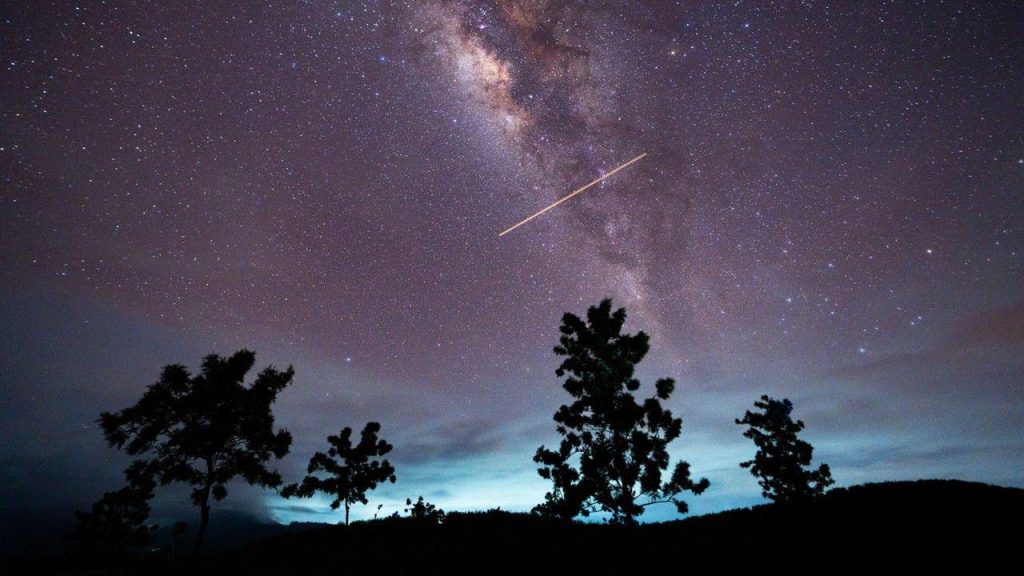
The Lyrid meteor shower, hailed as the most ancient recorded celestial display, will grace the UK’s night skies starting 16 April. This phenomenon occurs when Earth intersects the debris trail of Comet Thatcher, remnants from centuries past. Observers can expect a modest rate of 10–15 meteors per hour, though occasional bursts may elevate this to as many as 100 in a single hour.
Named for the Lyra constellation, where meteors seem to radiate from, the peak of this event will arrive on 22 April. A notable feature of the Lyrids is their vivid hues and luminous streaks, with rare instances of exceptionally bright fireballs that can outshine Venus. These dazzling displays are caused by microscopic dust particles, no larger than sand grains, interacting with atmospheric gases. The glowing trail forms as these particles cool and lose energy after combustion.
The light we see is generated when these grains collide with air molecules and ions, creating friction that heats them up and ionises them. This process produces the brief, brilliant flashes that streak across the sky.
Historically, the Lyrids were first documented in 687 BCE by ancient Chinese astronomers. Comet Thatcher, the source of this annual spectacle, completes an orbit around the Sun every 415 years. It will not be visible to the naked eye again until 2283, yet its debris continues to provide a yearly meteor shower.
While the Lyrids dominate April’s skies, other meteor displays will also be active. The Eta Aquarids, linked to Halley’s Comet, will reach their peak on 6 May 2026, with an average of 40 meteors per hour. These are named after the star Eta Aquarii in the constellation Aquarius, and their origin traces back to Halley’s orbit, which takes just 75–76 years to complete. The comet’s next appearance will be in 2061, but its annual dust trails will keep the Eta Aquarids and Orionids (peaking in October) visible for years to come.
Monthly Outlook
For optimal viewing, northern Scotland is forecasted to have the clearest skies on Thursday night, with cloud cover gradually moving in from the south-west. Rain may interrupt visibility in parts of the UK, but East Anglia and southeast England could offer brief clearings before Friday’s peak. Many areas might experience overcast conditions on Friday, though Saturday night promises the best opportunities for stargazers.
Those eager to catch the show can check real-time forecasts via BBC Weather or its mobile application. The upcoming spring months also present favorable conditions for Northern Lights, with 2026 anticipated to be particularly vibrant for such sightings.