Record fuel prices: How are governments responding?
Record Fuel Prices: How Are Governments Responding?
Global fuel costs have reached unprecedented levels, with Germany experiencing a 40% spike in diesel prices since the Iran conflict began. This surge has pushed diesel in the country’s top 100 cities past €2.43 per liter, while Super E10 gasoline now exceeds €2.18. Such figures surpass even the 1970s oil crisis, when fuel prices adjusted for inflation were still below €2. The current Middle East war has created a more severe disruption to oil supplies than the Arab OPEC embargo of the past, as noted by the International Energy Agency.
“The ongoing conflict has triggered a far greater supply shock to the global fuel market than the oil embargo of the 1970s,” said the International Energy Agency.
While Germany’s government has cut fuel taxes by €0.17, leading to a projected €1.6 billion shortfall, other nations are adopting varied strategies. In Ireland, a half-billion-euro relief package was approved after widespread protests over rising energy expenses, including subsidies for heating costs and temporary tax waivers at gas stations.
Turkey implemented a sliding fuel tax system in 2018, which automatically reduces levies when prices rise. However, Finance Minister Mehmet Simsek warned that this approach is only viable temporarily, as sustained high market prices threaten long-term fiscal stability.
“This system is financially sustainable only in the short term,” cautioned Finance Minister Mehmet Simsek.
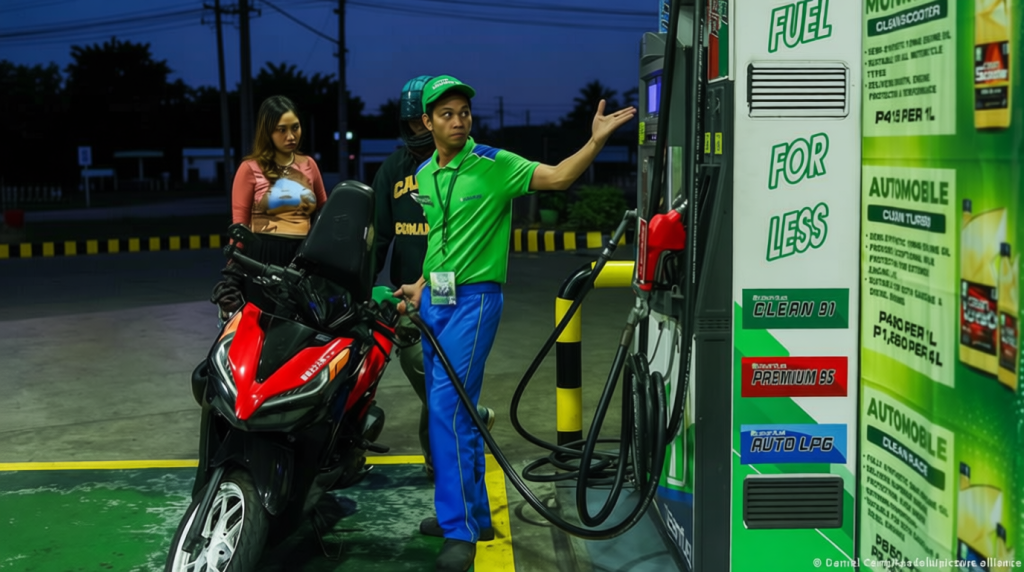
Asian countries like the Philippines, which rely heavily on Gulf oil imports, have seen prices double since February. Despite this, the government has limited its actions to suspending taxes on liquefied petroleum gas, lowering the cost of a standard 11-kilogram cylinder by about €0.50. Japan and South Korea, meanwhile, have set price caps on fuels, allocating €4 billion and €3 billion respectively to offset rising costs for refineries and support households.
China, though less reliant on oil and gas, still faces a 30% increase in fuel prices over the last two months. Its state-controlled pricing mechanism provides limited relief against global market trends. India has reduced fuel taxes by €0.09 per liter, while increasing export duties on diesel and jet fuel to retain supplies domestically. Pakistan, in contrast, has pursued an entirely different approach.