‘I haven’t slept for days’: Iranians describe mounting desperation after a month of war
Samael.lol – Warning: this article contains details which some readers may find distressing. The war, initially a distant event for many in Tehran, has now seeped into daily life. Setareh, a young woman from the capital, once looked forward to work as a place of connection and stability. That changed when an ominous noise and vibrations rattled her office. “I think it’s a bomb,” she shouted to her colleagues, prompting a frantic evacuation to the rooftop. “We saw smoke rising, but we didn’t know which area had been hit,” she recalls. The ensuing panic lasted for hours, with chaos gripping the workplace. By that evening, her boss had closed the business and laid off his employees.
Despite state-imposed censorship, the BBC has gathered testimonies from Iranians across the country through trusted on-the-ground sources. Setareh’s identity and profession remain hidden to avoid detection by the regime’s secret police. Yet her story mirrors that of millions. The war has stripped her of sleep, as anxiety about the future keeps her awake. “I haven’t slept for several nights and days in a row,” she says. “I rely on strong painkillers to drift off, but the fear is overwhelming. I don’t know what to do when I imagine these conditions continuing.”
Setareh’s concerns reflect broader economic struggles. Even before the war, Iran’s economy was in crisis, with food prices surging by 60% over the past year. Now, shortages and inflation have left many without means to survive. “We can’t afford basic food. What’s in our pockets doesn’t match what we pay at the market,” she explains. Years of sanctions and the regime’s policies have prevented families from building savings, leaving them vulnerable. “The people I thought might have money to lend also don’t have anything,” she adds.
These hardships fueled the massive protests that erupted in late 2025 and early 2026. Setareh fears the situation could repeat itself. “I don’t know how this wave of unemployment will be managed. There’s no support system, and the government will do nothing for those affected,” she says. Her hope for change is tied to the war’s outcome: “The real war will start if this conflict ends without any result.”
“I can honestly say I haven’t slept for several nights and days in a row.”
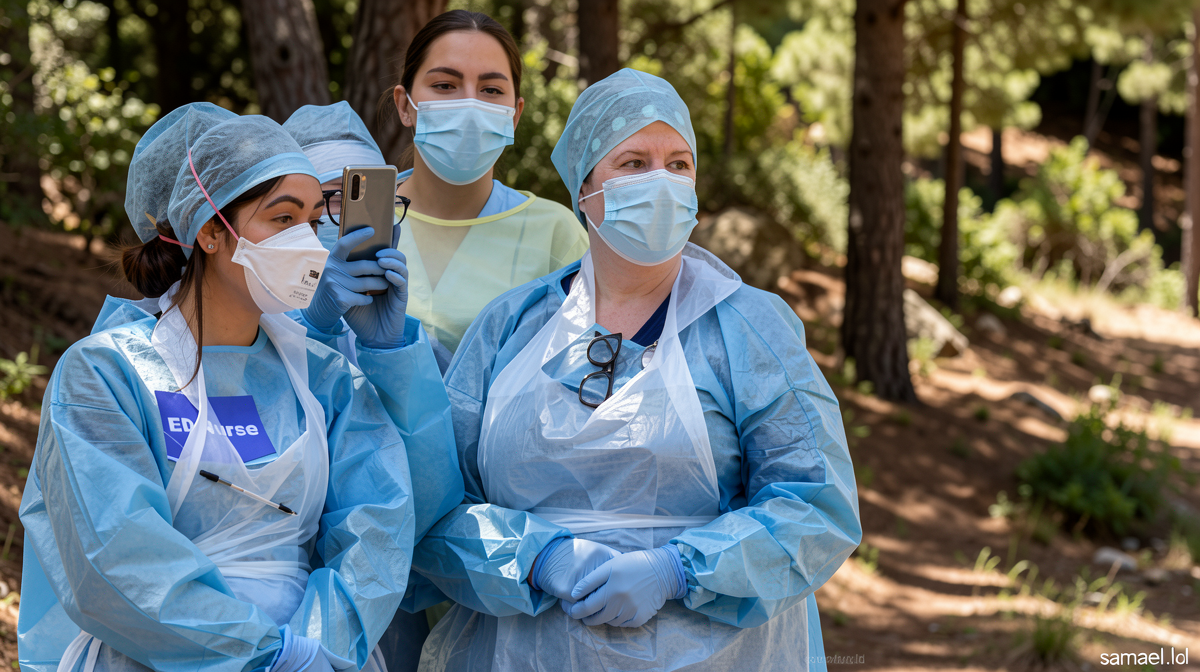
Elsewhere, “Tina” a nurse in a hospital near Tehran, recounts the war’s impact on healthcare. “The shortage isn’t widespread yet, but it’s beginning,” she says. “The most critical issue is that this war must not reach hospitals. If the conflict continues and infrastructure is targeted, we’ll face severe problems.” Her memories of the bombings are vivid: “Bodies arrived at the hospital that were not recognisable… some had no hands, some had no legs,” she describes. One haunting image is of a pregnant woman killed in an air strike. “Her house was close to a military centre. When they brought her to the hospital, neither the mother nor the foetus was alive. She had been just two months from giving birth, but both had died.”
Tina’s story echoes her mother’s experiences from the Iran-Iraq war of the 1980s. “My mother was pregnant with me during that time and had to flee to bomb shelters,” she says. “Now, I see the same desperation in people’s eyes, but the stakes feel higher.” Across six cities, sources shared similar accounts of rising economic pressure and a collective yearning for the government’s downfall. For many, the war has become a catalyst for despair, threatening not just livelihoods, but survival itself.