Bombing of Iran’s pharma producers threatens patients’ lives
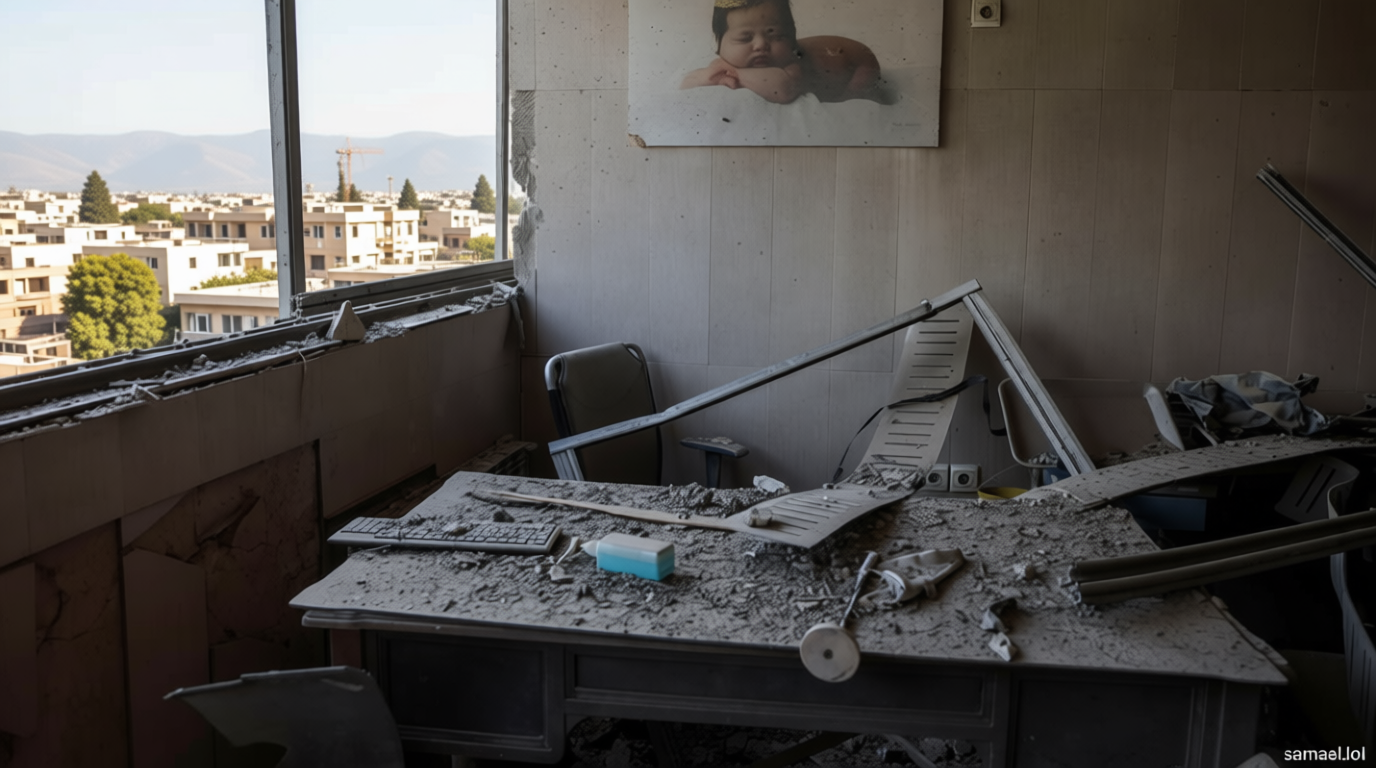
Samael.lol – As the conflict between the U.S. and Israel intensifies with Iran, aerial assaults on pharmaceutical and medical infrastructure are jeopardizing thousands of lives by disrupting access to essential treatments. Doctors and activists have raised alarms over the sustained strikes targeting both military and civilian sites, which are straining Iran’s healthcare system. Iranian officials state that numerous pharmaceutical factories and medical facilities have been struck since the bombing campaign began in late February. The World Health Organization (WHO) recently confirmed damage to the Tofigh Daru facility, a key producer of cancer drugs, as well as the Pasteur Institute, a psychiatric hospital, and another hospital outside Tehran. The organization has documented over 20 attacks on the country’s healthcare system, resulting in at least nine fatalities, according to WHO chief Tedros Adhanom Ghebreyesus.
International Law Experts Condemn Attacks
Separately, more than 100 U.S.-based international law experts, including academics from Harvard, Yale, and Stanford, criticized the strikes for targeting schools, health centers, and residential areas. They cited reports from the Iranian Red Crescent, which noted 236 bombed health centers within three weeks of the conflict. The letter described the U.S. and Israeli actions as a “clear violation of the United Nations Charter” and highlighted “serious concerns about breaches of international humanitarian law, including possible war crimes.”
Conflicting Claims Over Targeted Facilities
Following the attack on Tofigh Daru last week, Iran’s Deputy Health Minister Mehdi Pirsalehi stated the facility was hit by a “direct missile strike.” He emphasized that the plant was a major supplier of active ingredients for hospital medications and surgical drugs, with its production lines and research departments completely destroyed. Israel confirmed the strike but argued that Tofigh Daru used its civilian status as a “cover” while “systematically providing chemicals” to Iran’s regime. The Israeli military claimed the substances included fentanyl, a potent anesthetic. “Tofigh Daru had knowingly and routinely supplied this lethal compound to [Iran’s Organization of Defensive Innovation and Research], which utilized it for chemical weapon development,” the IDF stated in an online post.
Consequences for Medical Supply Chains
DW interviewed two Iran-born doctors and activists about the fallout from the strikes. Dr. Hassan Nayeb-Hashem, based in Vienna, explained that Tofigh Daru was responsible for producing a wide range of critical medicines. “The factory played a central role in the country’s drug manufacturing and had achieved self-sufficiency in 50 strategic active ingredients,” he said. “Recent attacks have significantly reduced domestic drug availability, forcing patients to rely on imports under current conditions.” Nayeb-Hashem warned that supply disruptions could have immediate consequences, particularly for patients undergoing ongoing treatment. Cancer medications, one of the most costly therapies in Iran, cost roughly equivalent to one or two monthly salaries. Many health insurers refuse to cover imported drugs, limiting patient access to life-saving treatments. His colleague Hamid Hemmatpour added that damaging medical facilities without military justification constitutes a war crime under the Geneva Conventions and WHO guidelines. “The destruction of Iran’s pharmaceutical industry could be the final blow to its healthcare system,” Hemmatpour said, noting that such actions are only permissible if the facilities are used for combat purposes.