Industry Faces Widespread Disruption from Iran Conflict
Samael.lol – German industries are grappling with significant challenges stemming from the ongoing Iran war, as revealed by a recent survey. Over 90% of firms reported being impacted, according to the Ifo Institute. Survey leader Klaus Wohlrabe noted that the conflict directly affects business operations, creating substantial uncertainty. Many companies anticipate further pressures in the coming months. Energy price hikes were identified as the primary concern by 78% of respondents, while 36% highlighted shipping delays and material shortages. A smaller percentage, 16%, pointed to risks in air freight. Additionally, about a quarter of businesses foresee reduced demand in key export markets.
Survey Highlights Persistent Industry Strain
The Ifo business climate index dropped by 2.0 points in March to 86.4, marking its lowest level since February 2025. “The Iran war has stalled the economic upturn,” remarked Ifo President Clemens Fuest. Companies have also cited financial uncertainties, including fluctuating logistics costs, elevated insurance expenses, and increased payment risks. The prolonged nature of the conflict, now exceeding four weeks, has already dampened business confidence.
Justice Minister Questions Fare Evasion’s Criminal Status
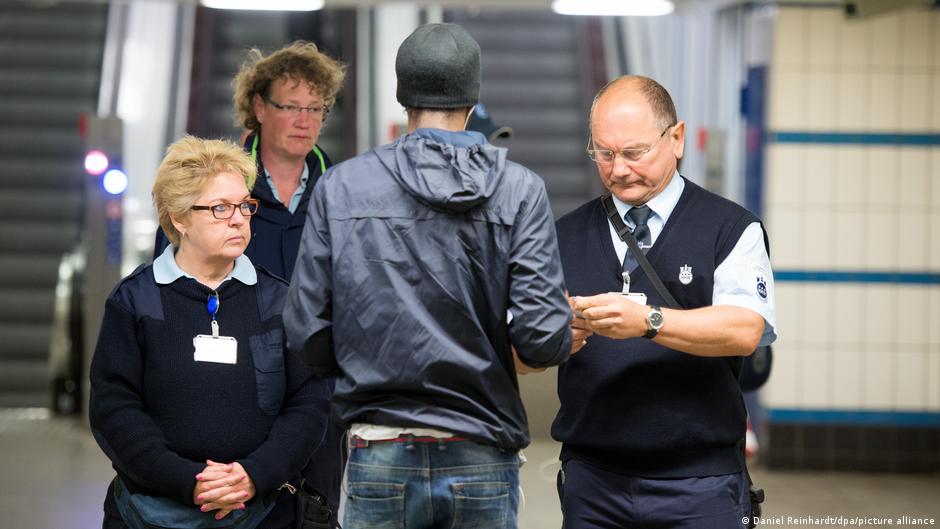
Discussions are intensifying regarding whether eluding fares on public transit in Germany should be reclassified as a non-criminal act. Justice Minister Stefanie Hubig suggested there are compelling arguments for this shift, emphasizing the burden such cases place on the legal system. She noted that individuals unable to afford tickets and subjected to substitute custodial sentences might not be suitable for incarceration. “Modern criminal law must reevaluate whether fare evasion should remain punishable,” she stated.
Union Leader Criticizes Pension and Work Hour Policies
German Trade Union Confederation (DGB) chair Yasmin Fahimi challenged Vice Chancellor Lars Klingbeil’s position on pensions and working hours. Speaking to the Tagesspiegel, she called his push to discourage early retirement “misguided” and dismissed proposals for extended work periods. Fahimi argued that those desiring longer careers already have the option, but many lack the chance. Unemployed older workers, she said, often struggle to secure stable employment, attributing higher employment rates to improved labor policies rather than raising the retirement age.
Fahimi also rejected Bavarian premier Markus Söder’s plan to add an extra weekly work hour, labeling it “technocratic number games.” She criticized political interference in collective bargaining, claiming it weakens agreements on income distribution. “I will not allow this,” she asserted. Meanwhile, the German Bar Association endorsed reforms, stating current rules are socially unproductive. Spokesperson Swen Walentowski mentioned that prosecuting fare evasion costs taxpayers around €200 million annually, disproportionately affecting those without financial means.
In most German cities, the issue of ticket evasion continues to spark debate, with conflicting views on its legal implications. While the justice minister advocates for reform, the Federal Police head Andreas Rosskopf disagreed. “Deception in obtaining services must stay a criminal offense,” he stated. Otherwise, he warned, skipping fares could become routine, leading to a culture where many disregard ticket requirements. “We risk people caring less about whether they have a ticket,” Rosskopf added.