India News: Nuclear Reactor in Kalpakkam Reaches Critical Milestone
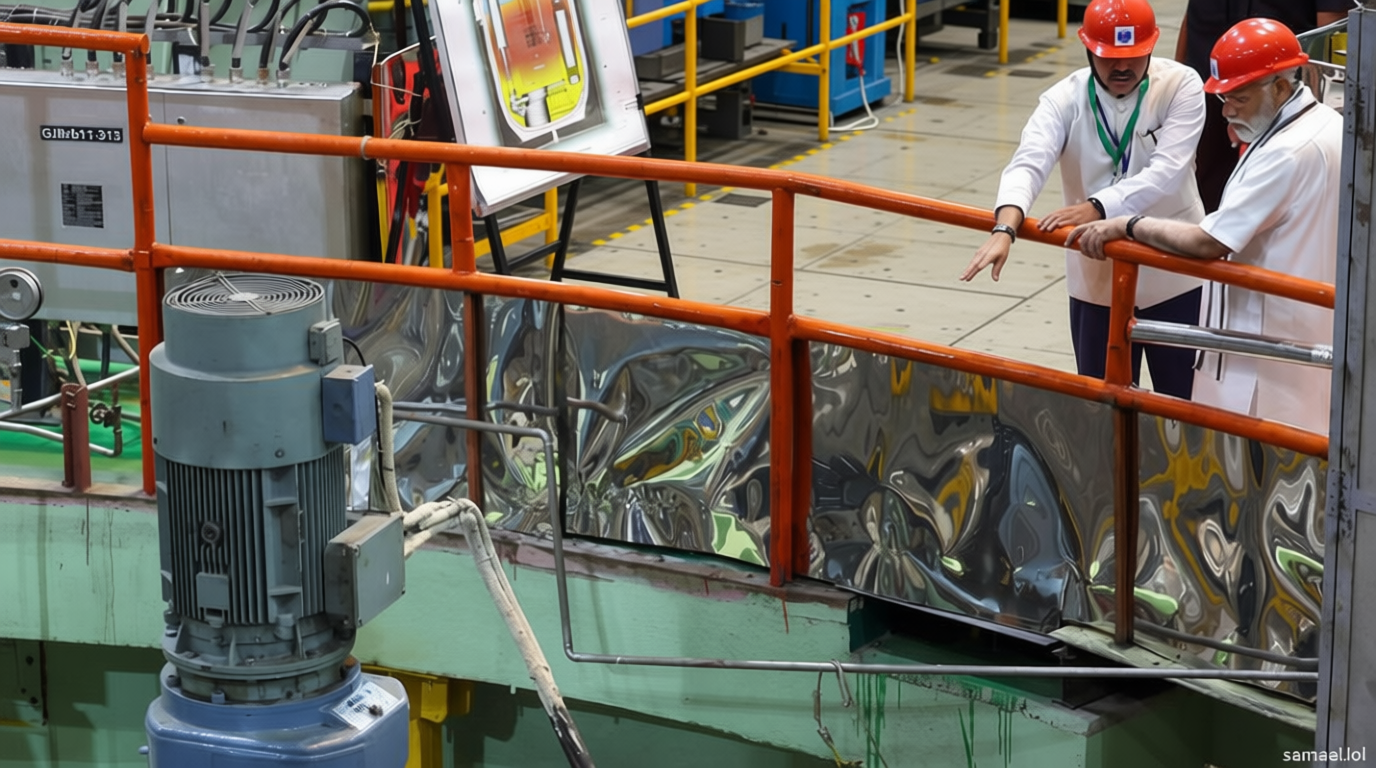
Samael.lol – India has made a significant breakthrough in its civil nuclear energy efforts with the Prototype Fast Breeder Reactor (PFBR) at Kalpakkam achieving criticality. This marks the point where the reactor initiates a controlled, self-sustaining nuclear chain reaction. Located near Chennai in Tamil Nadu, the 500-megawatt facility is a key component of the nation’s three-stage nuclear strategy. Prime Minister Narendra Modi highlighted the progress, stating it represents a “defining” moment for India’s scientific and engineering capabilities.
“The indigenously designed and built PFBR at Kalpakkam has attained criticality. This reactor, which produces more fuel than it consumes, reflects the depth of our scientific capability and the strength of our engineering enterprise,” Modi wrote on X.
Modi emphasized that the milestone is a decisive step toward India’s goal of leveraging its abundant thorium reserves. The achievement brings the country closer to full operational capacity and power generation. The PFBR’s success is seen as a cornerstone for India’s energy independence.
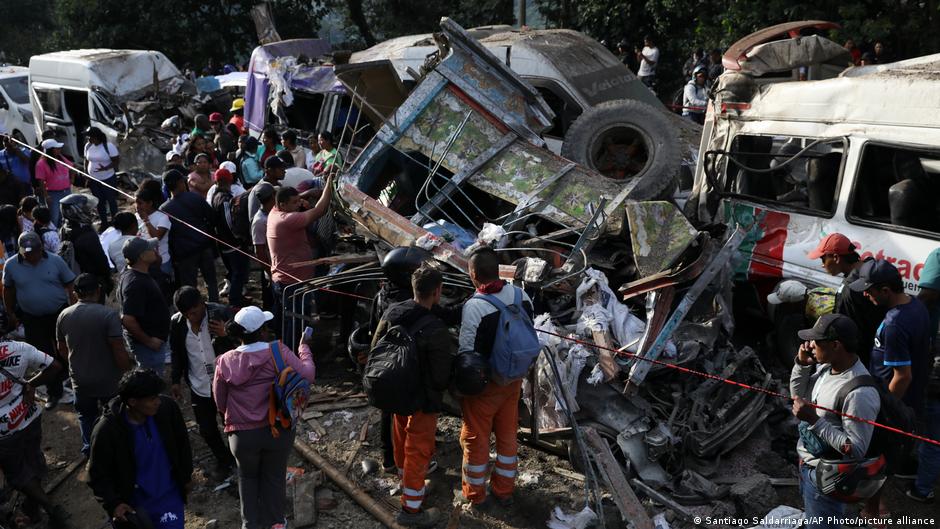
Police Officers Sentenced to Death in Custodial Deaths Case
In a separate development, a court in Tamil Nadu has sentenced nine police officers to death for the custodial deaths of a trader and his son six years ago. The Madurai District Court classified the case as “rarest of rare,” meeting the legal criteria for the death penalty. The incident occurred during the early stages of the COVID-19 pandemic in June 2020.
P Jeyaraj, 58, and his son J Benicks, 38, were arrested for allegedly violating a coronavirus lockdown by operating their mobile phone shop beyond permitted hours. They were detained at Sathankulam police station and subjected to physical abuse, according to judicial records. Both were later taken into judicial custody and admitted to a government hospital, where Benicks died on June 22 and his father followed a day later.
The case sparked widespread public anger over police brutality and accountability. It was investigated by the Central Bureau of Investigation (CBI), with 100 witnesses examined over five years. During the trial, one officer died due to COVID-19 complications. The court described the abuse as a deliberate act of vengeance, noting the victims were “stripped and ruthlessly assaulted in front of each other.”
Air India CEO Resigns Amid Financial and Regulatory Challenges
Meanwhile, Campbell Wilson, the CEO of Air India, has stepped down, as reported by Indian media. His resignation was accepted by the airline’s board last week, but he will remain in his role until a successor is appointed. The airline, founded in 1932 as Tata Airlines by JRD Tata, was nationalized in 1953 and returned to the Tata Group in January 2025 after a $2.4 billion acquisition.
Wilson’s departure comes as Air India struggles with mounting losses and intensified regulatory scrutiny. The airline’s woes were exacerbated by a fatal crash in 2025 involving a Boeing 787-8 Dreamliner, which killed 260 passengers and 19 others. The London-bound flight crashed shortly after takeoff on June 12, leaving only one survivor among 242 on board.
Indian media noted that Wilson’s exit was not officially explained, though the airline’s future is tied to the release of the final report on the Ahmedabad crash. The case has become a focal point for discussions on corporate governance and accountability in the aviation sector.
For more updates, visit DW’s coverage. To view the video related to the nuclear milestone, ensure JavaScript is enabled and use a browser supporting HTML5 video.