Can small nuclear reactors solve EU’s energy woes?
Energy Security Takes Center Stage
Samael.lol – The recent Iran conflict has highlighted the EU’s vulnerability to sudden oil and gas supply disruptions, reigniting concerns over energy stability. Despite lessons from Russia’s invasion of Ukraine, many member states remain dependent on external energy sources. This has led to a reevaluation of energy strategies and a renewed interest in nuclear power.
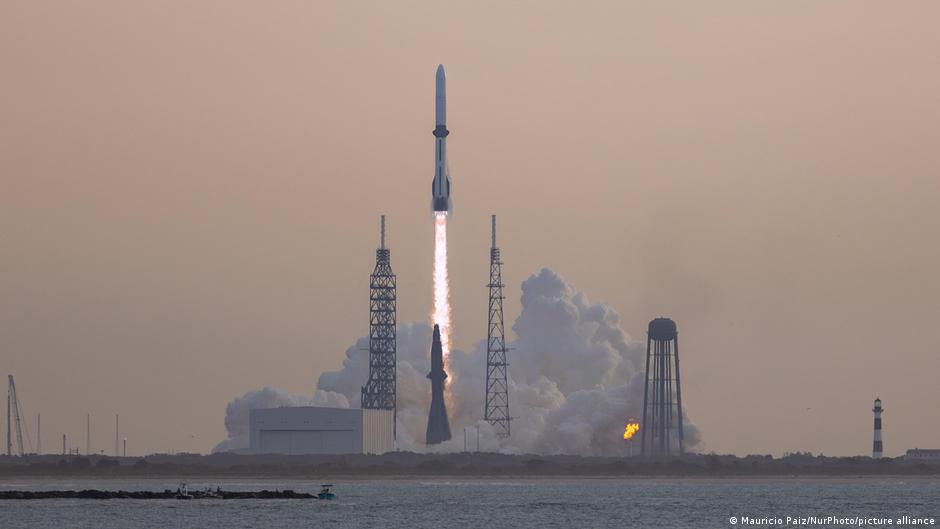
European Commission President Ursula von der Leyen recently called the bloc’s shift away from nuclear energy a “strategic mistake.” Her remarks signal a push to expand nuclear capacity, with a focus on Small Modular Reactors (SMRs) set to be deployed by the early 2030s. Even Germany, which fully shut down its nuclear reactors, is now considering a return to the technology.
Debating the Role of Nuclear
Chancellor Friedrich Merz labeled the nuclear phase-out a “serious strategic mistake” but insisted it is “irreversible.” Meanwhile, Bavaria’s premier, Markus Söder, advocates for a new era of nuclear energy, aiming to build SMRs in his region. The debate reflects broader tensions within the EU about energy security and climate goals.
“The EU’s renewed emphasis on nuclear expansion is a logical response to long-term energy needs,” said Henry Preston, spokesperson for the World Nuclear Association. “Nuclear offers clean, reliable, and scalable electricity, which is unmatched by other sources.” Yet critics argue this approach may be misguided.
SMRs and Their Prospects
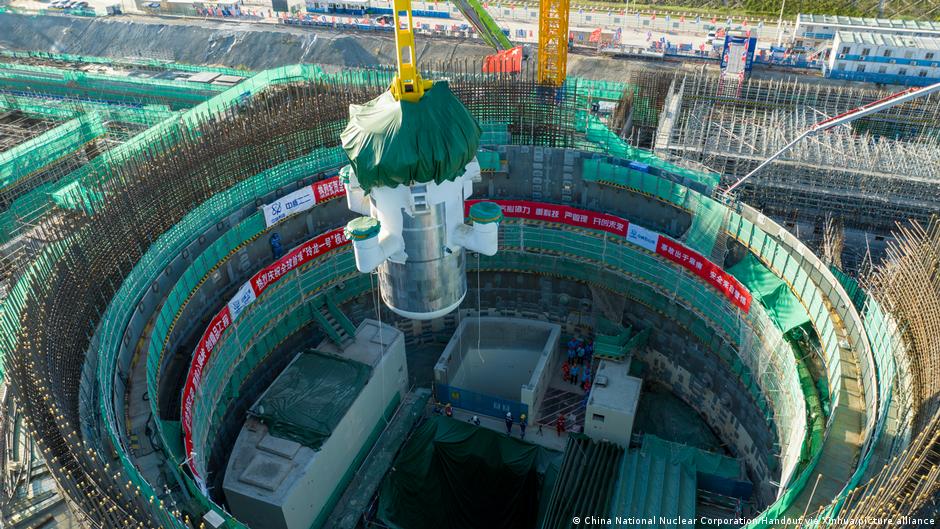
SMRs are next-generation nuclear plants, typically producing less than 300 MW of electricity—about a third of conventional reactors. Supporters claim they are cheaper, quicker, and safer to deploy than traditional designs. However, opponents like M. V. Ramana, a UBC professor specializing in nuclear risks, question their cost-effectiveness.
“SMRs often end up being more expensive per unit of power than large reactors,” Ramana noted. “Material and labor costs don’t scale linearly with output.” Luke Haywood, head of Climate and Energy at the European Environmental Bureau, dismissed the strategy as “a costly distraction.” “Nuclear is too slow to build, too expensive, and too risky,” he said. “SMRs are even further from mass deployment, potentially decades away.”
Renewables vs. Nuclear
While EU countries have increased wind and solar capacity, these renewables now meet nearly half the bloc’s electricity demand and a quarter of its total energy use. Still, nuclear advocates insist it is vital for providing consistent baseload power—something intermittent sources like wind and solar lack.
Malwina Qvist, director of the Nuclear Energy Program at Clean Air Task Force, argued that renewables alone cannot sustain a zero-carbon economy. “Germany generates far more electricity from renewables than France—59% versus 28%—yet its grid emits over 16 times more CO2,” she pointed out. “This is because Germany still relies heavily on coal and gas, whereas France’s nuclear infrastructure provides 67% of its electricity with near-zero emissions.”
Qvist emphasized the need for clean, firm power—energy that is both low-carbon and available at any time. “SMRs fit this role, offering modular design, lower initial costs, and industrial heat capabilities,” she said. “They are particularly suited for sectors like chemicals, steel, and cement, which require stable thermal energy.”
Haywood, however, challenged this view. “Nuclear is not a natural fit for a renewables-driven system,” he stated. “Modern grids need flexibility, with plants that can adjust output quickly. SMRs, which must run continuously to be economical, may not meet this demand.”