Virtual Romanian Singer Goes Viral But Sparks Criticism
AI-Crafted Artist Gains National Attention
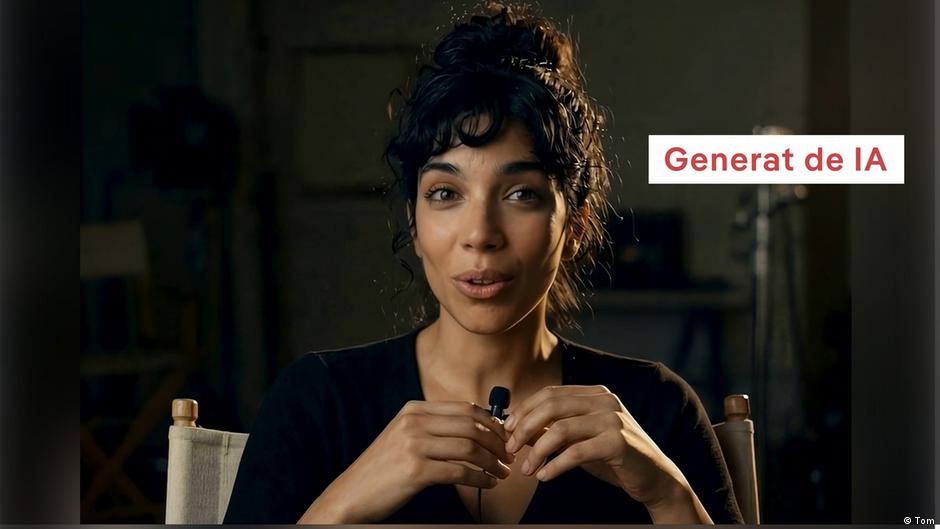
Samael.lol – In Romania, a digital artist named Lolita Cercel, born from artificial intelligence, has captured widespread attention. Her debut song, also titled *Lolita Cercel*, has amassed millions of views online, portraying a figure with a striking presence who addresses the struggles of marginalized groups. Yet, her existence is entirely virtual—no real person bears this name. Created by a Romanian graphic designer known only as “Tom,” the singer embodies a blend of visual and auditory elements, all generated through AI technology.
From Poems to Pop: A New Musical Genre?
Tom, who once rapped in school and pursued film direction, drew inspiration from a 1941 collection of poems titled *Cantece tiganesti* by Miron Radu Paraschivescu. The poems, associated with the Roma community, were later deemed offensive. While the work was written during World War II—a time when Roma were persecuted by Nazis and their Romanian allies—Tom reimagined them as a foundation for his “Balkan trip-hop” sound. Critics argue this genre closely resembles Romanian manele, a pop-folk style with Ottoman roots, which is often linked to Romani culture.
Controversy Over Representation
Despite her popularity, Lolita Cercel has drawn backlash from Roma advocates. Alex Stan of the Roma Education Fund in Budapest calls the project “problematic,” highlighting how the singer’s name, appearance, and musical style create a stereotypical image. “If it looks like a duck and quacks like a duck, it is a duck,” Stan remarked, emphasizing the lack of authentic connection to Romani experiences. Alexandra Fin, a Roma activist in Cluj, further criticized the work as a form of cultural appropriation, stating it reduces Roma identity to a “virtualized, racialized, and dehumanized” version.
“An author doesn’t have to be a murderer to write a compelling crime novel; a deaf composer can create symphonies.”
Creator Defends Against Accusations
Tom insists that Lolita Cercel is not a Roma character but rather “a woman from the Balkans.” He claims the project was a creative experiment, not an exploitation of culture. “Experience is an ingredient, not the whole recipe,” he said in a video message. However, critics counter that the AI’s ability to replicate Roma aesthetics without input from community members perpetuates stereotypes. Alex Stan adds that live performances, a hallmark of Romani music, offer a depth AI cannot replicate. “Studio recordings or digital creations miss the essence of what makes Romani music unique,” he argued.
Debating the Role of Art and Identity
As the debate continues, some see the project as a bold artistic endeavor, while others view it as a missed opportunity to collaborate with Roma voices. The singer’s journey—from a poem to a global phenomenon—has ignited discussions about how technology shapes cultural representation and whether it can ever fully capture the nuances of a marginalized identity.