Iran War: US, Israel, Tehran Agree Two-Week Ceasefire
Initial Agreement and Reactions
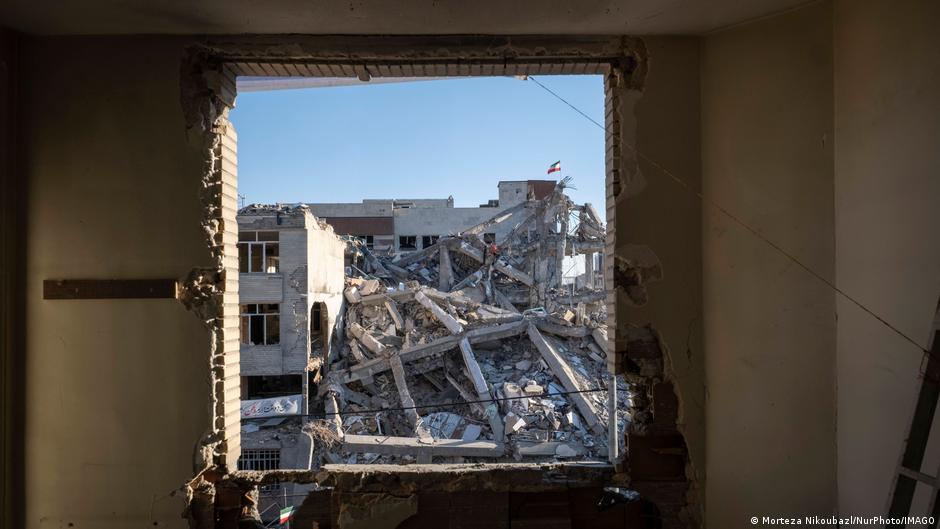
Samael.lol – On Wednesday, April 8, the United States, Israel, and Iran announced a two-week pause in hostilities. This decision came after Tehran submitted a 10-point proposal, prompting Donald Trump to scale back his earlier threats to target the country. Iran’s foreign minister confirmed that the Strait of Hormuz would reopen under the terms of the deal.
Missile alerts in the United Arab Emirates (UAE) followed shortly after the agreement was announced. UAE authorities stated their air defenses were actively countering “missile and drone threats from Iran.” Similar warnings were reported in Bahrain, where missile warnings echoed hours after the ceasefire was agreed upon.
Trump’s Perspective and Quotes
Trump claimed during a telephone interview with AFP that China played a role in convincing Iran to negotiate. “I hear yes,” he said when asked about Beijing’s involvement in ending the conflict. He also asserted the ceasefire marked a “total and complete victory” for the U.S., calling it “100 percent. No question about it.”
“That will be perfectly taken care of or I wouldn’t have settled,” Trump stated regarding Iran’s uranium stockpiles. However, he left the specifics of his plan unclear.
White House press secretary Karoline Leavitt praised the ceasefire as a “victory” for the U.S., crediting the military’s efforts. “The success of our military created maximum leverage,” she noted, “allowing President Trump and the team to engage in tough negotiations that now offer a path to peace.”
Details on the Ceasefire and Exclusions
Israeli Prime Minister Benjamin Netanyahu supported the ceasefire but clarified it did not extend to Lebanon. “The deal does not include Lebanon,” his office stated, contradicting earlier reports. Israel’s operations against Hezbollah, an Iranian-backed group, remained unaffected.
Meanwhile, a U.S. journalist held hostage in Iraq was released late Tuesday. Kataeb Hezbollah’s security official, Abu Mujahid al-Assaf, cited “national stances of the outgoing prime minister” as the reason for her release, adding that such actions would not be repeated as the conflict continued.
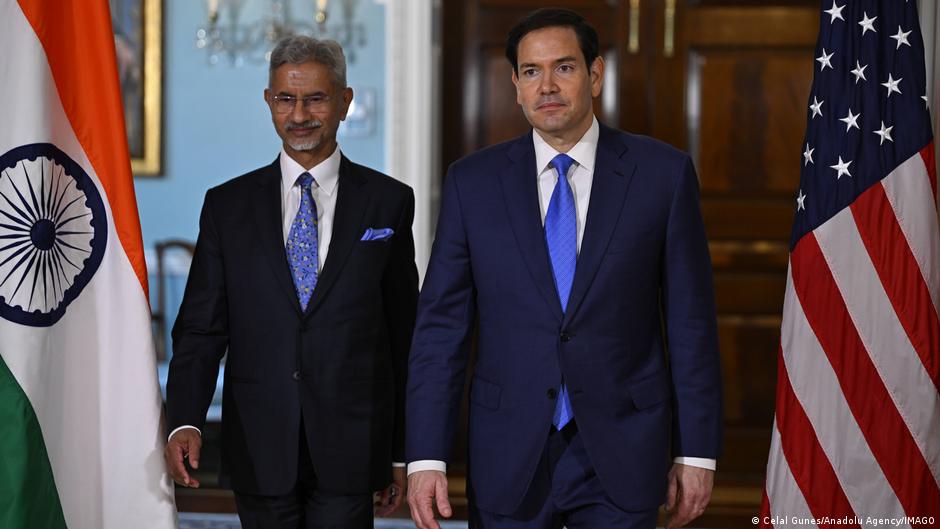
“We are relieved this American is now free and are working to support her safe departure from Iraq,” said U.S. Secretary of State Marco Rubio.
Context and Additional Developments
Shelly Kittleson, a 49-year-old freelance journalist based in Rome, had been kidnapped by an Iran-backed militia in Baghdad. U.S. officials noted they had warned her of dangers before her abduction, but she opted to stay in the country. Her release was confirmed by both the U.S. and the militia group.
Pakistan’s prime minister, Shehbaz Sharif, announced on Wednesday that the ceasefire would take effect immediately. He stated the agreement involved “the United States and Iran, and both countries’ allies,” signaling a broader diplomatic effort.