Pakistan emerges as key mediator between US and Iran
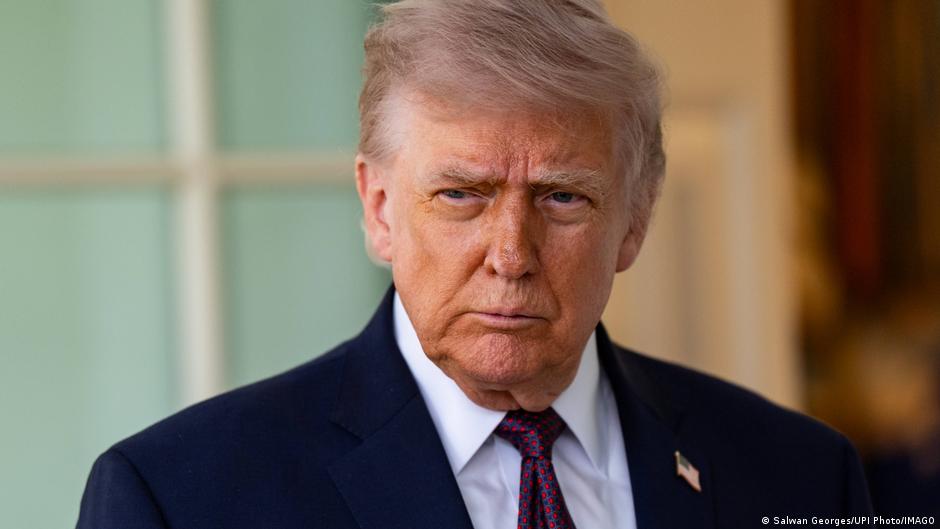
Samael.lol – The United States, Israel, and Iran have tentatively halted hostilities for a two-week period, with Islamabad playing a central role in brokering the pause. This development marks a significant diplomatic triumph for Pakistan, though the road ahead remains fraught with uncertainty. The agreement, announced by US President Donald Trump on Tuesday, hinges on Iran’s commitment to “complete, immediate, and safe opening of the Strait of Hormuz,” a critical maritime route.
Backchannel Diplomacy and Credibility
Islamabad’s ability to secure the ceasefire has been credited to its role as a trusted intermediary during a tense standoff. “Pakistan enabled the ceasefire by positioning itself as a credible and trusted intermediary at a moment of acute escalation,” said Raja Qaiser Ahmed, an international relations expert at Quaid-e-Azam University. “It activated backchannel diplomacy, conveyed assurances to both Washington and Tehran, and helped align immediate interests around de-escalation.”
“The key contribution was not coercion but coordination — structuring a mutually acceptable first step that reduced risk and created space for dialogue,” Ahmed added.
Historical Context of Pakistan’s Relations
Pakistan’s ties with the US have grown stronger since May, following a brief but intense military confrontation between Islamabad and New Delhi. Meanwhile, the country maintains complex yet friendly relations with Iran, a factor that has allowed it to navigate the delicate balance between the two powers. “The Pakistani leadership leveraged established security and diplomatic channels with the United States while maintaining functional engagement with Iran, allowing it to translate broad intent into a workable pause,” noted Ahmed.
Challenges and Uncertainties Ahead
Despite the pause, analysts warn that sustaining the ceasefire may prove difficult. “Even getting to a ceasefire is a remarkable achievement for Islamabad, and its leaders will continue their intense engagement with both sides and key partners to move the talks along and minimize the risks of spoiler actions,” said Elizabeth Threlkeld of the Stimson Center. However, Zahid Hussain, a political analyst, emphasized that “the negotiations will not be easy for Islamabad, but the ceasefire is a positive first step. We will see how long the ceasefire will hold.”
Pakistan’s Prime Minister Shehbaz Sharif expressed confidence, confirming that US and Iranian delegations have been invited to Islamabad to “further negotiate for a conclusive agreement to settle all disputes.” Yet, questions linger about Iran’s and the US’s commitment to long-term peace. “Tehran is distrustful of Washington, and President Trump is facing mounting pressure to end the war amid criticism that Washington may have miscalculated its strategy,” Hussain highlighted.
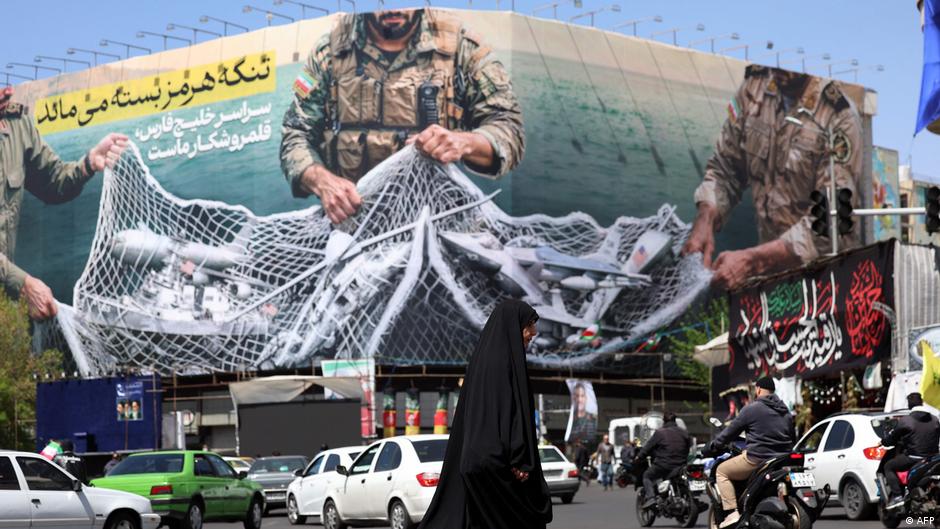
Trump claimed Iran had submitted a 10-point proposal, which he deemed “a workable basis on which to negotiate.” However, he did not provide details on the agreement’s specifics. The success of the ceasefire — both short- and long-term — depends largely on Iran’s actions regarding the Strait of Hormuz, which the regime closed after US and Israeli strikes targeted its military and leadership assets on February 28.
Iran’s Foreign Minister Abbas Araghchi stated that passage through the Strait of Hormuz will be allowed “under the supervision of the” — the sentence is cut off, leaving the exact conditions unclear.