Iran War: Who Gained Ground, Who Lost Influence
Samael.lol – Though civilian populations have suffered the most, the Iran war has significantly altered global power dynamics, extending its impact beyond the Gulf region. Certain nations have strengthened their positions, while others have seen their influence wane.
A Two-Week Pause in Hostilities
A two-week pause in hostilities between Iran, Israel, and the U.S. has temporarily halted the conflict, following 40 days of escalating strikes and counterstrikes. Civilians have consistently been the primary victims of the conflict. Over thousands have perished or been wounded, with countless more forced to flee. Homes, critical infrastructure, and daily life have been devastated in Iran, Israel, and throughout the region.
Iran’s Resilience and Strategic Moves
Even with the Iran ceasefire, Israel pressed on with its operations against Hezbollah in Lebanon. Within hours of the agreement, it launched its most powerful strikes against its neighbor since the conflict with Hezbollah escalated last month.
Iran remained central to the conflict. From February 28th, the U.S. and Israel targeted military installations and energy facilities. HRANA, a U.S.-based rights group, reported over 3,600 deaths in Iran, including Ayatollah Ali Khamenei and numerous high-ranking officials, alongside 165 civilians at a girls’ school, predominantly children.
Despite losing key leaders, Iran’s political framework remains robust.
There’s no indication of regime change,’ said Ian Bremmer, president of Eurasia Group. ‘And no push to save the Iranian people, a goal Trump initially claimed.’
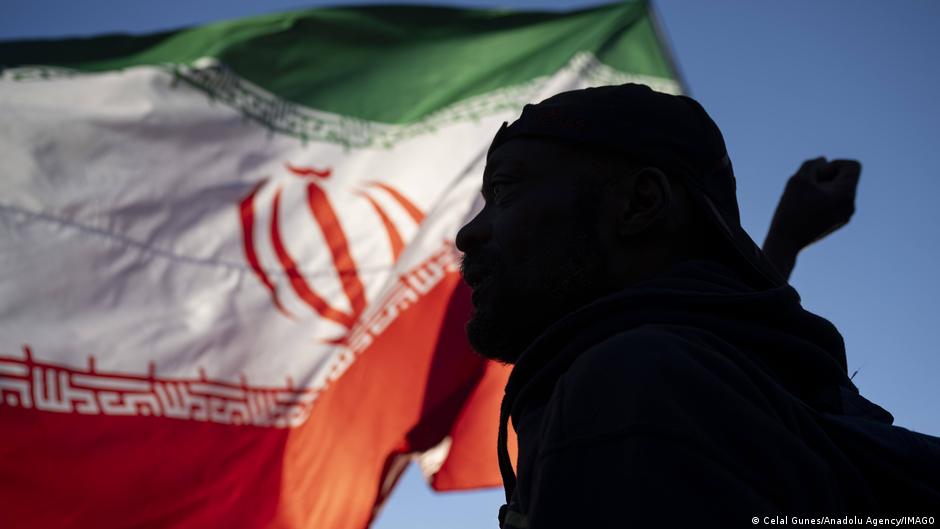
In response, Iran’s regime executed a bold move. It restricted Strait of Hormuz access, permitting only select nations to pass through. This narrow waterway channels approximately a fifth of global oil supplies. The maneuver triggered a rise in oil prices and heightened pressure on the U.S. and its allies. The strategy succeeded, allowing Tehran to secure a ceasefire without yielding. The government now frames the agreement as evidence of its resilience against U.S. military power.
Global Implications and U.S. Stance
President Trump endorsed Iran’s 10-point proposal as a foundation for negotiations. The regime endures, gaining time to reposition its next moves. Trump hailed the result as a ‘total and complete victory.’
The U.S. also incurred significant losses. Iranian strikes targeted and destroyed radar systems and aircraft, costing billions. Its image as a Gulf ally protector was tarnished after Iran attacked not only U.S. bases but also vital infrastructure. Tensions with Europe and NATO grew due to the unilaterally launched conflict. The ceasefire has paused assaults on U.S. forces and temporarily lowered the risk of broader regional warfare, a key U.S. objective. The Strait of Hormuz is anticipated to resume operations, alleviating oil market strain. Washington will return to the negotiating table, a place they began the conflict. However, the outcome hasn’t fully transformed Iran’s actions as intended, and the impact on its global standing remains uncertain.
Israel has diminished Iran’s military strength, showcasing its ability to strike across borders while retaining strong U.S. support. However, the conflict revealed weaknesses. Iranian missiles tested Israel’s air defenses, with some penetrating and causing over 30 casualties. The threat from Iran and its allies persists.
Israel might emerge ‘much weaker,’ noting the potential for substantial diplomatic fallout.’
To view this video please enable JavaScript, and consider upgrading to a web browser that supports HTML5 video.