Seven games to go – how will De Zerbi try to save Spurs?
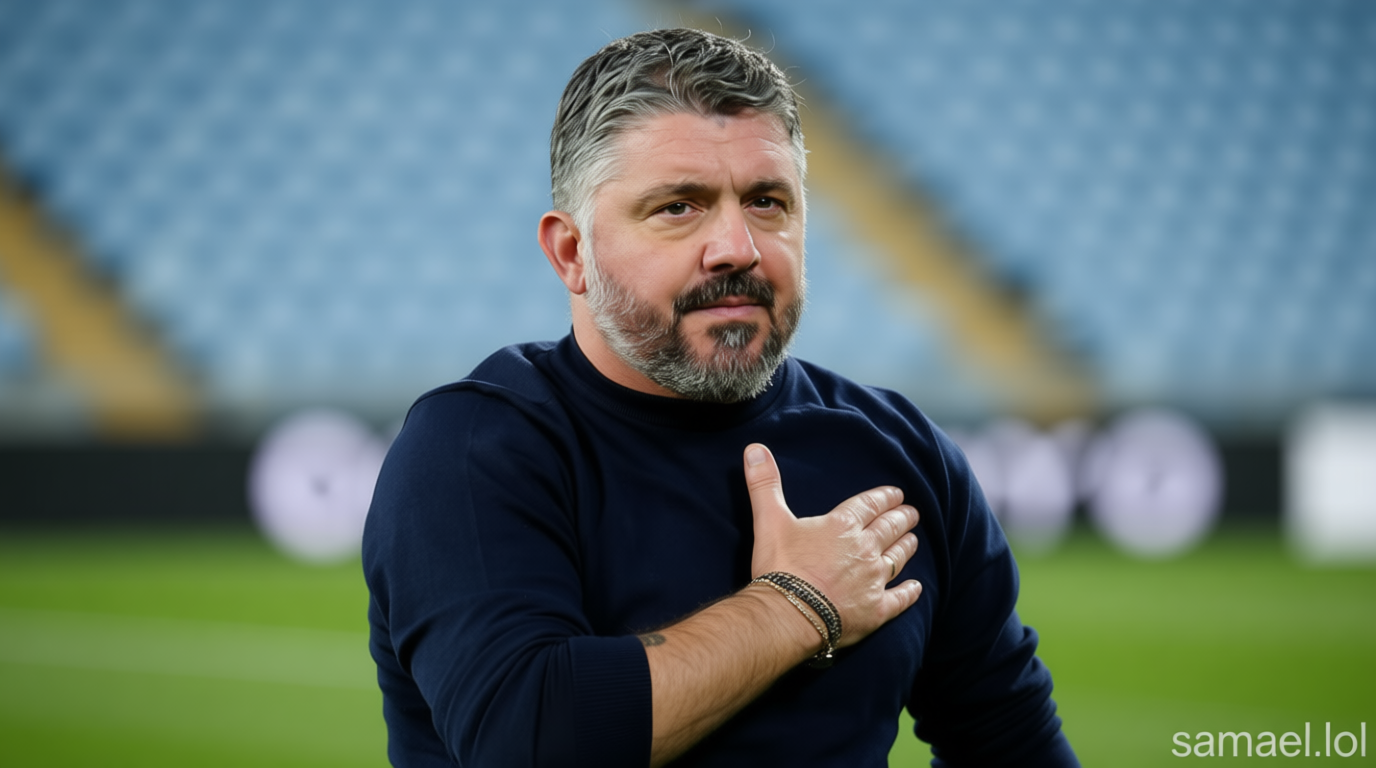
Samael.lol – The video failed to play, raising questions about Roberto de Zerbi’s ability to rejuvenate Tottenham. While clubs in danger of relegation often hire coaches prioritizing defensive solidity, De Zerbi’s appointment signals a shift toward an attacking philosophy. Known for his possession-based style, the Italian has maintained his vision throughout his managerial journey, even amid challenges. Three years after his debut in Italy’s fourth division, he briefly managed Palermo before being sacked. Benevento, newly promoted, hired him, but relegation followed. Yet his reputation grew, and since then, De Zerbi has led teams to notable success.
De Zerbi’s Background
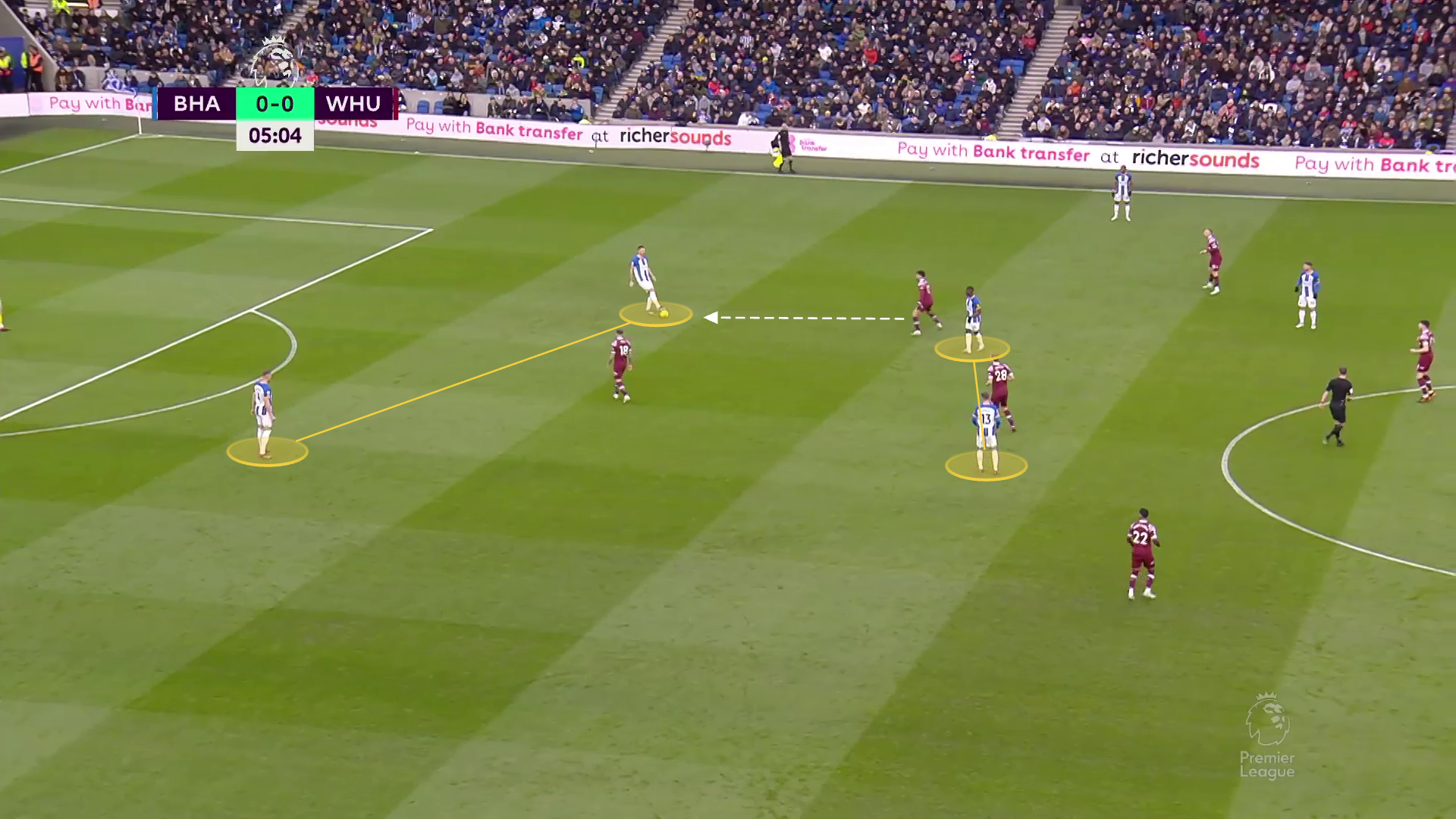
At 46, De Zerbi’s quality is evident, but his system hinges on players with technical precision and intelligence. How will this approach adapt to Spurs’ current squad? Observing his work at Brighton and Marseille reveals recurring patterns. When advancing, his teams lure opponents toward defenders before executing rapid passing sequences to exploit space forward. This creates a dynamic flow, allowing quick transitions into attack. However, such tactics demand precision and risk.
Tactical Patterns
De Zerbi’s methods emphasize structured play. Central defenders, unpressured, often take multiple touches to maintain possession. A psychological tactic involves positioning studs near the ball to draw strikers out of shape. This allows midfielders to receive passes while opponents are distracted. The ball is then quickly moved to nearby teammates who can advance with reduced pressure. Midfielders act as a buffer, ensuring the attack remains fluid. The goalkeeper frequently targets these central players, creating a cohesive unit.
Defensive Philosophy
“In a recent training clip, external he was seen coaching his new players through concepts to make his tactics easier to implement.”
De Zerbi’s strategy requires defenders to handle the ball confidently, delaying decisions until opponents press. This contrasts with Thomas Frank’s approach, which was dismissed in February. Frank’s Spurs focused on wide buildup, avoiding central congestion. Two central defenders and one midfielder operated in the middle, while flanks were overloaded. Long balls were often directed into the channel, where Spurs aimed to secure possession. This minimized risks but limited attacking variety.
Comparing Styles
De Zerbi’s system embraces risk, prioritizing high-quality chances over safety. His teams at Brighton, for instance, conceded the second-most high turnovers leading to opposition shots (48) in his first season. This aligns with his belief in exploiting pressure through coordinated play, a stance echoed by Pep Guardiola and Mikel Arteta. The goal is to accept tight defensive challenges and convert them into opportunities. Frank’s method, meanwhile, avoided central danger but sacrificed creativity. With Spurs now in a precarious position, De Zerbi’s ability to balance risk and reward will determine his success.
Comparing that Brighton squad with the current Spur…