Coachella 2026: A Sold-Out Spectacle
Samael.lol – Despite ongoing debates and logistical challenges, the 2026 Coachella Valley Music and Arts Festival has once again sold out. This year’s lineup features pop icons Sabrina Carpenter and Justin Bieber, who will take the main stage on April 10. Yet, the festival’s recent years have sparked questions about its balance between musical excellence and experiential appeal.
The Festival’s Origins
In 1993, Pearl Jam sought an alternative to Ticketmaster’s control, leading to a gig at the Empire Polo Club in California’s Coachella Valley. The event’s success inspired the creation of the Coachella Valley Music and Arts Festival in October 1999, a response to the chaotic Woodstock festival. Early performances included global acts like Rage Against the Machine and Morrissey, establishing the event’s reputation.
Evolution and Global Impact
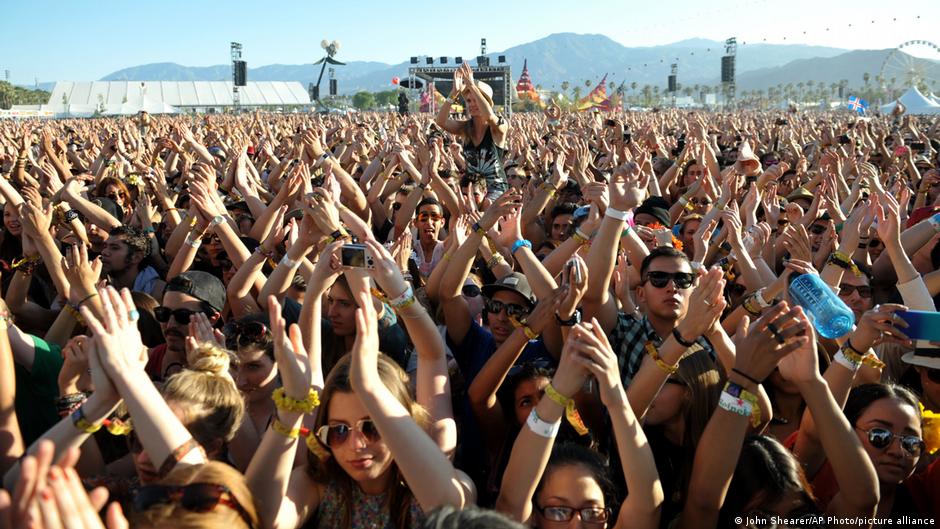
Over its 26-year history, Coachella has grown into a major cultural force, drawing approximately 125,000 attendees each day over its three-day weekends. The main stage has welcomed pop and rock legends, from Beyoncé and Madonna to Radiohead and Harry Styles, cementing its status as a premier outdoor event. However, financial struggles plagued its early years, with promoters initially losing money before the festival became profitable.
Shift in Focus and Criticism
Recent editions have seen a shift in emphasis, with social media influencers playing a central role in shaping the event’s identity. According to
“young people are drawn less to the music than the broader atmosphere”
from Variety magazine’s 2025 survey. Over 66% of participants cited the “experience”—particularly fashion—as their primary reason for attending. Meanwhile, corporate branding has become increasingly prominent, with brands like Heineken, Amex, and Neutrogena prominently featured.
Controversies and Logistical Issues
Logistical failures at the 2025 festival fueled criticism, including 12-hour lines for entry and a shortage of portable toilets. Additionally, pop stars Rihanna and Kendrick Lamar declined headline slots, with Lamar citing prior commitments. These decisions raised concerns about the festival’s cultural relevance. A UK survey revealed that 75% of respondents felt Coachella’s musical mission had been overshadowed by influencers, while 68% criticized its growing commercialization.
Artistic Diversity and Ownership Debates
Coachella has long been scrutinized for its lack of artist diversity. The first Black female headliner arrived in 2018 when Beyoncé performed—nearly two decades after the festival’s founding. This year marks a new milestone as Karol G will become the first Latina to headline the event. Behind the scenes, the festival’s billionaire owner, Philip Anschutz, faced accusations of supporting anti-LGBTQ+, anti-abortion, and climate change denial groups. While Anschutz called the claims “fake news,” some celebrities, like Cara Delevingne, advocated for a boycott.
Economic Impact on Local Communities
The festival’s economic success—reporting over $100 million in annual revenue—has contrasted with the struggles of local Latino farmworkers. Nearly 40% of these workers live in poverty, according to The Los Angeles Times. Yet, despite these disparities, Coachella’s allure remains undiminished, ensuring its 2026 edition is fully booked.
Conclusion: Coachella’s Enduring Appeal
While critics highlight its commercialization and cultural shifts, Coachella continues to draw massive crowds. Its blend of music, art, and spectacle has made it a global phenomenon, even as debates about its priorities and practices persist. The festival’s ability to adapt and remain relevant underscores its lasting significance in the world of live events.