Israel to Resume Lebanon Talks Amid Iran Ceasefire Concerns
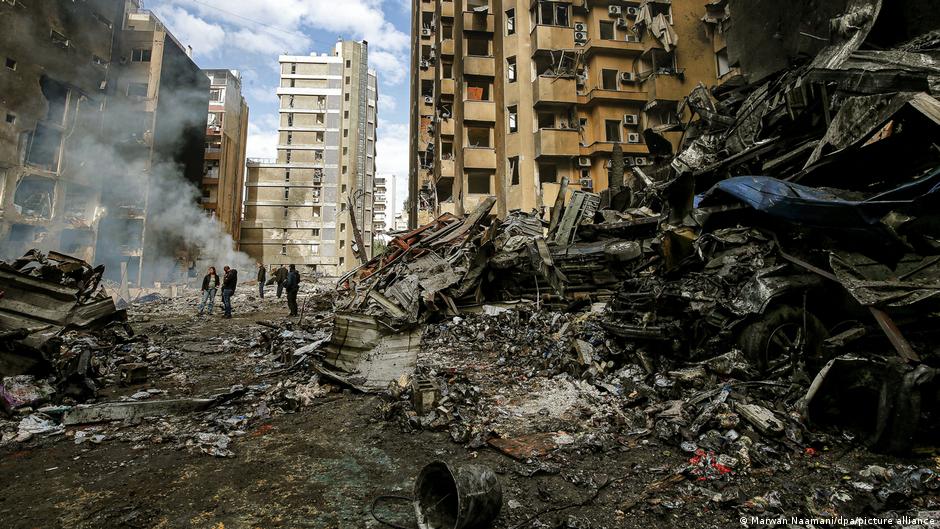
Samael.lol – Iran has criticized Israel for allegedly breaching a temporary truce by unleashing significant strikes on Lebanese territory on Wednesday. Meanwhile, Germany has signaled its willingness to reconnect with Tehran. Updates from DW’s coverage of the Middle East tensions on Thursday, April 9:
Iran’s Conditions for Peace Talks
The Iranian Foreign Ministry stated that participation in discussions with the U.S. hinges on Washington fulfilling its ceasefire obligations, particularly in Lebanon. “Engaging in talks to end the conflict depends on the U.S. upholding its ceasefire pledges across all fronts, especially in Lebanon,” said spokesperson Esmaeil Baghaei. He added, “Securing peace in Lebanon is a critical component of the ceasefire deal proposed by Pakistan.”
“The threat of an excessive escalation, which had been looming in recent days, has thus been averted, at least for the time being.”
Israeli Move Toward Direct Negotiations
Israeli Prime Minister Benjamin Netanyahu directed his Cabinet to commence direct dialogues with Lebanon promptly. “Following Lebanon’s repeated calls for direct talks with Israel, I ordered the cabinet yesterday to begin negotiations immediately,” a statement from Netanyahu’s office noted. “The focus will be on disarming Hezbollah and forging peace between Israel and Lebanon,” it continued. “Israel also welcomed the Lebanese Prime Minister’s recent appeal to demilitarize Beirut.”
Medical Crises in Lebanon
A WHO representative in Lebanon raised alarms about dwindling supplies of essential trauma medical kits in an interview with Reuters. These kits, comprising bandages, antibiotics, and anaesthetics, are vital for treating war-wounded patients. “Trauma management resources are nearly depleted, and we risk exhausting them within days,” warned Abdinasir Abubakar. “Another large-scale attack, like the one yesterday, could lead to a severe loss of life due to insufficient stockpiles.”
Global Reactions to Ceasefire
Multiple nations, including several U.S. allies, voiced apprehension that Israel’s bombardment of Lebanon might undermine the U.S.-Iran ceasefire. The agreement, brokered through Pakistani mediation, was reached early Wednesday. Since then, key developments have included Germany’s Chancellor Friedrich Merz announcing a revival of diplomatic ties with Iran. “After a prolonged period of inactivity, we are now resuming negotiations with Tehran,” Merz stated, following a week of heightened conflict.
Merz had previously remained silent on the situation, even as he engaged with U.S. President Donald Trump during the Easter weekend. His absence from public commentary had left analysts puzzled, but the ceasefire announcement prompted him to remark: “The risk of a major escalation has been mitigated, at least temporarily.” This marks another sign of growing divergence between Berlin and Washington.
Russian Foreign Minister Sergei Lavrov expressed backing for peace talks between the U.S. and Iran during a call with his Iranian counterpart, Abbas Araghchi. “Lavrov remains optimistic about the talks’ success,” a ministry statement noted. “Russia applauds the two-week truce while underscoring its belief that…”