US and Iran fail to agree a deal after Pakistan talks
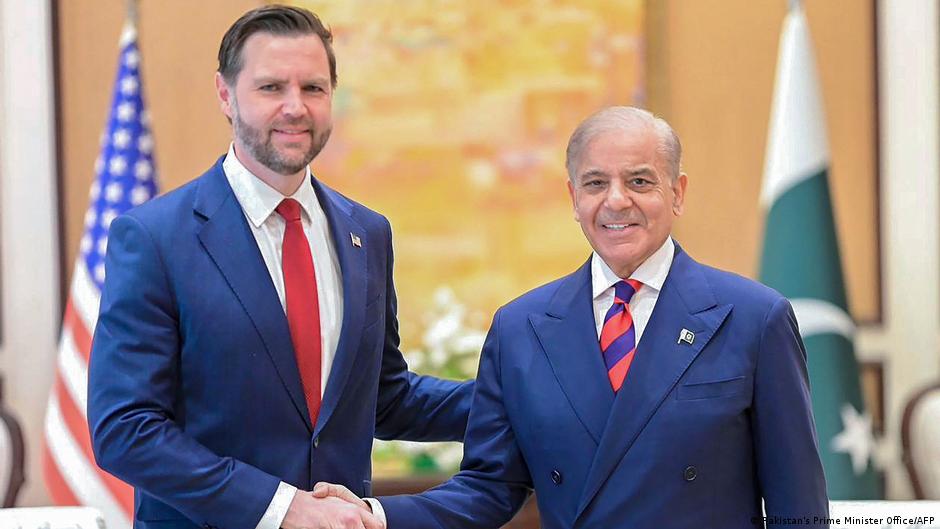
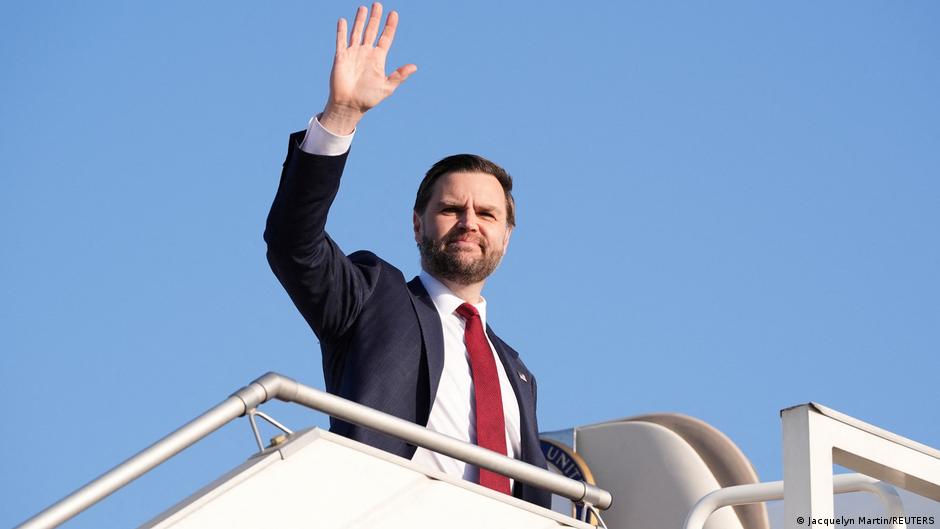
Samael.lol – Following extended discussions in Islamabad, Iran’s representatives departed Pakistan without securing a mutual agreement. US Vice President JD Vance stated that Iranian negotiators rejected the U.S. proposals, calling them “unreasonable” and “excessive.” Iranian authorities, through the Mehr News Agency (MHA), attributed the stalemate to Washington’s rigid demands, which they claimed were too demanding for Tehran to accept.
Key issues remain unresolved
The talks, which lasted over 20 hours, marked the longest session in months but failed to resolve critical disputes. A foreign ministry spokesperson told MHA that Iran refused to yield on matters concerning “the rights and interests of the Iranian people.” “We achieved alignment on several topics, but on two or three major issues, our positions diverged significantly,” the official noted, emphasizing the lack of consensus.
“We haven’t seen Tehran commit to abandoning its nuclear program yet. We hope that will change,” Vance remarked during a press briefing in Islamabad.
Despite the tense environment, Pakistan remained hopeful about future dialogue. Foreign Minister Ishaq Dar reiterated that his country would continue to mediate between the two nations, stressing the importance of maintaining the ceasefire. “It is imperative that the parties uphold their commitment to peace,” Dar added, highlighting the strategic significance of the talks.
Strait of Hormuz remains a hurdle
According to the Iranian news agency, the reopening of the Strait of Hormuz was a major point of contention, complicating negotiations. The spokesperson noted that Tehran felt no pressure to finalize a deal quickly, placing the responsibility on the U.S. to approach the issues with greater realism. No specific date or location for subsequent talks has been announced.
Meanwhile, the U.S. military began clearing mines in the Strait of Hormuz as two Navy destroyers passed through the vital shipping lane. The operation, described as a “favor to countries worldwide,” underscores the ongoing tensions. Earlier, President Donald Trump claimed the U.S. had already “won” the standoff, regardless of whether a deal was reached. “We’ve had a number of substantive discussions with the Iranians. That’s the good news,” Vance said, though he conceded the absence of a peace agreement.
Regional mediation continues
Tehran expressed confidence that its diplomatic engagement with Pakistan and other regional allies would persist. “Our dialogue will not end here,” Foreign Ministry spokesperson Esmaeil Baqaei asserted, signaling Iran’s intent to keep negotiations alive. As the talks conclude, the focus shifts to whether the U.S. can persuade Iran to make further concessions, particularly on its nuclear program.