Germany: Betting on Elections Is Illegal — But Possible
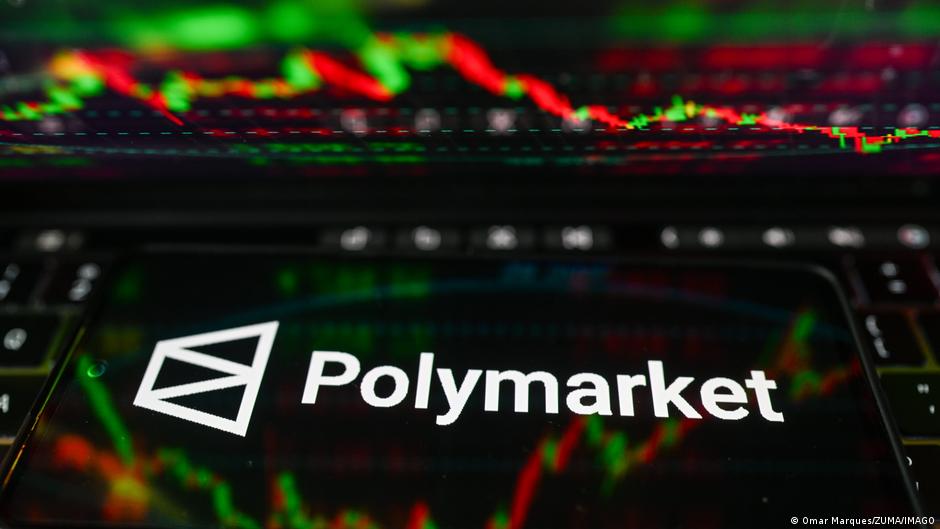
Samael.lol – Online gambling is expanding rapidly in Germany. Though platforms like Polymarket are officially prohibited from offering bets on political events, enforcement remains challenging. This has allowed the multi-billion-dollar prediction market Polymarket to operate, accepting wagers on upcoming German regional elections despite the legal ban.
Legal Framework and Enforcement Gaps
The GGL, which oversees gambling in Germany’s states, issued a statement last September cautioning against using such platforms. It defined “social betting” as activities involving public or societal events, including political elections, court rulings, and other non-sporting outcomes. The authority highlighted the vulnerability of these markets to manipulation due to their reliance on subjective or easily swayed events.
“Such formats are particularly susceptible to manipulation, as they are often based on unclear, subjective, or easily influenced events.”
Anonymity and Cryptocurrency Complicate Regulation
Despite the ban, Polymarket and similar platforms remain accessible in Germany. However, the GGL clarified that users cannot send money to these sites from a German IP address. The authority also collaborates with law enforcement to track illegal betting activities. Still, active markets on the platform include bets for three state elections in September and predictions about Friedrich Merz’s potential departure from chancellorship before 2027.
The Berlin election has drawn the most attention, with over $3 million in bets already placed on its outcome, even though the vote is months away. Experts argue that prediction markets threaten democratic processes by incentivizing decisions based on financial gain rather than public consensus.
Risks and Examples of Manipulation
Burkhard Stiller, a computer science professor and financial technologies expert at the University of Zurich, warned that these markets risk distorting political discourse. He explained that they “attempt to convert political decisions into game theory models,” potentially allowing narratives to be manipulated.
“It’s unacceptable that such a technology can in principle manipulate narratives.”
Recent cases, such as aggressive betting on Maduro’s downfall or U.S.-Israeli strikes on Iran, have raised suspicions of insider trading. The anonymity of users and reliance on cryptocurrencies make it nearly impossible to trace bets, exacerbating concerns. This week, newly created accounts on Polymarket reportedly profited from betting on a U.S.-Iran ceasefire just hours before the agreement was announced.
Global Trends and Democratic Implications
In the U.S., regulatory scrutiny of Polymarket has eased, with the Justice Department ending its investigation in 2023. This has fueled the platform’s growth, alongside Kalshi. Meanwhile, European nations like Germany have restricted access, viewing them as unlicensed gambling operations.
Alexander Bechtel, a digital economics specialist at the University of St. Gallen, noted the “bandwagon effect,” where wealthy individuals could sway prediction markets by heavily betting on specific outcomes. This could distort public debate and influence election results indirectly. In 2024, prediction markets gained notoriety for accurately forecasting Donald Trump’s presidential victory, prompting media outlets like CNN to partner with Kalshi for data insights in December.