Iran War: US Military to Blockade Iranian Ports
Samael.lol – On April 13, 2026, the Trump administration unveiled plans to enforce a maritime blockade on Iranian ports and coastal regions, a move that marks a shift from its initial strategy to close the Strait of Hormuz. This decision comes after diplomatic talks between the US and Iran failed to reach a compromise. The blockade aims to disrupt Iran’s ability to generate revenue through transit fees and oil exports.
Oil prices spiked following the announcement, with US crude rising 8% to $104 per barrel and Brent crude climbing 7% to $102. These figures contrast sharply with pre-war levels of approximately $70 per barrel. The Strait of Hormuz, a critical artery for global energy, carries about a fifth of the world’s oil, making it a strategic target for US forces.
Trump’s Remarks on the Pope
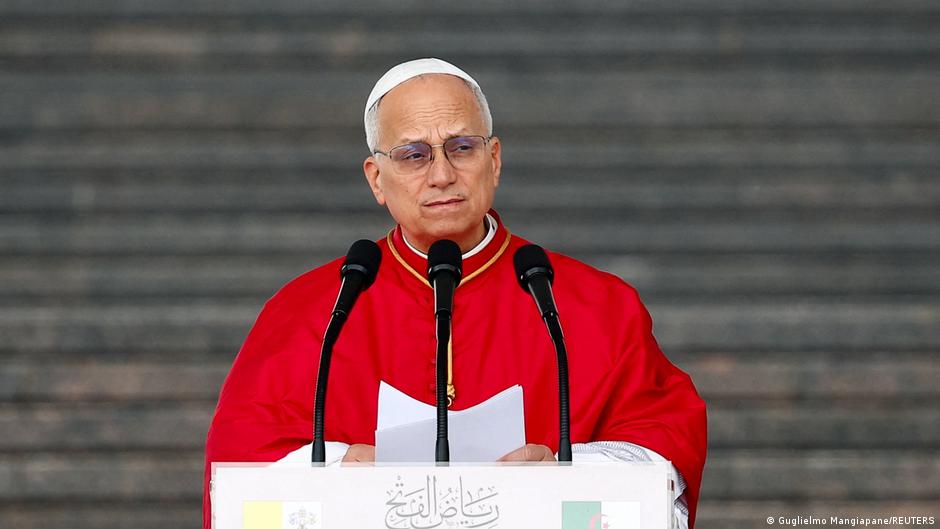
Meanwhile, President Donald Trump criticized Pope Leo XIV for his calls for peace during the conflict. In a speech at St. Peter’s Basilica, the pontiff urged leaders to halt violence, declaring,
“Enough of the idolatry of self and money! Enough of the display of power! Enough of war!”
Trump dismissed the Pope’s stance, stating,
“I’m not a big fan of Pope Leo. He’s a very liberal person, and he’s a man that doesn’t believe in stopping crime.”
The president further accused the Pope of undermining Iran’s nuclear ambitions, adding,
“I don’t want a Pope who thinks it’s OK for Iran to have a Nuclear Weapon.”
Trump emphasized that the Pope’s influence was limited, claiming,
“Pope Leo is weak on Crime, and terrible for Foreign Policy.”
He also noted that Leo’s election as Pope was partly due to his American background, suggesting,
“If I wasn’t in the White House, Leo wouldn’t be in the Vatican.”
Blockade Implementation and Strategic Adjustments
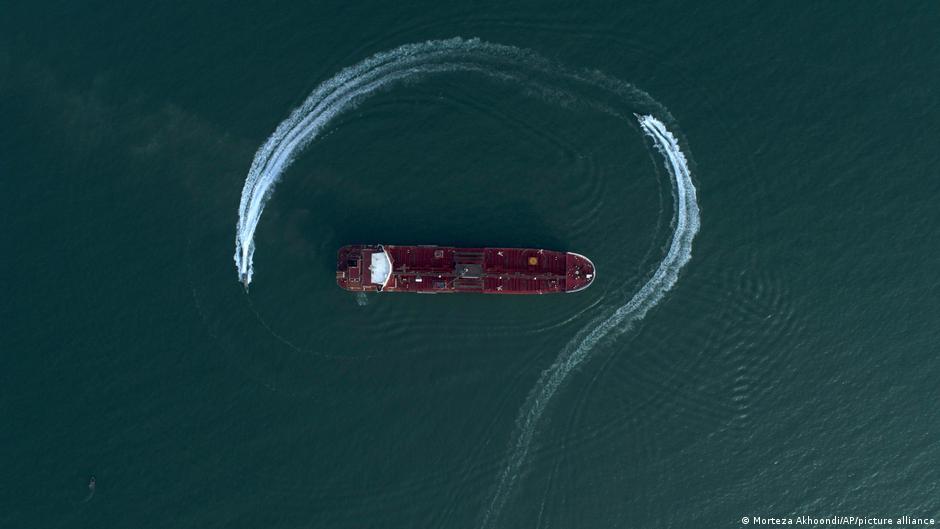
The US military confirmed the blockade, set to commence at 2 p.m. GMT on Monday. US Central Command stated the measure would apply to all vessels entering or leaving Iranian ports, including those in the Arabian Gulf and Gulf of Oman. However, ships moving between non-Iranian ports will still be allowed through the Strait of Hormuz, reducing the scope of the initial threat.
Iranian leaders have vowed to resist the blockade. The Revolutionary Guards warned they control Hormuz traffic and would “trap any challenger in a deadly vortex.” The Trump administration’s move follows failed weekend negotiations in Pakistan, where Iran accused the US of imposing “unreasonable” demands. Despite this, the US has maintained its focus on isolating Iran economically.
For further updates, follow DW’s coverage of the evolving US-Israel conflict with Iran.